
- India,
- 09-Sep-2026 06:10 PM IST



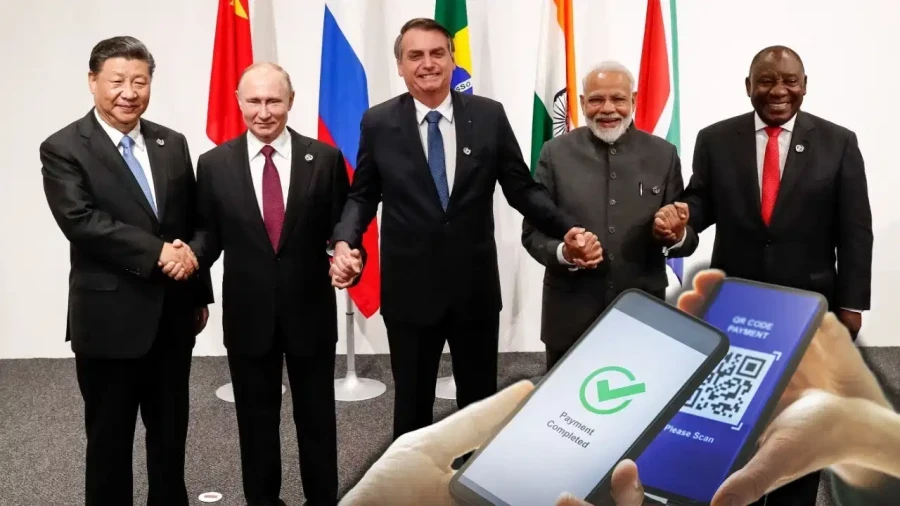
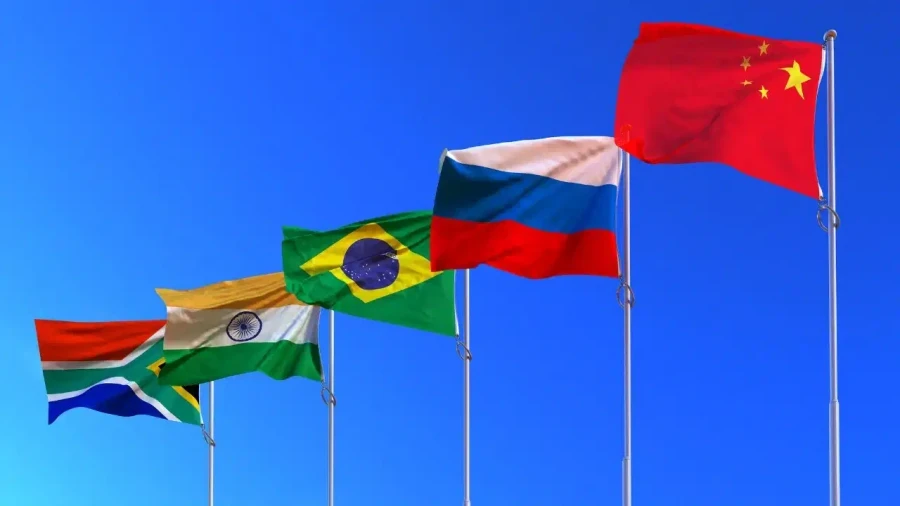
India is preparing to host the 18th BRICS Summit on September 12 and 13, 2026. This event is considered a landmark moment for New Delhi as it seeks to navigate complex geopolitical challenges, including trade imbalances and the growing influence of China within the group. Experts suggest that by leading the summit, India has a unique opportunity to transition BRICS from a mere consultative forum into a results-oriented organization. This can be achieved by prioritizing alternative financial systems and Digital Public Infrastructure (DPI), positioning the group as a balanced and fair force capable of driving real changes in global governance systems.
Strategic Autonomy and Global Balancing
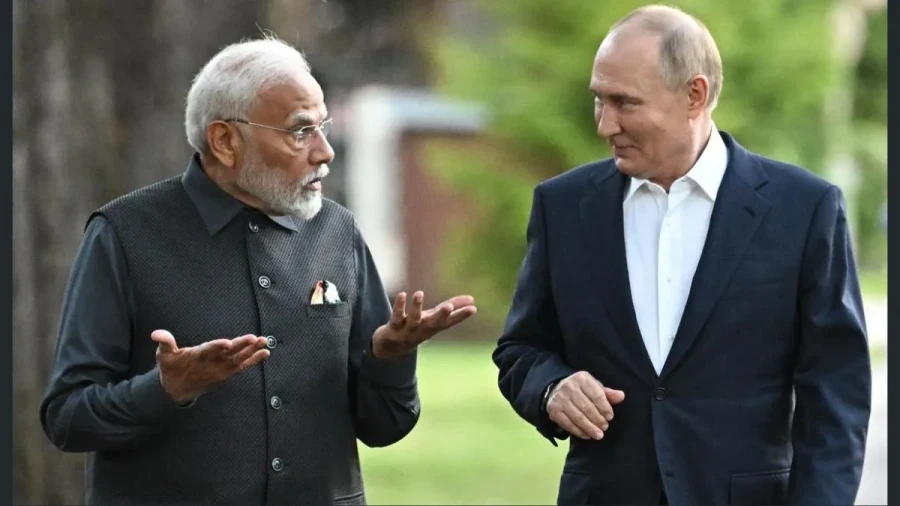
BRICS provides India with a significant platform to engage with major non-Western powers without being tied to any specific military or ideological alliance. This membership allows India to maintain its policy of strategic autonomy. New Delhi can simultaneously participate in BRICS and the Shanghai Cooperation Organization (SCO), sustain its long-standing friendship with Russia, and concurrently strengthen ties with the Quad, G20, European Union, and the United States. BRICS fits perfectly into India's foreign policy framework, where the nation prioritizes its national interests across various platforms rather than becoming a permanent member of a single bloc.
Reforming Global Institutions
The BRICS platform serves as a collective voice for India to demand reforms in international institutions. India has long advocated for greater representation in the UN Security Council, the International Monetary Fund (IMF), the World Bank, and the World Trade Organization (WTO). The 2025 Rio de Janeiro Declaration emphasized the need for comprehensive reforms in these bodies. Plus, Russia has expressed support for an expanded role for India and Brazil within the United Nations. India utilizes this collective strength to link its demand for permanent membership in the UN Security Council with the broader principle of equitable representation for Asia, Africa, and Latin America.
Leadership of the Global South
BRICS helps India emerge as a leading voice for the Global South, comprising developing and less-developed nations. Through initiatives like the Voice of Global South Summit, its G20 presidency, and its active participation in BRICS, India addresses critical issues such as food security, climate finance, debt distress, healthcare, and access to technology. This multi-faceted engagement solidifies India's position as a bridge between the developed and developing worlds.
Alternative Funding and Infrastructure Development
The New Development Bank (NDB) has become a vital source of additional funding for India's infrastructure and sustainable development projects. As of December 2024, India was the largest borrower from the NDB, accounting for approximately 26 percent of the bank's total portfolio. 09 billion dollars. By April 2025, this figure grew to approximately 10 billion dollars. This funding has been instrumental in supporting major projects such as the Chennai, Indore, and Mumbai Metro systems, the Delhi-Ghaziabad-Meerut Regional Rapid Transit System (RRTS), and the Namo Bharat high-speed trains.
Expanding Trade and Market Access
On the trade front, BRICS connects India to vast markets in Eurasia, Latin America, Africa, West Asia, and Southeast Asia, while the inclusion of countries like the UAE, Egypt, Ethiopia, Iran, and Indonesia has opened new avenues for the Indian pharmaceutical industry, digital services, automobiles, food products, engineering goods, textiles, and renewable energy equipment. In the financial year 2024-25, India's total exports reached a record 825 billion dollars. BRICS can help diversify these exports beyond traditional Western markets.
Energy and Mineral Security
The expanded BRICS is highly beneficial for India's energy and mineral security, as it includes major producers of crude oil, natural gas, coal, uranium, nickel, and iron ore. Russia, Saudi Arabia, the UAE, and Iran are significant hydrocarbon producers, while Brazil and South Africa possess abundant mineral resources. Indonesia is a major producer of nickel and coal. This provides India with opportunities for long-term supply agreements, joint exploration, and investments in sectors like green hydrogen and nuclear energy.
Technology and Financial Independence
In the technology sector, India can showcase its digital models like Aadhaar, UPI, CoWIN, and the India Stack as benchmarks for BRICS and partner nations. Also, by promoting trade settlement in local currencies, India can reduce its dependency on the US dollar. This shift helps mitigate risks associated with foreign exchange fluctuations and global sanctions, while during its 2026 presidency, India could propose an 'Implementation Index' to ensure projects have clear timelines and measurable outcomes. It can also push for strategic mineral partnerships involving Lithium, Cobalt, and Nickel, moving beyond simple imports to include joint research and technology transfer.