
- India,
- 04-Sep-2026 05:23 PM IST



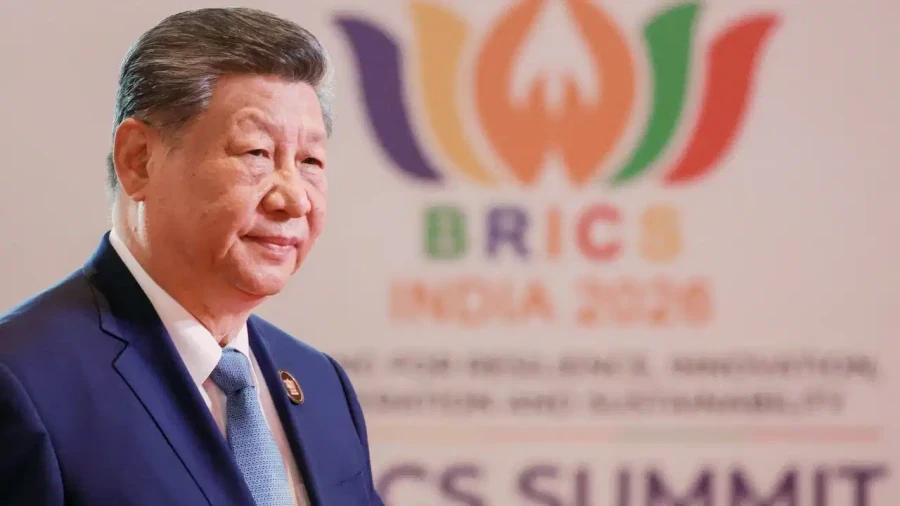
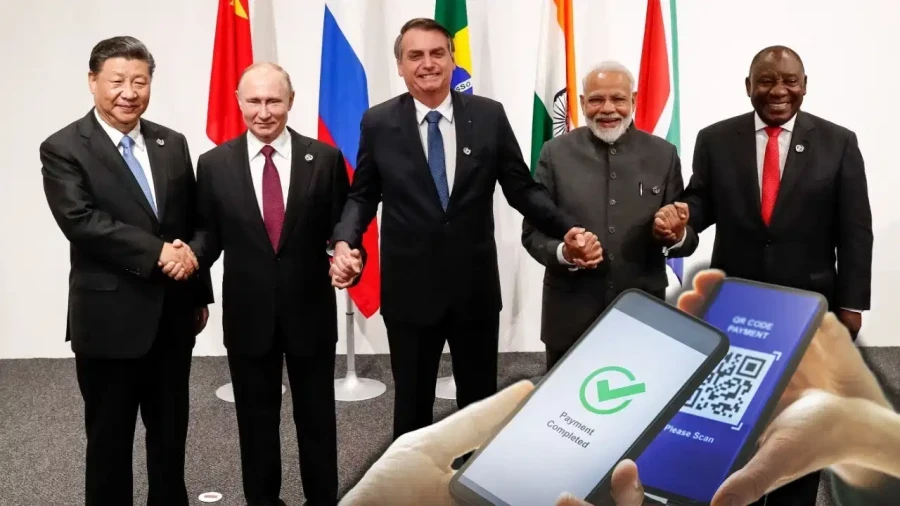
The upcoming BRICS summit scheduled to be held in Delhi is poised to be a landmark event, focusing not just on traditional trade and investment but on a transformative shift in the global financial architecture. A primary agenda for the member nations is the exploration of cross-border digital payments and the integration of Central Bank Digital Currencies (CBDC). This initiative is aimed at reducing the long-standing dependency on the US dollar and facilitating smoother transactions in local currencies among the member states. The discussions are expected to pave the way for a more decentralized and efficient international payment mechanism.
The Strategic Role of India's UPI Model
India's Unified Payments Interface (UPI) is at the heart of this proposed financial evolution, while the Indian government and financial authorities are keen to use the success of the UPI model, which has already revolutionized domestic digital payments by enabling instant transfers between bank accounts. The goal is to link the fast payment systems of various BRICS nations, creating a easy network that allows for direct settlement. By connecting these systems, the need to use the US dollar as an intermediary currency for every transaction between two BRICS nations could be Notably minimized. This move is seen as a major step toward financial sovereignty for the member countries.
RBI's Stance and CBDC Interoperability
The Reserve Bank of India (RBI) has confirmed that discussions are ongoing within the BRICS framework regarding the linking of fast payment systems and the interoperability of CBDCs. While several models are being considered, no single framework has been finalized yet. The focus remains on creating a strong digital infrastructure that can handle high-volume transactions across borders without the friction associated with traditional banking channels. The RBI's involvement highlights the technical seriousness of this project, as it seeks to ensure that any new system is secure, scalable, and compatible with existing national regulations.
Focus on Connectivity Over a New Currency
Contrary to frequent speculation about a single BRICS currency, the current focus is more practical: payment connectivity, while the immediate objective isn't to issue a new shared currency but to integrate existing national currencies and digital payment platforms. This would allow, for instance, trade between India and Russia to be settled in Rupees and Rubles, or between other BRICS nations in their respective local currencies. India has long advocated for increasing trade and payments in local currencies, and digital payment connectivity is the logical next step in this broader strategy. This approach prioritizes building the necessary digital infrastructure before considering more complex monetary unions.
Opportunities for Indian Businesses
The establishment of such a payment network presents a significant opportunity for Indian businesses and exporters, while companies trading with BRICS nations could benefit from faster and cheaper payment processes, as the elimination of intermediary currencies reduces transaction costs and exchange rate risks. On top of that, this initiative aligns with India's efforts to internationalize the Rupee. By showcasing the strength of its Digital Public Infrastructure (DPI) through the UPI model, India has the chance to position itself as a leader in global financial technology, offering a proven template for other emerging economies to follow.
Navigating Challenges and Geopolitical Realities
Despite the potential, building a unified BRICS payment network is fraught with challenges. The member nations have vastly different banking systems, currency regulations, and digital infrastructures. Issues such as currency risk, liquidity, cybersecurity, data protection, and the prevention of financial crimes must be addressed through a shared regulatory framework, while the role of China is particularly significant, given its own advanced digital payment systems and financial infrastructure. Ensuring interoperability while addressing concerns related to data security and geopolitical influence will be crucial. That's why, rather than viewing this as an immediate plan to eliminate the dollar, it's more accurate to see it as a pragmatic effort to create alternative payment routes that reduce mandatory dependency on any single global currency.