
- India,
- 04-Sep-2026 05:29 PM IST



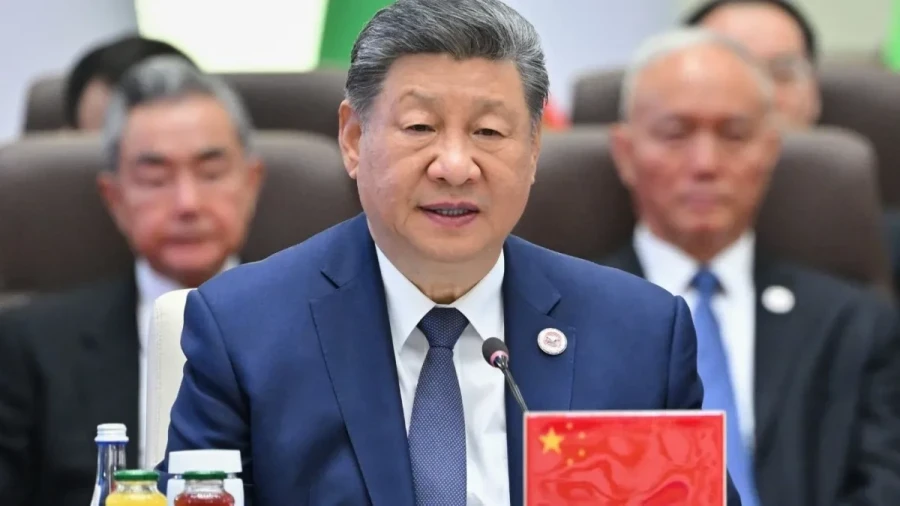
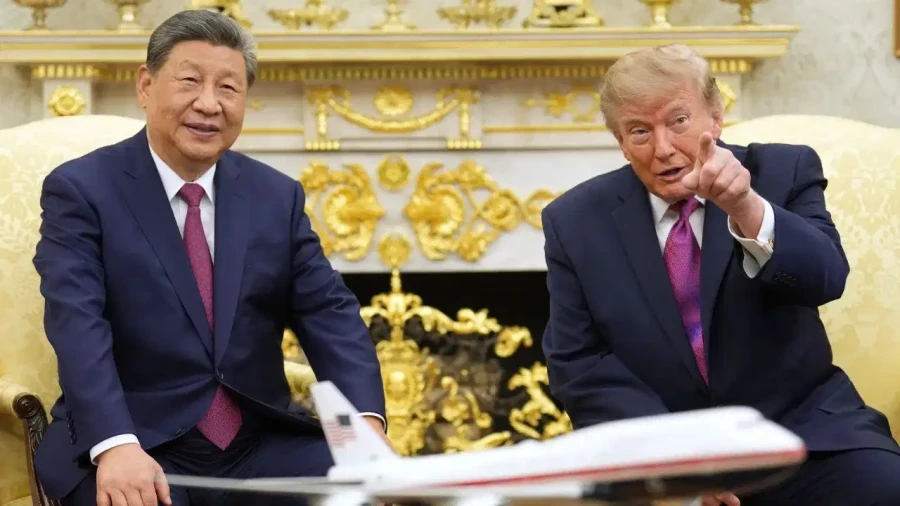
A significant claim regarding the health of Chinese President Xi Jinping has emerged, suggesting that the top leader of the world's second-largest economy may have suffered at least two heart attacks. This revelation was made by Lobsang Sangay, the former Sikyong (political leader) of the Central Tibetan Administration. The claims have sparked intense speculation regarding the internal stability of the Chinese Communist Party (CCP) and the future of its leadership. According to Sangay, the information regarding Xi Jinping's health was shared with him by a former senior Chinese official during a conversation that lasted over an hour. This development comes at a time when the transparency of the Chinese leadership is under constant scrutiny by international observers.
The ANI Podcast Revelation
The claims were made during an ANI podcast with Smita Prakash on 3 September. During the interview, Lobsang Sangay detailed his conversation with the former Chinese official, who allegedly confirmed that Xi Jinping had suffered at least two, and possibly three, heart attacks. Sangay emphasized that the Chinese President has been under immense pressure, which could be a contributing factor to his deteriorating health and his decision-making processes. While there is no independent medical evidence or official confirmation from Beijing to support these claims, the stature of the person making the allegations has brought the issue into the global spotlight. Sangay also discussed the tightening grip of the CCP under Xi and the recent removal of several high-ranking military officials, suggesting a link between these internal purges and the President's health.
Observations from the Bishkek Visit
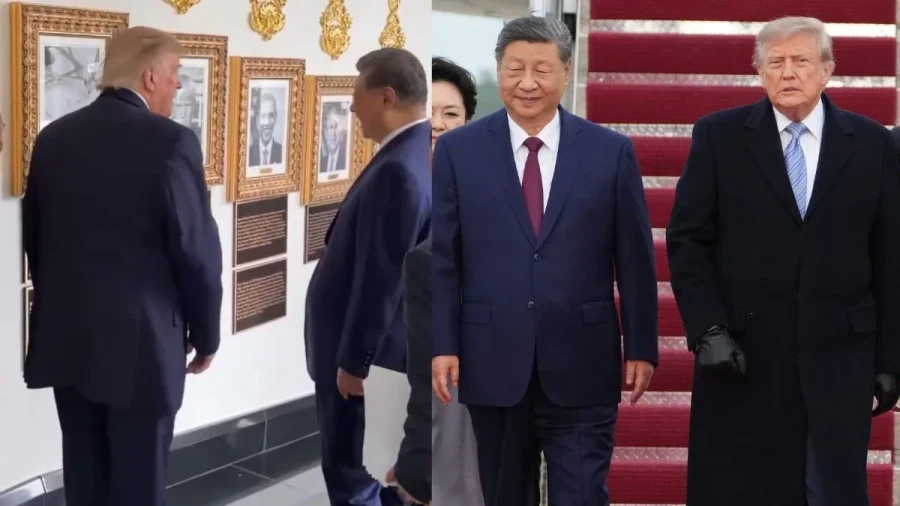
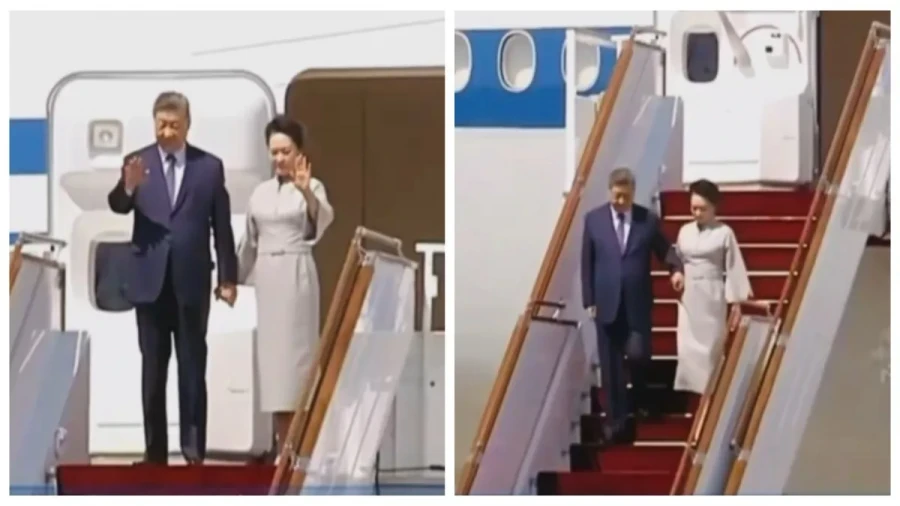
Adding weight to the rumors of Xi Jinping's failing health is a report from Wanjun Xie, the Chairman of the China Democracy Party (CDP). In a social media post, Xie noted that when Xi Jinping arrived in Bishkek on 30 August via a special aircraft, his physical appearance was concerning. According to the post, the Chinese President appeared Notably swollen and pale as he disembarked from the plane. Observers noted a lack of physical agility and a staggering gait. The report further claimed that Xi had visible difficulty navigating the stairs of the aircraft and required the physical support of his wife, Peng Liyuan. These observations have led to indirect speculation that recent rumors of a stroke or a sudden hospitalization might hold some truth, although official channels remain silent.
The Mental Fog and Military Purges
Lobsang Sangay also touched upon the psychological state of the Chinese leader, claiming that Xi Jinping has been experiencing what he described as mental fog. This term refers to a state of mental confusion or a lack of clarity in thought. Sangay linked this condition to the recent and abrupt removal of senior military leaders within the People's Liberation Army. He suggested that the President's health issues might be affecting his ability to govern effectively and could be leading to erratic decisions within the military hierarchy. However, it's important to note that these claims are based on anecdotal evidence from an anonymous source and have not been verified by any medical records or independent journalistic investigations.
The Emperor's Dilemma and Succession Crisis
A major portion of Sangay's interview focused on the looming succession crisis in China, a situation he termed the Emperor's dilemma, while this concept describes a historical and political paradox faced by powerful rulers. If a leader formally appoints a successor, they risk creating a rival power center that could eventually challenge their own authority, while conversely, if no successor is named, it creates a vacuum of uncertainty and potential power struggles once the leader eventually steps down or becomes incapacitated. Sangay argued that Xi Jinping is currently caught in this dilemma, which explains his hesitation to publicly designate a successor. This lack of a clear transition plan adds another layer of complexity to the rumors surrounding his health, as any sudden change in leadership could lead to significant instability within the CCP.
Who is Lobsang Sangay?
Lobsang Sangay is a prominent figure in the Tibetan diaspora and international politics. He served as the elected Sikyong (political head) of the Central Tibetan Administration from 2011 to 2021. The Central Tibetan Administration, based in Dharamshala, India, represents the interests of Tibetans living in exile. Sangay is a highly educated legal scholar and currently serves as a Senior Visiting Fellow at the East Asian Legal Studies program at Harvard Law School. Given his long-standing criticism of China's policies toward Tibet, his comments are viewed through a political lens. However, his background and connections within the diplomatic and academic communities ensure that his claims are analyzed seriously by those monitoring Chinese internal affairs.