
- India,
- 09-Sep-2026 12:04 PM IST



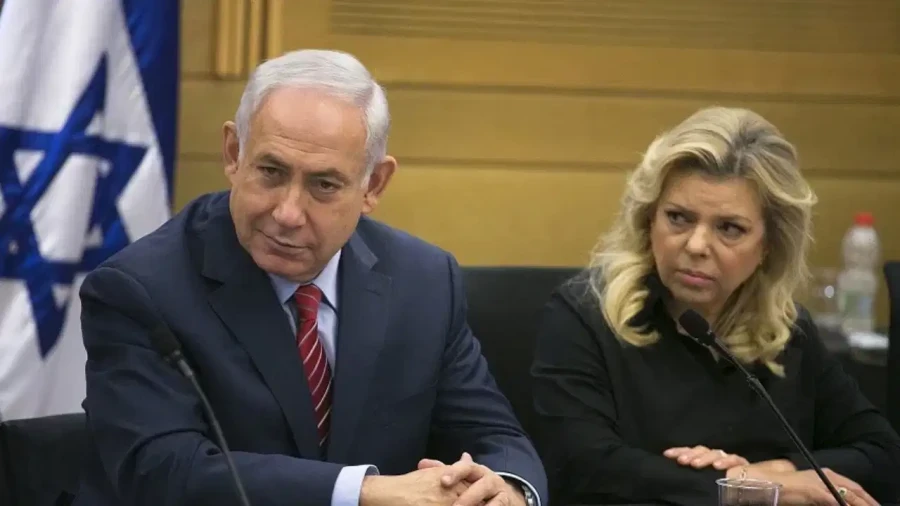
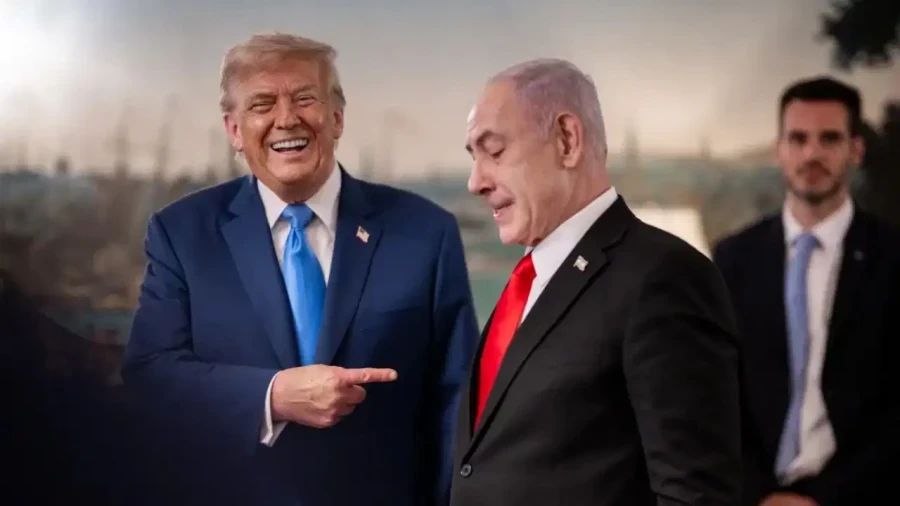
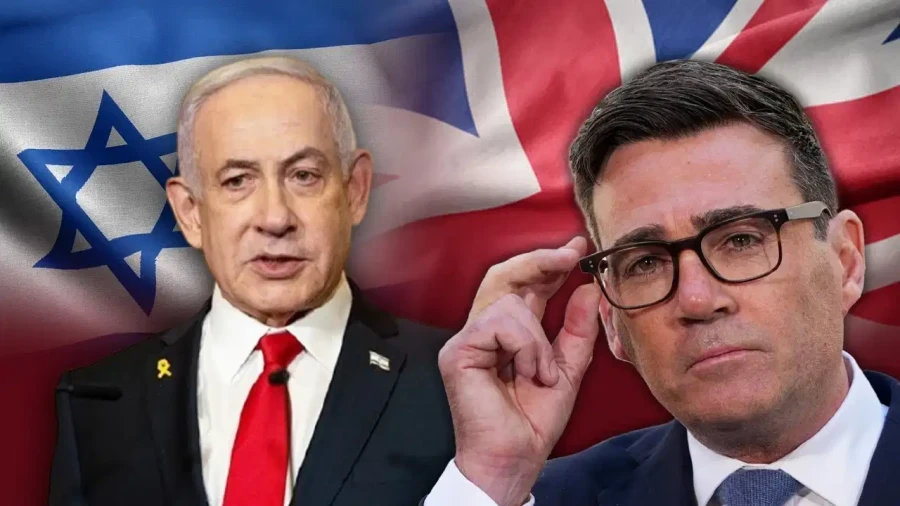
The diplomatic relations between Israel and the United Kingdom have reached a critical flashpoint following a series of retaliatory measures announced by the Israeli government. Prime Minister Benjamin Netanyahu, in coordination with Foreign Minister Gideon Sa’ar, has authorized four significant counter-actions in response to recent British sanctions targeting Israeli settlements in the West Bank. This escalation marks one of the most severe diplomatic rifts between the two nations in recent years, as Israel accuses the British government of interfering in its internal affairs and sovereign decisions.
The Four Major Retaliatory Steps by Israel
Foreign Minister Gideon Sa’ar officially announced that Israel will implement four specific measures to counter the British government's policies. The first and perhaps most significant decision is the closure of the British Consulate in Jerusalem. This move directly challenges the British diplomatic presence and its historical role in the region. By shutting down the consulate, Israel is sending a clear message regarding its stance on British involvement in local administrative and political matters.
The second measure involves the removal of British representatives from the International Gaza Support Center located in Kiryat Gat. This center plays a role in coordinating support and logistics, and the exclusion of British officials signifies a reduction in bilateral cooperation on humanitarian and regional stability issues. The third decision targets the security apparatus, as Israel has decided to halt the British training provided to the Palestinian Authority security forces. This training, which was conducted by a British support team in Ramallah, will no longer be permitted to continue under the new Israeli directives.
Entry Ban on British Representatives
The fourth and highly controversial decision is the imposition of an entry ban on 12 British elected representatives and several other British citizens. Israel has justified this move by alleging that these individuals are involved in anti-Semitic or anti-Israel activities, while On top of that, the Israeli government claims that some of these individuals have gone as far as to deny the very existence of the State of Israel. This No Entry policy serves as a direct administrative sanction against those whom Israel perceives as hostile actors within the British political landscape.
Accusations of Internal Interference
Foreign Minister Gideon Sa’ar has been vocal about the motivations behind these decisions. He accused the British government of meddling in Israel's internal matters and its democratic electoral processes. According to Sa’ar, the new sanctions imposed by the UK are politically motivated and represent a unilateral stance against Israel. While he clarified that Israel doesn't have a conflict with the British people and maintains many friends within the UK, he specifically pointed towards the current Labour government as the source of the deteriorating relationship. He suggested that the Labour administration is consistently taking steps that undermine Israeli interests.
The Israeli Ministry of Foreign Affairs also addressed the specific criticisms regarding the E1 area and West Bank settlements. Tel Aviv has rejected the British claims that the development of the E1 area would disrupt Palestinian territorial connectivity, labeling such assertions as baseless. Sa’ar noted that the decisions regarding the development of E1 are more than 1 year old and shouldn't be used as a pretext for new sanctions.
Context of the British Sanctions
The Israeli retaliation comes on the heels of the British government's announcement of new restrictions on Israeli settlements in the West Bank. The UK had recently moved to ban imports of goods from occupied Palestinian territories and imposed various other restrictions, while during a session in the House of Commons, British Foreign Secretary Ed Miliband, accompanied by Prime Minister Andy Burnham, condemned what they described as ethnic cleansing in the West Bank settlements. These strong words and the subsequent trade restrictions, including the suspension of certain arms export licenses and the halting of Free Trade Agreement negotiations, have deeply angered the Israeli leadership.
Israel has also criticized the UK's decision to limit military and security cooperation. In response, Gideon Sa’ar issued a warning that Israel might take similar retaliatory steps against other countries that choose to follow the UK's lead. He stated that any government taking action against Israel would face reciprocal measures. This indicates that Israel is prepared to use diplomatic and administrative sanctions as a primary tool of foreign policy to protect its interests against international pressure.