
- India,
- 10-Sep-2026 03:01 PM IST



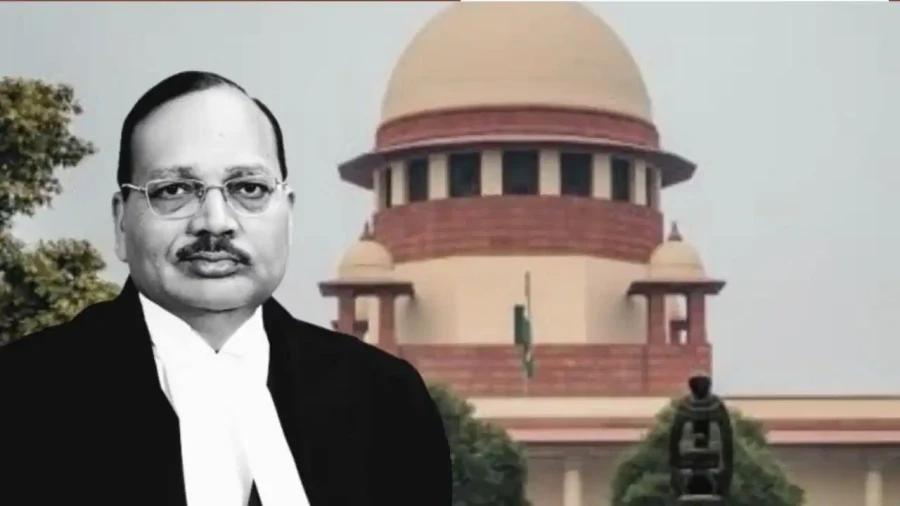
The Supreme Court of India has taken a very serious note of the allegations involving the intimidation and harassment of a 14 year old girl who was reportedly part of the CJP protest. The apex court emphasized that the claims of threats and the reported vandalism at her residence can't be treated lightly. During the proceedings, the court directed Solicitor General Tushar Mehta to personally look into the matter to ensure that action is taken on the FIR filed by the girl and that her safety is guaranteed. The bench, led by Justice Surya Kant, has formally sought detailed reports from both the Delhi and Uttar Pradesh governments regarding the actions taken in this specific case.
Judicial Concern Over Intimidation
The Supreme Court expressed its firm stance that no individual or authority should be allowed to intimidate a victim or their family to prevent them from pursuing criminal proceedings. The court observed that the allegations of a 14 year old girl being threatened are grave and require immediate attention. The bench highlighted that the legal system must protect those who seek justice, especially minors, and any attempt to suppress their voice through fear or force is unacceptable, while the court's intervention came after it was brought to its notice that while the girl faced a counter FIR, the individuals accused of attacking and threatening her were still roaming free without any legal consequences.
Details of the Legal Proceedings
The matter was presented before a bench headed by Justice Surya Kant, where the lawyer representing the girl informed the court about the distressing situation. It was revealed that a counter FIR had been registered against the 14 year old minor, which the counsel described as a retaliatory measure. The lawyer further pointed out that despite the girl's complaints, the perpetrators remained at large. The court was informed that the Parliament Street Police Station has now initiated action based on the girl's complaint. The Supreme Court has specifically asked for reports from the UP and Delhi authorities concerning the status of the FIR, the security measures provided to the girl, and the progress of the investigation against the alleged attackers.
Solicitor General and Police Accountability
Solicitor General Tushar Mehta informed the court that he became aware of the issue through the child's social media posts. During the hearing, the petitioner's counsel mentioned the existence of video evidence showing 4 policemen standing with the miscreants who were allegedly attacking the protesters. The counsel argued that no action had been taken against these officers or the attackers. In response, Justice Joymalya Bagchi directed the Solicitor General to ensure immediate action on the FIR. The court ordered that the Uttar Pradesh Police must provide adequate security to the victim and her family, while the primary investigation should be conducted by the Parliament Street Police Station.
Constitutional Questions and Executive Authority
The Supreme Court also issued a notice on a petition raising constitutional questions regarding the closure of 17 Delhi Metro stations during the CJP protests. Justice Joymalya Bagchi made significant observations regarding the balance between executive power and judicial oversight. He noted that while courts generally respect the decisions made by the executive in matters of law and order, judicial intervention becomes necessary when such powers are exercised in an excessive or disproportionate manner, while the judge remarked that in many cases, Standard Operating Procedures (SOPs) can be a facade, and the court must examine how these powers are actually being utilized on the ground. The bench emphasized that the court will intervene if the actions taken by the authorities are found to be unbalanced or beyond the scope of necessity.