
- India,
- 13-Jul-2026 08:43 PM IST



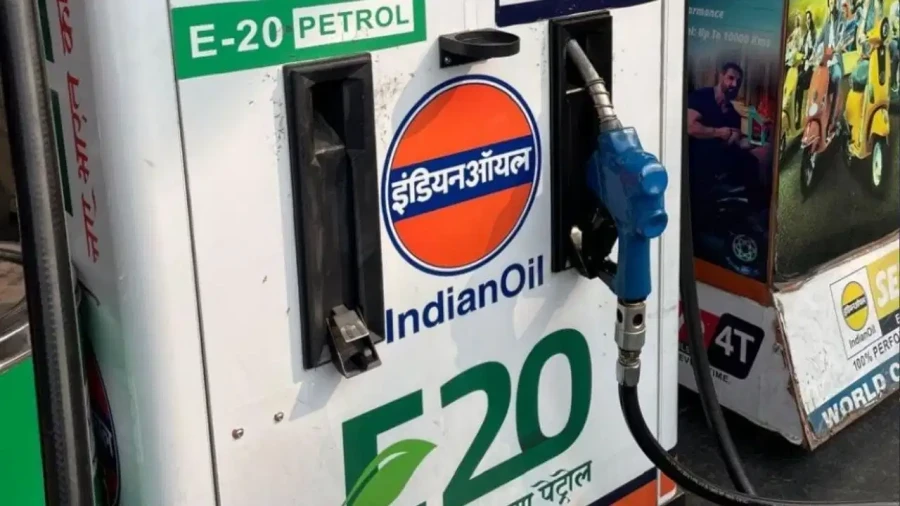
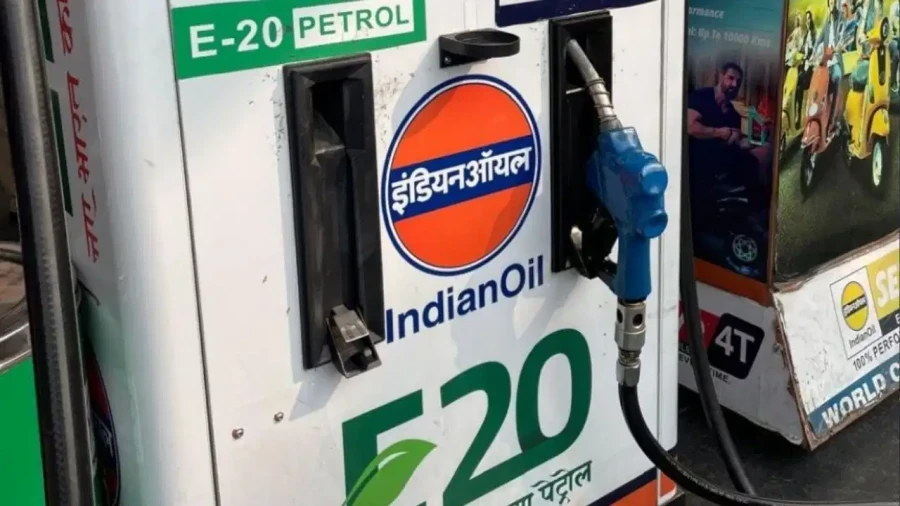
The debate over ethanol blending in petrol is intensifying in India, particularly regarding the mandatory rollout of E-20 fuel. While vehicle owners express significant concerns over mileage, engine longevity, and rising maintenance costs, Thailand has already traversed the path to E-85 and is now pivoting back toward E-20. Indian consumers are increasingly frustrated as pure petrol has largely vanished from fuel stations, replaced by E-20 without any corresponding price benefits for the end-user. This shift has raised questions about the technical readiness of the Indian automotive fleet and the economic transparency of the transition.
Understanding E-20 and E-85 Fuels
E-20 refers to a blend of 20 percent ethanol and 80 percent conventional petrol. In contrast, E-85 is a high-ethanol blend containing 85 percent ethanol and only about 15 percent petrol. Ethanol is an alcohol-based fuel derived from organic sources such as sugarcane, maize, broken rice, and agricultural residues. In India, the primary sources are sugarcane molasses and grain-based production. While E-20 can be used in many modern engines with minor adjustments, E-85 requires specialized Flex-Fuel Vehicles (FFVs) to operate safely and efficiently.
Why India Introduced E-20
India relies heavily on crude oil imports to meet its energy needs, while when international oil prices rise, the country's import bill surges, putting immense pressure on foreign exchange reserves. By blending ethanol, the government aims to reduce petrol consumption and decrease dependence on foreign oil. Another core objective is to support the rural economy. Ethanol production from sugarcane and grains provides farmers and sugar mills with an additional revenue stream. Plus, ethanol is considered a cleaner fuel alternative as it can reduce certain pollutant emissions, although its total environmental impact depends on the crop and production process used.
The Technology of Flex-Fuel Vehicles
Flex-Fuel Vehicles are specifically engineered to run on petrol or high-ethanol blends like E-85. These vehicles are equipped with specialized sensors that detect the fuel quality and the exact ethanol-to-petrol ratio. The vehicle's electronic control unit (ECU) then automatically adjusts engine settings, including fuel injection volume, air-fuel ratio, and ignition timing. Crucially, the fuel systems in FFVs use materials that are resistant to the corrosive effects of ethanol. Using E-85 in a standard petrol engine can lead to starting issues, poor engine performance, and severe damage to the fuel system components.
Thailand's Journey with E-85
Thailand initially promoted E-85 to reduce oil imports and support local farmers growing sugarcane and cassava. To encourage adoption, E-85 was priced Notably lower than standard petrol. However, Thailand is now shifting its focus back to E-20. The primary reason is that E-85 demand remained limited to a small number of Flex-Fuel Vehicles. Maintaining a separate production, storage, and distribution infrastructure for E-85 became economically and practically challenging. E-20, being compatible with a much larger portion of the existing vehicle fleet, offers a more viable path for reducing imports and supporting the domestic ethanol industry. Reports from Nation Thailand and Bangkok Post indicate that limited demand was the driving factor behind phasing out E-85.
Consumer Concerns in India
The biggest concern for Indian motorists is mileage. Ethanol has a lower energy density than petrol, meaning E-20 may provide fewer kilometers per liter. While the exact drop in mileage varies based on engine type and driving conditions, consumers view this as a direct financial burden. There are also fears regarding older vehicles, while ethanol is hygroscopic, meaning it attracts moisture, which can lead to the corrosion of rubber, plastic, and metal parts in fuel systems not designed for high ethanol content. Owners of older cars are particularly worried about the long-term integrity of fuel pipes, seals, and gaskets.
Lessons and Timelines
Thailand's ethanol journey began in the 1990s, with E-10 appearing in 2007 and E-85 in 2008. India's journey started with a pilot in 2001, followed by a formal 5 percent blending program in 2003. By June 2022, India achieved a 10 percent average blend (E-10), and the phased rollout of E-20 began in February 2023. The goal is to make E-20 the primary fuel by 2025. For India to succeed, it must ensure transparency, provide clear guidance for older vehicle owners, and balance the interests of farmers, consumers, and the environment. Success depends on technical readiness and ensuring that the economic benefits of ethanol reach the end consumer.