
- India,
- 13-Jul-2026 08:46 PM IST



The pace of the monsoon has slowed down Notably across the country, leading to growing concerns regarding the current agricultural season. The India Meteorological Department (IMD) has released a forecast indicating heavy rainfall in several states on Tuesday; however, the central government remains worried about the weakening monsoon and the subsequent decline in crop sowing. Official reports suggest that 372 districts in India are currently witnessing a monsoon that's weaker than normal, with 68 districts identified as the most severely impacted by this dry spell. Experts suggest that widespread rainfall isn't expected until July 20, with only the foothills and surrounding areas likely to receive light to moderate showers in the interim. Meteorologists anticipate that the monsoon may regain its momentum after July 20.
Regional Rainfall Alerts and Weather Forecast
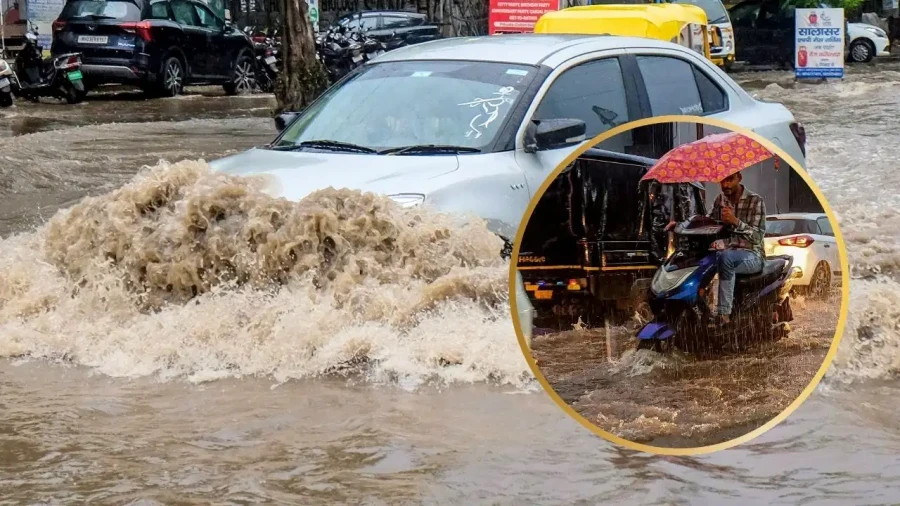
According to the IMD, heavy rainfall is expected on Tuesday in several regions, including Arunachal Pradesh, Assam, Meghalaya, Bihar, Chhattisgarh, Uttar Pradesh, Himachal Pradesh, Jharkhand, Nagaland, Manipur, Mizoram, Tripura, Odisha, Uttarakhand, West Bengal, and Sikkim. In addition to these heavy rain alerts, weather conditions are expected to remain volatile in East Madhya Pradesh, Vidarbha, Jammu and Kashmir, Ladakh, and the Andaman and Nicobar Islands. These areas may experience thunderstorms, lightning, and strong winds. Parts of Gangetic West Bengal, Odisha, and Western Madhya Pradesh are also likely to witness similar conditions with thunder and lightning accompanied by gusty winds.
Weather Outlook for Delhi-NCR and North India
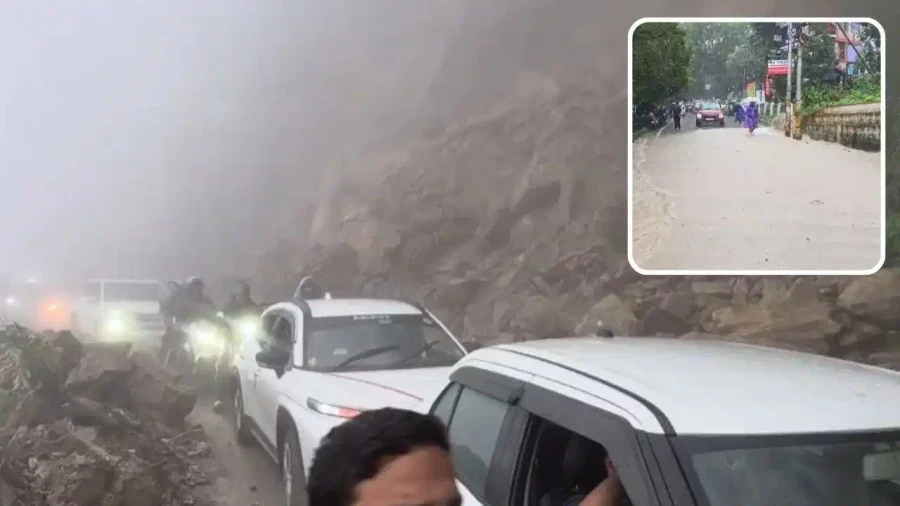
In the Delhi-NCR region, there is currently no warning for heavy rainfall. The weather department has indicated that there might be occasional light rain or drizzling over the next few days, which could provide some relief from the prevailing humidity. However, no significant drop in temperature is expected. In North India, the focus of the monsoon will remain on the Himalayan states, while uttarakhand and Himachal Pradesh are expected to see active monsoon conditions with heavy rainfall in many locations. A heavy rain alert has also been issued for Eastern Uttar Pradesh, while conversely, Punjab, Haryana, Delhi, Western Uttar Pradesh, and Rajasthan are likely to see only scattered rainfall.
Impact on Rajasthan and Eastern India
The monsoon is expected to remain weak in Rajasthan for the next week. Most parts of the state will experience dry weather, while Western Rajasthan might face strong dusty winds. Although some areas may receive light rain, widespread precipitation isn't on the horizon for the state. In Eastern India, Bihar is expected to receive heavy rainfall, while Jharkhand, Odisha, and various parts of West Bengal are also projected to have good rainfall activity. Sub-Himalayan West Bengal and Sikkim may experience heavy to very heavy rainfall in the coming days. The northeastern states, including Arunachal Pradesh, Assam, Meghalaya, Nagaland, Manipur, Mizoram, and Tripura, are likely to continue seeing persistent rain, and the weather department has advised residents in these areas to remain cautious.
Agricultural Concerns and Future Outlook
The sluggish progress of the monsoon is having a direct impact on farming activities. Government statistics reveal that sowing has been completed on approximately 1 crore hectares less land compared to the same period last year. This has prompted the central government to keep a close watch on the situation. Officials believe that if the monsoon becomes active in the second half of July, the agricultural situation could improve. Due to the current weather patterns, the sowing season is expected to extend until mid-August, whereas it usually concludes by the end of July. Meteorologists believe that while the monsoon will remain slow until July 20, new weather activities in the Bay of Bengal are expected to form after that date, which could reactivate the monsoon and help bridge the rainfall deficit while boosting Kharif crop sowing.