
- India,
- 12-Jul-2026 09:07 AM IST



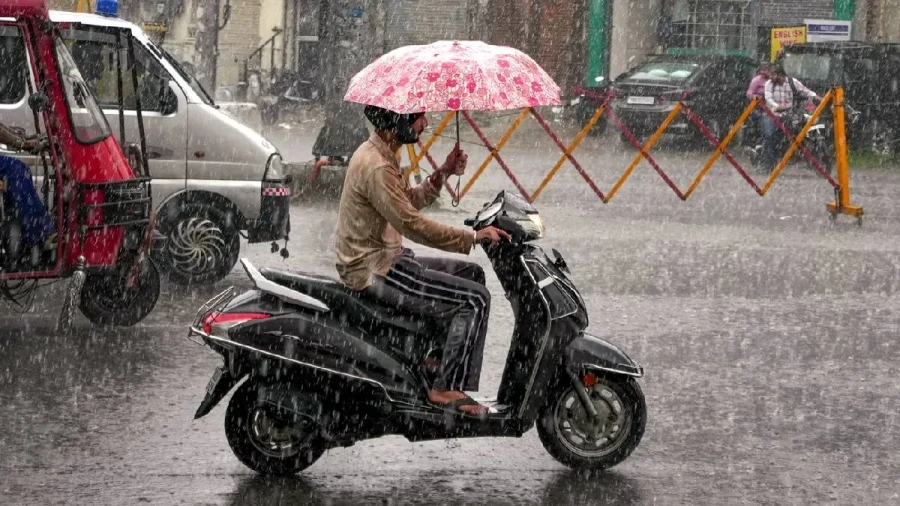
The India Meteorological Department (IMD) has issued a significant weather warning for July 12, placing 15 states across the country on high alert for heavy rainfall, lightning, and thunderstorms. As the monsoon remains highly active across various regions, the weather office has predicted intense spells that could impact daily life and transportation. While some areas are expected to witness torrential downpours, others like the national capital, Delhi, are likely to experience a mix of cloudy skies and sporadic light showers.
Widespread Monsoon Activity Across 15 States
The monsoon has gained momentum, leading to a halt in the pace of life in several regions, including Mumbai. For July 12, the IMD has identified 15 states where the weather conditions are expected to be severe. These states include Uttar Pradesh, Delhi, Bihar, Haryana, Punjab, Himachal Pradesh, Uttarakhand, Jammu and Kashmir, Jharkhand, West Bengal, Odisha, Madhya Pradesh, Chhattisgarh, Assam, and Tripura. Residents in these areas have been advised to stay cautious as the alert includes warnings for heavy rain, frequent lightning strikes, and strong gusty winds.
Weather Outlook for Delhi-NCR
In the Delhi-National Capital Region (NCR), residents are expected to encounter a dual weather pattern over the coming days, while between July 12 and July 14, the sky is predicted to remain partially cloudy. While there is a possibility of light or scattered rainfall in some pockets, the IMD has not issued any warning for heavy downpours in the capital. Consequently, this lack of intense rain might lead to a rise in temperatures, resulting in humid and uncomfortable weather conditions for the people of Delhi and its neighboring areas.
Severe Storm Warnings for Uttar Pradesh and Bihar
The situation in Uttar Pradesh appears more intense, with several districts placed under a high alert for stormy weather, while cities such as Lucknow, Kanpur, Meerut, Agra, Gorakhpur, and Mirzapur are expected to witness heavy rainfall today. Accompanying the rain, stormy winds reaching speeds of up to 70 km/h are likely to sweep through these regions, posing a potential risk to temporary structures and trees.
Similarly, in Bihar, the weather department has sounded an alarm for heavy rainfall in the state capital, Patna, as well as in districts like Khagaria, Kishanganj, Purnia, Muzaffarpur, and Darbhanga. These areas are expected to experience significant precipitation along with winds blowing at a speed of 60 km/h. The combination of rain and wind is expected to keep the local authorities on standby to manage any rain-related exigencies.
High Risk in Uttarakhand and Himachal Pradesh
The Himalayan states of Uttarakhand and Himachal Pradesh are under a strict watch due to the risk of natural calamities triggered by the monsoon. In Uttarakhand, districts including Dehradun, Nainital, and Chamoli are forecasted to receive heavy rainfall and experience thunderstorms between July 12 and July 14. The weather department has specifically warned of the possibility of landslides and flash floods, which are common in these terrains during such intense weather events.
In Himachal Pradesh, popular tourist destinations and local hubs like Kullu, Shimla, and Manali are also bracing for heavy rain. The forecast indicates that winds could reach speeds of 60 km/h in these hilly areas, further increasing the risk of road blockages and disruptions in essential services.
Extended Rain Forecast for West Bengal
West Bengal is set to witness a prolonged spell of monsoon activity. According to the weather department, heavy rain is expected to continue across various districts and the city of Kolkata for the next 4 to 5 days. The active low-pressure system and favorable monsoon winds are the primary drivers behind this forecast. An Orange Alert has been issued for districts such as Purba Bardhaman, Nadia, and Bankura, indicating a high probability of heavy rainfall.
Plus, other districts including Birbhum, Hooghly, North 24 Parganas, and Howrah are also expected to receive heavy showers at isolated places. The persistent rainfall is likely to maintain the water levels in the region and could lead to localized waterlogging in low-lying urban areas.