

- India,
- 06-Sep-2025 04:40 PM IST


India-US Tariff War: The Indian government has recently made major changes in GST (Goods and Services Tax) to provide relief to the common people. GST has been completely abolished on many products, while tax rates have been reduced on many other products. The general public will get direct benefit from this, as it is expected to reduce the prices of everyday items. This move will not only boost domestic consumption, but will also reduce the economic burden for consumers.
Impact of Trump's tariff
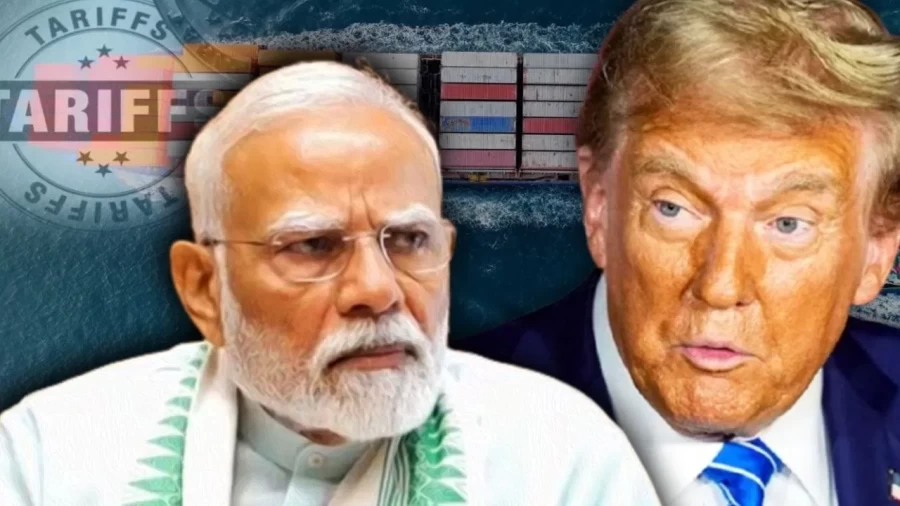
The 50% tariff imposed by US President Donald Trump on India's exports has created challenges in many sectors. After the initial 25% tariff in July, an additional 25% tariff was imposed on oil purchases from Russia. This has had a profound impact on labor-intensive sectors such as textiles, jewelry and jewelry, leather and footwear, agriculture, chemicals, engineering products, and marine exports. Exports have completely shrunk in many sectors, while some places have seen a sharp decline in demand. This is causing problems like cash crunch, order cancellations, and supply delays for exporters.
Government relief schemes
The Indian government is actively working to provide relief to exporters affected by Trump's tariffs. According to government sources, a special relief package may be announced soon, which will include the following measures:
Solution to liquidity crisis: Emergency credit guarantee schemes, such as the Emergency Credit Line Guarantee Scheme (ECLGS) implemented during the COVID-era, may be restarted to solve the liquidity problems of small and medium exporters (MSMEs). This will provide loans without collateral, thereby protecting industries from bankruptcy.
Reducing pressure on working capital: Exporters need working capital to maintain their production. The government is considering steps such as extending loan repayment deadlines and relief in interest rates.
Protection of jobs: Tariffs have put millions of jobs at risk, especially in sectors such as textiles and marine exports. The government aims to maintain employment in these sectors.
Exploring new markets: The government is encouraging exporters to promote their products in new global markets, such as Europe, Latin America, the Middle East, and China. For this, special outreach programs have been launched in more than 40 countries.
Export Promotion Mission
The government has planned an Export Promotion Mission (EPM) of ₹25,000 crore for 2025-2031. It aims to reduce the impact of tariffs and increase India's competitiveness in global trade. The mission includes investment of ₹4,000 crore for e-commerce export hubs, flexibility in Special Economic Zone (SEZ) policies, and quality compliance.
Covid-style relief package
The government had implemented effective relief schemes to save the MSME sector during the Covid pandemic. On the same lines, an incentive package is now being prepared for exporters. This includes special credit facilities, easing GST refunds, and improving logistics.
Government's firm stand
Commerce Minister Piyush Goyal has made it clear that India will not bow down to any external pressure. The government's focus is on providing relief to exporters as well as long-term strategies so that Indian industry can become self-reliant and globally competitive. The Commerce Ministry is holding extensive discussions with exporters to explore new markets and strengthen existing trade agreements.
