

- India,
- 23-Feb-2026 06:21 PM IST


A landmark ruling by the US Supreme Court has dramatically reshaped the global trade landscape. The court struck down several major tariffs previously imposed by President Donald Trump during the global trade war, labeling them legally unsustainable, while while this was initially perceived as a significant legal setback for the administration, President Trump responded within hours by announcing a new trade directive. He has ordered a flat 15 percent global tariff on imports from all countries. This decision has sent shockwaves through international markets, creating a scenario where some nations stand to gain while others face severe economic repercussions.
Improved Trade Conditions for Indian Exporters
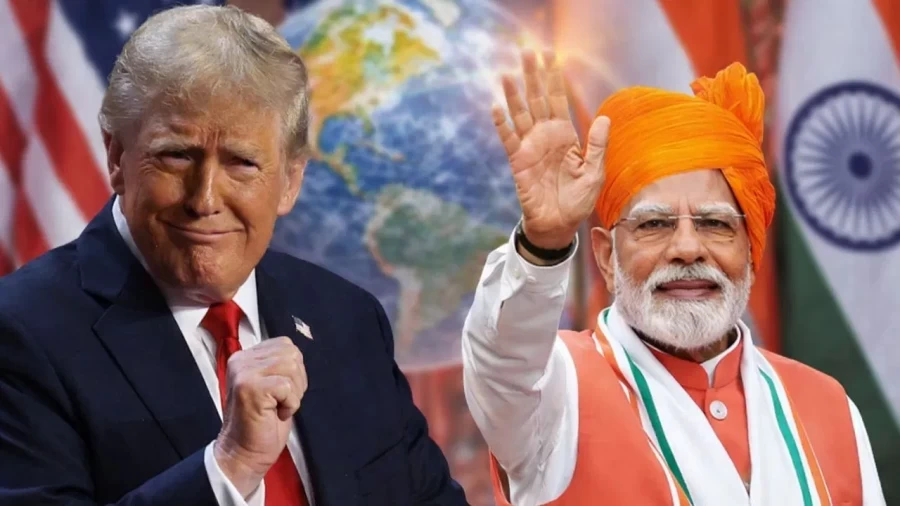
For India, the new 15 percent tariff regime represents a favorable shift in trade dynamics. According to official trade data, Indian goods previously faced US tariffs as high as 50 percent on specific categories. After extensive negotiations, these rates were reduced to 25 percent, and recently, both nations had reached a consensus to bring the rate down to 18 percent. Following the court's intervention, which briefly saw rates drop to 10 percent, Trump's new executive order has stabilized the tariff at 15 percent. This rate is notably lower than the recently agreed 18 percent and Importantly below the 26 percent levels seen during previous trade cycles. Indian exporters in sectors such as textiles, gems, jewelry, and engineering are expected to find the US market more accessible under this new structure.
Relief for China and Mexico from Fentanyl Levies
China and Mexico have also emerged as beneficiaries of the Supreme Court's decision to strike down fentanyl-related tariffs. The removal of these specific additional duties has reduced the financial burden on exporters from these regions. China has officially welcomed the court's ruling and called upon the US administration to move away from unilateral trade policies. For Mexico, the removal of these penalties, which were tied to drug enforcement metrics, provides immediate relief for its manufacturing sector. Although the new 15 percent global tariff will still apply to their goods, it remains a more predictable and manageable figure compared to the previous multi-layered tax system.
Economic Setback for the United Kingdom
The United Kingdom appears to be the hardest hit by this new global tariff mandate. Previously, the UK enjoyed a lower reciprocal tariff of 10 percent, which provided British companies with a competitive edge in the American market. Trump's new 15 percent flat rate effectively eliminates this advantage. Data from Global Trade Alert indicates that this shift will result in a substantial financial blow to the British economy, while the British Chambers of Commerce has warned that the new tariff structure will impose an additional burden of approximately $4 billion on UK exporters. This change is expected to negatively impact nearly 40,000 British companies that rely heavily on trade with the United States.
European Union Threatens to Halt Trade Ratification
The European Union has reacted with strong disapproval to the new tariff announcement. The European Commission issued a statement emphasizing that the United States must honor the trade agreement reached last year, which aimed to keep tariffs on European goods within specific limits. The Commission reminded Washington that "a deal is a deal" and called for adherence to international commitments. In a significant retaliatory move, Bernd Lange, Chairman of the European Parliament's Trade Committee, announced the suspension of the legislative process for ratifying the current trade deal with the US. The EU maintains that it won't proceed with the agreement until the Trump administration provides full legal clarity and firm commitments regarding its new trade policies.
Impact on Global Supply Chains and Diplomacy
The imposition of a uniform 15 percent tariff has introduced a new layer of complexity to global supply chains. While the US administration argues that this move is necessary to protect domestic industries and reduce the trade deficit, international observers note that it may lead to retaliatory measures from other trading blocs. Countries like Italy and Singapore are also assessing the impact of the increased costs on their export-oriented economies. As diplomatic channels remain active, the focus has shifted to how individual nations will negotiate bilateral exemptions or adjustments. The global trade community is now closely monitoring Washington for further executive actions that could influence international commerce in the coming months.
