
- India,
- 15-Aug-2026 12:00 PM IST



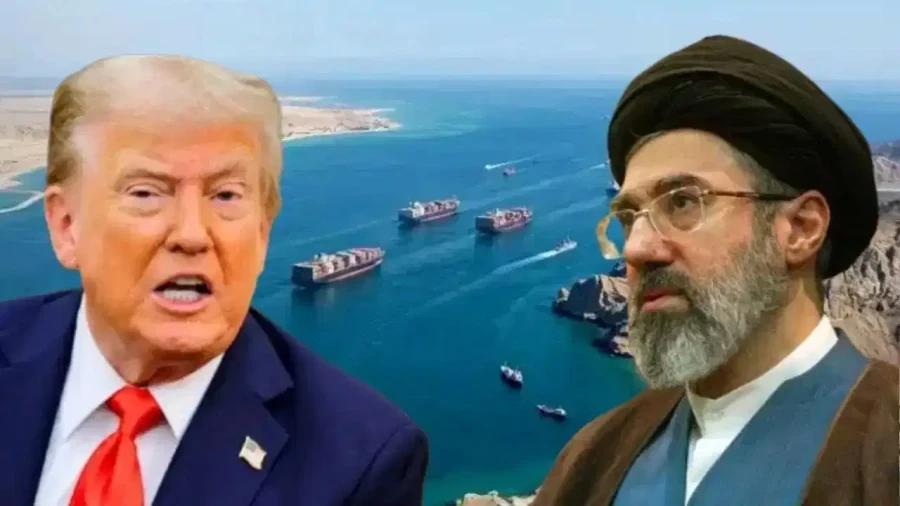
The geopolitical tension between Iran and the United States has escalated Notably as both nations face off over the Strait of Hormuz, one of the world's most critical maritime gateways. United States President Donald Trump has made a bold claim regarding the strategic waterway, asserting that the US now exercises full control over the region and intends to maintain this dominance. However, the Iranian leadership has swiftly and categorically rejected these claims, insisting that the Strait remains firmly under the jurisdiction and management of Tehran. This confrontation highlights a deepening rift between the two powers over a route that's essential for global energy security and international trade.
Trump's Assertion of a Steel Wall
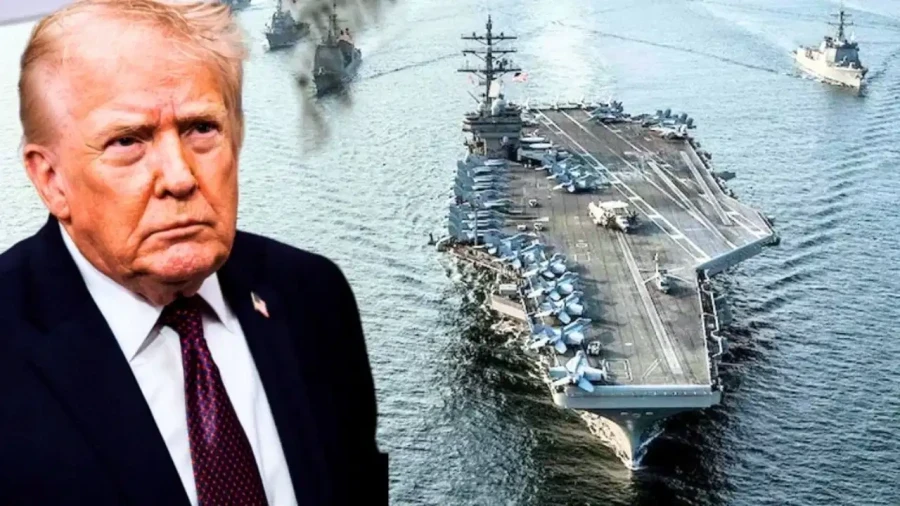
The controversy began when President Donald Trump took to his social media platform, Truth Social, on Wednesday to declare a major shift in the regional power balance. Trump claimed that the United States has achieved total control over the Strait of Hormuz. In his post, he stated that the US has full control of the Strait of Hormuz and expressed his belief that they will maintain it. He further described the American naval presence as a steel wall, a term he claimed others are using to define the blockade, while according to Trump, the Iranian government is powerless to counter this naval strategy. He also asserted that Iran's military infrastructure has been severely weakened, leaving them with no options to challenge the American position in the waterway.
Iran's Official Rebuttal
The response from Tehran was immediate and sharp. Hossein Taeb, the head of the Basij Force of Iran's Islamic Revolutionary Guard Corps (IRGC), appeared on Iranian state television to dismiss the American President's claims. Taeb stated that the Strait of Hormuz continues to be under the control and management of Iran. He emphasized that the country is moving forward with full security measures in place, contradicting the narrative of American dominance. The Iranian leadership views Trump's statements as a misrepresentation of the actual situation on the ground, maintaining that their sovereign rights over the waterway are intact and defended by their military forces.
Diplomatic and Strategic Counter-Arguments
Iranian Foreign Minister Abbas Araghchi also joined the fray, condemning the US claims on social media. Araghchi suggested that the United States has a long history of making wrong estimations due to failures in intelligence gathering. He cited past instances, such as the prospect of war with Iran, as examples of American miscalculations. He labeled the current claim of control over the Strait of Hormuz as an even greater miscalculation. This diplomatic pushback is part of a broader Iranian effort to signal to the international community that they remain the primary authority in the Persian Gulf region.
Restrictions on US and Israeli Vessels
Adding a layer of operational defiance, Behnam Saeidi, a member of the Iranian Parliament's National Security Committee, clarified the current rules of engagement in the Strait. Saeidi stated that the movement of ships linked to Israel and the United States will continue to be restricted. He specifically noted that Israeli vessels wouldn't be permitted to pass through the Strait under any circumstances, whether in times of war or peace. Plus, he made it clear that American military vessels would also be barred from transit. This stance reinforces Iran's intent to use its geographical position as a tool of strategic use against its adversaries.
Alternative Routes and Diplomatic Demands
Amidst the standoff, reports have emerged regarding separate discussions between Iran and Oman, while the two nations are reportedly exploring the possibility of creating an alternative maritime route within the Strait of Hormuz. While these talks are ongoing, no final agreement has been reached yet, while iran has cautioned that even if a new route is established, there is no guarantee that normal maritime traffic will be immediately restored. Tehran has explicitly stated that before any normalization of navigation can occur, the United States must address Iran's comprehensive diplomatic demands. This indicates that the maritime dispute is deeply intertwined with broader political and economic grievances.
US Defense Strategy and Blockade Plans
On the American side, the rhetoric remains equally firm, while uS Secretary of Defense Pete Hegseth, speaking from Panama City, warned that the naval blockade of Iranian ports would continue indefinitely or for as long as necessary. Hegseth explained that the US Navy has the capability to maintain the blockade by rotating its ships in the region as required. He detailed a strategy where warships would be moved in and out of the area one by one, ensuring a constant and sustainable presence. This operational approach is designed to keep the pressure on Iran without overextending the fleet, signaling a long-term commitment to the blockade strategy.
The Stance of the Persian Gulf Strait Authority
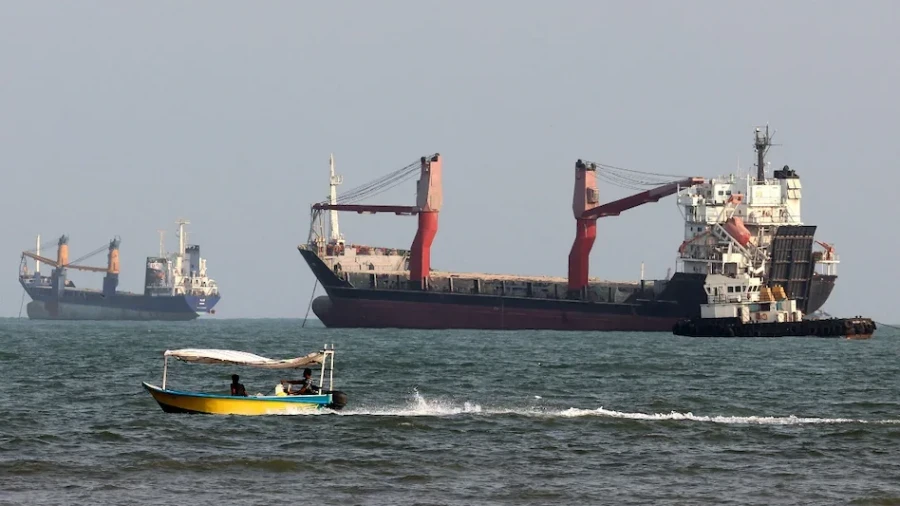
The Persian Gulf Strait Authority has also weighed in, challenging the American narrative. The authority stated that repeated claims by US officials don't change the reality that the Strait of Hormuz remains closed, while they asserted that the waterway won't be reopened until Iran's specific conditions are met. This statement directly contradicts the US claim that the passage is open under their control, adding to the confusion and tension in the international shipping community. As a result of this uncertainty, many commercial vessels have already begun altering their routes to avoid the area, leading to increased naval patrols and a highly sensitive security environment.
Global Economic Implications
The Strait of Hormuz is widely recognized as one of the most vital maritime routes in the world, particularly for the global energy market. Any increase in military tension in this region has the potential to cause immediate fluctuations in global crude oil prices and disrupt energy supplies. While merchant shipping continues under heightened security, the situation remains extremely volatile, while the conflicting claims of control between Trump and the Iranian leadership have created a state of high alert, with the international community closely monitoring the developments to gauge the potential impact on global trade and regional stability.