
- India,
- 12-Jun-2026 08:10 AM IST



United States President Donald Trump has made a significant announcement regarding the diplomatic relations between the US and Iran, stating that a deal to end the ongoing conflict is nearly finalized. Speaking from the Oval Office of the White House on Thursday afternoon, the President expressed high confidence that the agreement would be officially signed this weekend in Europe. This development comes at a critical juncture, following a period of intense military tension where Trump had recently canceled planned military strikes against Iranian targets and issued stern warnings about seizing the nation's oil industry.
Details of the Signing Ceremony and Participation
According to President Trump, the documents for the agreement are in their final stages of preparation. He indicated that the signing ceremony is expected to take place at a location in Europe over the coming weekend, while trump also mentioned the potential involvement of high-ranking officials in the event, stating his expectation that Vice President JD Vance would be present for the signing ceremony. The President emphasized the speed at which the process is moving, noting that the work should be completed very quickly as the framework for a magnificent agreement to end the war has already been established.
Commitment Against Nuclear Weapons
A central pillar of the proposed deal involves Iran's nuclear capabilities. President Trump asserted that Iran has agreed to a strict policy of neither possessing nor purchasing nuclear weapons. He clarified that this agreement is designed to ensure that Iran never achieves the status of a nuclear-armed state. This commitment aligns with what Trump described as the primary objective of his administration's pressure campaign against Tehran. By securing this pledge, the administration aims to eliminate the long-standing threat of nuclear proliferation in the region.
Reopening of the Hormuz Strait and Economic Impact
The President also highlighted the logistical and economic benefits of the deal, specifically mentioning the reopening of the Hormuz Strait. The strait is a vital maritime route for global energy supplies, and its reopening is expected to occur immediately after the deal is signed. This move is anticipated to alleviate the significant pressure on the global energy market that has built up over weeks of military tension and disruptions to maritime activities in the area. Trump attributed Iran's willingness to agree to these terms to the severe economic and strategic losses they've sustained, stating that they've been hit very hard.
Support from Iranian Leadership and Regional Allies
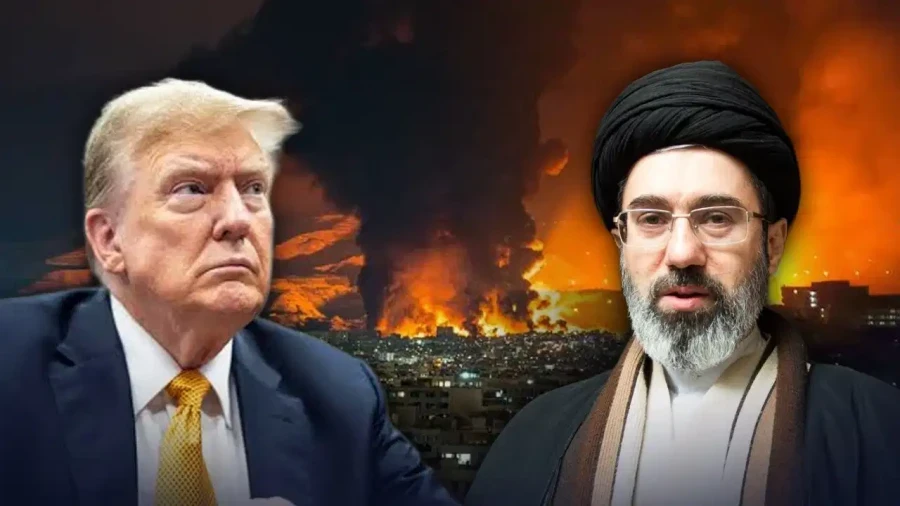
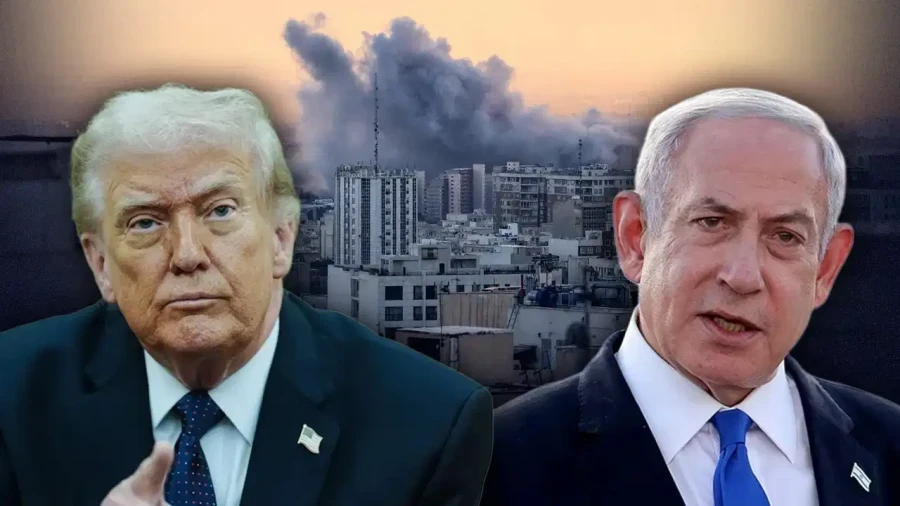
In his remarks, Trump claimed that the proposed agreement has received the necessary backing from Iran's top leadership. When questioned specifically about whether Iran's Supreme Leader Mujtaba Khamenei had consented to the deal, the President responded affirmatively, indicating his belief that the answer is yes. On top of that, Trump noted that he has maintained communication with key regional leaders, including Prime Minister Netanyahu of Israel and various allies in the Gulf countries. He claimed that the entire Middle East is very happy with the progress of this deal, suggesting a broad regional consensus.
A Shift in Iran's Negotiating Stance
Trump argued that the current situation is fundamentally different from previous rounds of negotiations because Iran is now much more eager to reach a settlement. He explained that the intensity of the pressure they faced has made them more willing to compromise than ever before, while according to the President, the level of enthusiasm from the Iranian side for a deal has shifted dramatically in recent weeks. He concluded that they want to make a deal much more than he does, primarily because they've suffered losses that few could endure, leading to this imminent breakthrough in Europe.