

- India,
- 22-Apr-2026 08:38 AM IST


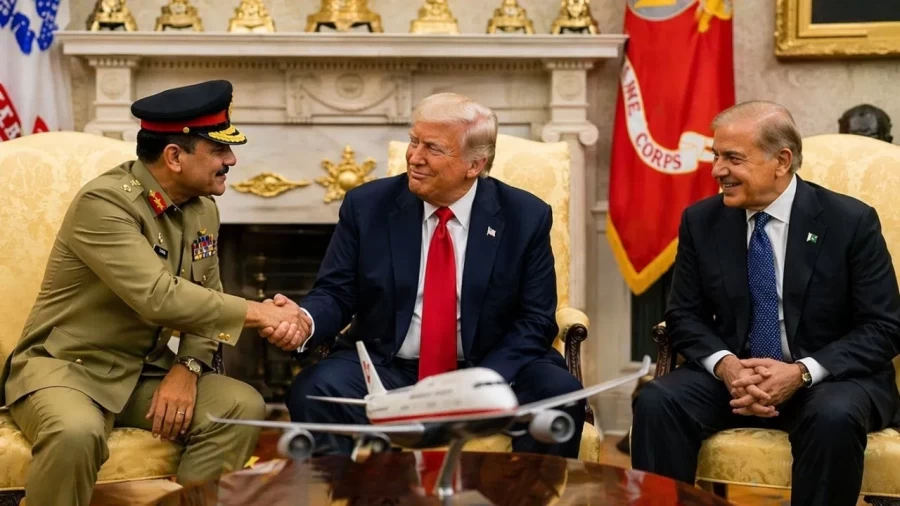
In a significant diplomatic development, the ceasefire between the United States and Iran has been extended once again. With only a few hours remaining before the expiration of the existing truce, US President Donald Trump announced his decision to prolong the cessation of hostilities. During the announcement, Trump specifically credited Pakistan's Army Chief General Asim Munir and Prime Minister Shehbaz Sharif, stating that the extension was granted following their direct requests and mediation efforts.
Pakistan's Role in Mediation and Trump's Decision
Pakistan has been playing a pivotal role as a mediator between the two nations. General Munir and PM Shehbaz Sharif urged President Trump to refrain from launching immediate military strikes against Iran. Following this appeal, Trump altered his stance and extended the ceasefire until Iran presents a concrete and viable proposal for peace. Pakistan has officially expressed its gratitude to President Trump for accepting their request and choosing the path of temporary de-escalation.
Naval Blockade and Trump's Assessment of Iran
Despite the halt in direct military strikes, President Trump has clarified that the strategic pressure on Tehran will remain. He has instructed the US military to maintain the ongoing siege and blockade of Iranian ports. Trump believes that the Iranian government is currently severely divided and in a weakened state. He suggested that this perceived vulnerability might force Iran to concede during negotiations. However, Iran has dismissed these claims, showing no signs of submission.
Ceasefire Timeline and Uncertainty Over Talks
The initial two-week ceasefire between Iran and the US was implemented on April 8 and was scheduled to conclude on April 22. Trump’s announcement came just in time to prevent a resumption of conflict. However, uncertainty looms over the second round of diplomatic talks. While it was previously anticipated that the next round of negotiations would take place in Islamabad, the delegations from both countries have yet to arrive, leaving the venue and schedule in doubt.
Iran's Response and IRGC's Stance
Iran has reacted sharply to Trump's announcement of the ceasefire extension. Iranian officials stated that a "losing side" can't dictate terms to the opposition, while tehran views Trump's move as a tactical maneuver to gain time for a potential surprise attack. The Islamic Revolutionary Guard Corps (IRGC) emphasized that any future discussions must occur on their terms. The Iranian military maintained that since they're in a position of strength, they will be the ones setting the conditions for peace.
Shehbaz Sharif's Gratitude and Future Outlook
Pakistan's Prime Minister Shehbaz Sharif welcomed the extension and thanked President Trump for honoring Pakistan's request. He stated that efforts are ongoing to resolve the conflict through dialogue and expressed hope that peace talks would soon commence on Pakistani soil. According to Sharif, the first round of formal negotiations between Iran and the US is expected to be hosted in Islamabad as part of the continued mediation process.
