

- USA,
- 23-Oct-2025 05:42 PM IST


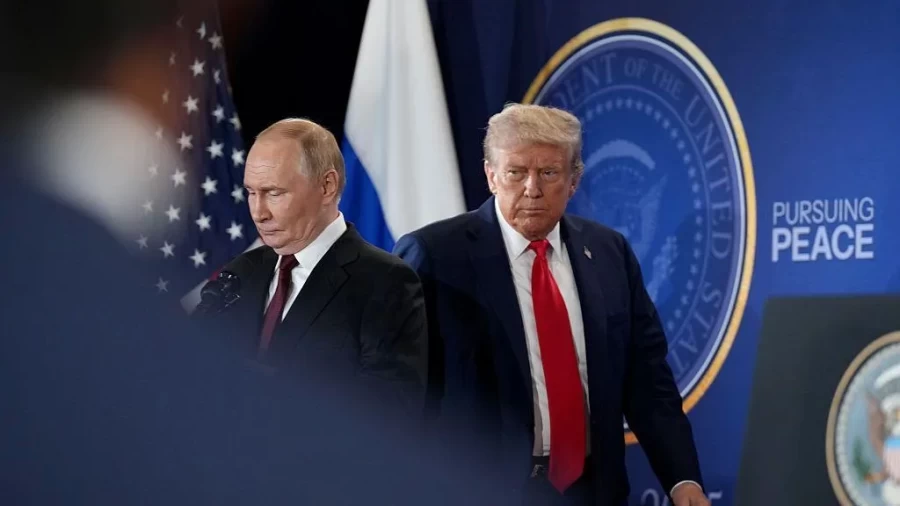
US President Donald Trump has announced sweeping new sanctions targeting Russia's two largest oil companies, Rosneft and Lukoil, in a bid to compel Moscow to negotiate a peace settlement in Ukraine. This significant policy shift comes after Trump expressed growing exasperation with Russian President Vladimir Putin, stating that their talks "don't go anywhere.
Shift in US Policy
The announcement marks a notable departure from Trump's previous stance, where. He had avoided such measures, hoping to broker a peace deal. His administration had sought to position the US as a neutral. Mediator, a change from his predecessor Joe Biden's firm support for Ukraine. However, Putin's refusal to advance negotiations led to the imposition of these "tremendous" sanctions.
International Reactions and Impact
Ongoing Conflict and Diplomatic Efforts
Ukraine's President Volodymyr Zelensky welcomed the sanctions as a "good signal," hoping they would force a breakthrough. US Treasury Secretary Scott Bessent emphasized that the sanctions were necessary due to "Putin's refusal. To end this senseless war," stating that Rosneft and Lukoil fund the Kremlin's "war machine. " While Russia, through the Kremlin, claimed immunity, the sanctions aim to hit Moscow's primary export. India is reportedly considering reducing Russian oil imports, while China opposes the move. The sanctions coincide with continued intense fighting in Ukraine, including deadly strikes on Kyiv. Diplomatic efforts, including a shelved meeting between Trump and Putin in Budapest. And a visit by Zelensky to the White House, highlight the complex landscape. Trump noted that he held back long-range Tomahawk missiles for Ukraine due to their complexity. NATO Secretary General Mark Rutte praised the sanctions, discussing a 12-point peace. Plan involving a frontline freeze, prisoner exchanges, and security guarantees for Ukraine.
