
- India,
- 07-Aug-2026 11:56 AM IST



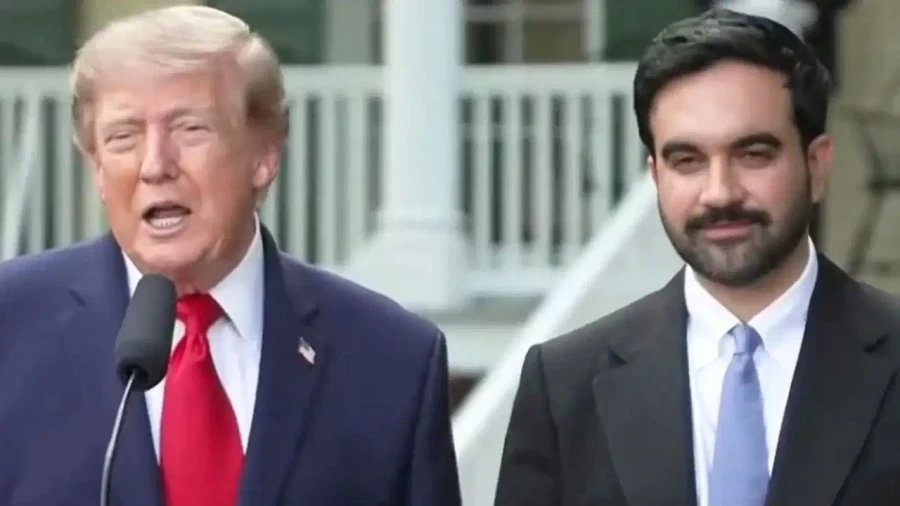
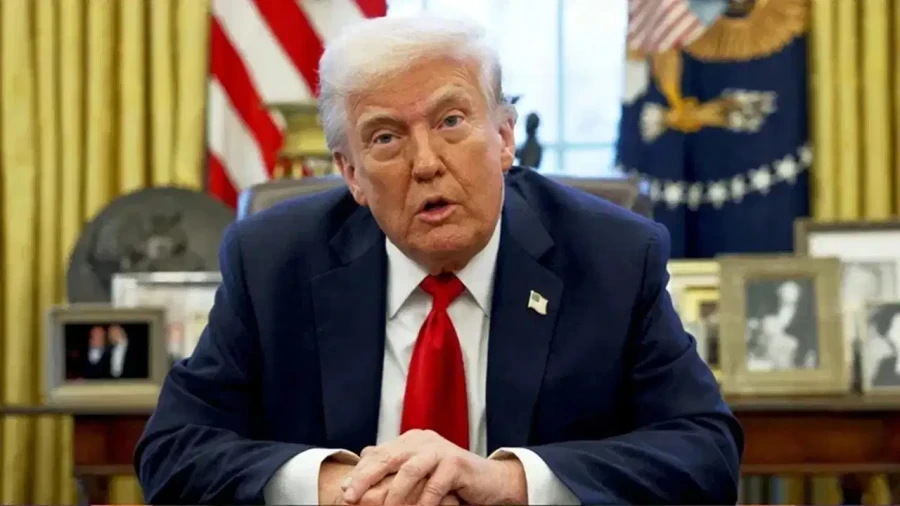
United States President Donald Trump has expressed profound dissatisfaction and visible anger following the emergence of leaked reports regarding the country's dwindling weapons stockpiles, while this development comes at a critical juncture as military tensions with Iran continue to escalate, creating a complex security environment for the administration. During a high-level cabinet meeting held this week, President Trump addressed the issue of confidential information regarding the state of American armaments being disclosed to the media. He characterized those responsible for these leaks as traitors and emphasized that such actions constitute a betrayal of national interests. The President has called for stringent measures and tough action against the individuals involved in disseminating this sensitive data to the press.
Concerns Over National Security and Military Perception
The primary concern for President Trump extends beyond the physical shortage of weapons; it involves the strategic perception of American military strength on the global stage. According to US officials, the President had been aware of potential issues regarding the weapons inventory for several months. However, the public disclosure of these vulnerabilities during a decisive phase of tension with Iran has caused significant frustration within the administration. Trump is reportedly concerned that such information makes the United States appear militarily weakened in the eyes of its adversaries, while in a series of communications on his social media platform, Truth Social, the President defended the status of the American arsenal. He asserted that the United States still possesses large quantities of specific types of weaponry and highlighted that the production of new armaments is being accelerated. Despite this defense, he later acknowledged that the supply of certain advanced weapons is relatively limited and that there is considerable pressure on the stocks of sophisticated military hardware.
Critical Shortages in THAAD and Patriot Missile Systems
The most significant concerns regarding the American weapons stockpile revolve around air defense interceptors. Reports from CNN indicate that since the onset of recent conflicts, the United States has utilized approximately 80 percent of its THAAD (Terminal High Altitude Area Defense) missile inventory. On top of that, the stockpile of Patriot interceptor missiles has seen a reduction of nearly 50 percent. Data provided by the Center for Strategic and International Studies (CSIS) offers a clearer picture of the pre-war inventory levels. Before the start of the conflict with Iran, the United States reportedly held about 2200 missiles of the two modern versions of the Patriot system and approximately 452 THAAD missiles. These figures are particularly alarming for military planners because both systems play a pivotal role in intercepting and neutralizing aerial threats, which are central to the current regional security dynamics.
Regional Implications and Anxiety Among Gulf Allies
The depletion of American military reserves isn't merely a domestic concern for Washington; it has sent ripples of anxiety through the Gulf region, while nations such as Saudi Arabia and Qatar, which rely heavily on American-made defense systems for their aerial security, are monitoring the situation with growing apprehension. These Gulf allies fear that if the United States intensifies its military actions against Iran, and if Iran responds with large-scale missile or drone strikes, the limited availability of American air defense interceptors could leave them vulnerable, while the strategic partnership between the US and these nations is built on the assurance of a strong defense umbrella, which is now being questioned due to the reported shortages.
Political Accountability and Industrial Mobilization
President Trump has pointed the finger at the previous administration for the current state of the weapons stockpile. He has repeatedly blamed the Joe Biden administration, alleging that the large-scale transfer of weapons to Ukraine placed an unsustainable burden on American inventories. The simultaneous demands of providing military aid to both Israel during the Gaza conflict and to Ukraine have exerted immense pressure on the US defense industry and its existing stockpiles. In response to these challenges, the current administration is urging defense contractors to ramp up production Notably. President Trump has held meetings with the heads of major military hardware manufacturing companies to address these gaps. This follows a series of actions including a meeting in March with defense industry leaders and the initiation of a process in July to take advantage of the Defense Production Act. This act is intended to compel defense companies to prioritize and increase the manufacturing of essential weaponry to replenish the national reserves and ensure military readiness.