

- India,
- 24-Jan-2026 08:39 AM IST


The specter of a major military conflict looms large over the Middle East as the war of words between the United States and Iran escalates into a direct confrontation. Following a series of provocative statements from U. S, while president Donald Trump, Iran has issued a stern counter-warning, signaling that it's prepared for the worst-case scenario, including a full-scale war.
Trump's Ultimate Warning to Tehran
During his return from Davos, President Donald Trump intensified his campaign of maximum pressure against the Iranian regime. Trump explicitly stated that if Iran were to follow through on alleged assassination threats against U. S. officials, the country could be "wiped off the face of the earth. " He further suggested that the 37-year-old clerical rule in Tehran has reached its end and that the world is looking for new leadership in Iran. This rhetoric has pushed diplomatic relations to an all-time low.
Iran's Defiant Response
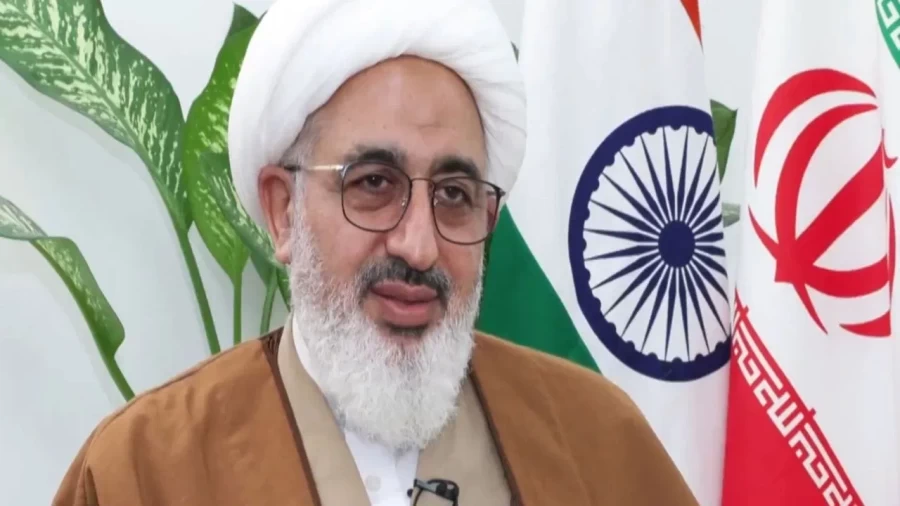
Responding to these threats, Abdul Majid Hakim Elahi, the representative of. Iran's Supreme Leader in India, dismissed Trump's comments as repetitive and ineffective. In a detailed interview, Elahi stated that Washington's bullying tactics wouldn't force Iran to surrender its sovereignty, while "These threats aren't new to us. We've faced such rhetoric for decades, and our nation is. Prepared for any situation that may arise," Elahi remarked, emphasizing Iran's resilience.
Pentagon's Military Maneuvers
The tension isn't merely verbal. The Pentagon has reportedly redeployed a carrier strike group to the U, while s. Central Command area, which encompasses the Middle East. Trump’s mention of a "large army" moving toward Iran has raised alarms globally. Military analysts suggest that the deployment of advanced naval and air assets indicates that the U. S, while is preparing for potential surgical strikes or a broader military engagement if provoked.
The Nuclear Deadlock and Fatwa
Addressing the controversial nuclear program, Elahi reiterated that Iran has no intention of developing nuclear weapons, while he cited the religious decree (Fatwa) issued by Supreme Leader Ayatollah Ali Khamenei, which forbids the production and use of weapons of mass destruction. Elahi maintained that Iran’s nuclear ambitions are strictly peaceful, focusing on medical research and energy production. He criticized international monitoring agencies for their "double standards," pointing out. That other nuclear-armed nations in the region face no such scrutiny.
Internal Unrest and Global Influence
The Iranian representative also touched upon the recent domestic protests in Iran. He defended the government's decision to restrict internet access, claiming it was a necessary measure to restore order and prevent foreign-funded violence. Elahi also took a swipe at international organizations like the United Nations, stating. They've lost their independence and are now controlled by powerful Western interests.
A Region on the Edge
As both nations refuse to back down, the international community remains on high alert. A conflict between the U. S, while and Iran wouldn't only destabilize the Middle East but also cause a massive spike in global oil prices and disrupt international trade routes. For now, the world watches with bated breath to see if diplomacy can prevail over the drums of war.
