
- India,
- 09-Jun-2026 08:45 AM IST



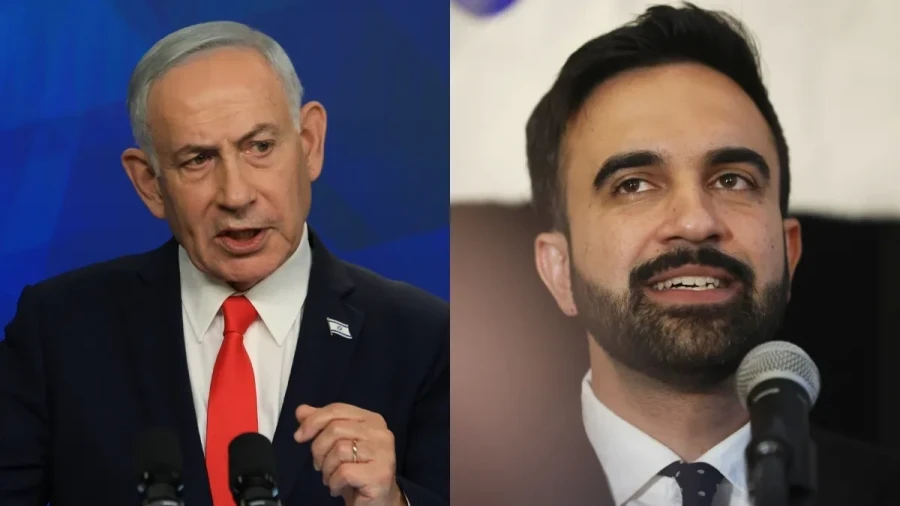
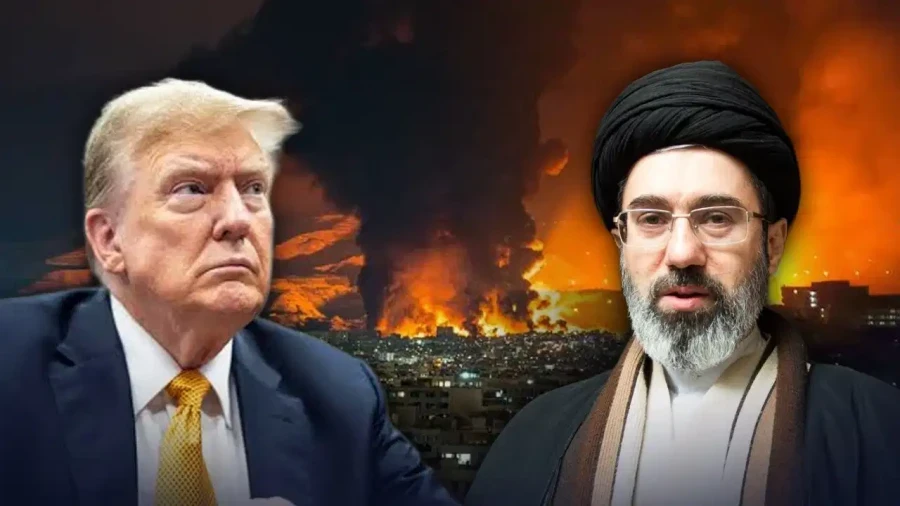
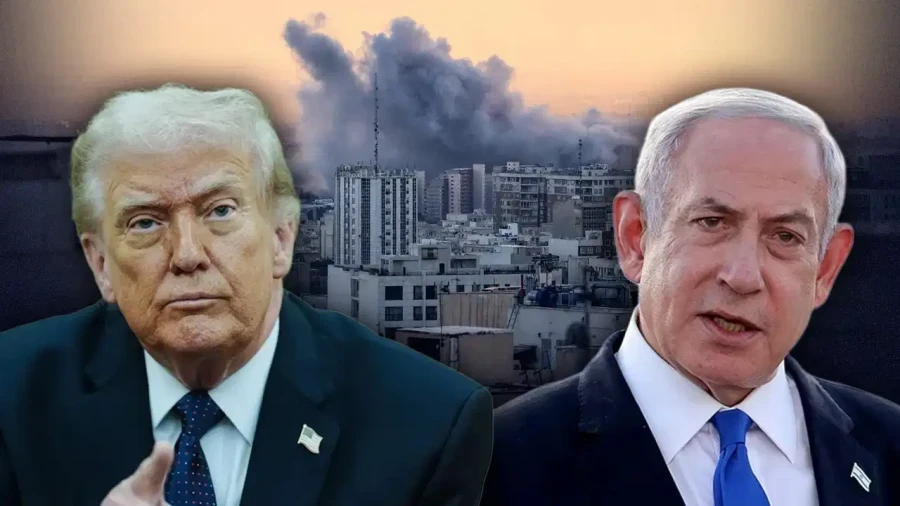
US President Donald Trump has issued a stern warning to Israeli Prime Minister Benjamin Netanyahu, cautioning that Israel could find itself internationally isolated if it continues to launch large-scale military strikes against Iran. In a significant diplomatic intervention, Trump emphasized the need to halt the ongoing conflict and prioritize reaching a negotiated settlement. This warning comes at a critical juncture as tensions in the Middle East reach a boiling point, threatening to escalate into a full-scale regional war.
The Warning from Trump
During a detailed conversation with the American media outlet Axios, President Trump revealed the specific nature of his message to the Israeli leader. Trump reportedly told Netanyahu, "Bibi, be careful. " This direct communication highlights Trump's growing concern over the trajectory of the current military operations and the potential for Israel to lose its global support base if the aggression persists without a clear diplomatic exit strategy.
Trump's primary fear is that a further escalation in hostilities could permanently derail efforts to secure a comprehensive agreement with Iran. The US President is reportedly working toward a deal that would stabilize the region, and he views continued military strikes as a major obstacle to this objective. Also, there is a significant concern within the Trump administration that the United States could be inadvertently drawn deeper into the conflict, a scenario that Trump is keen to avoid.
Escalation and Retaliation
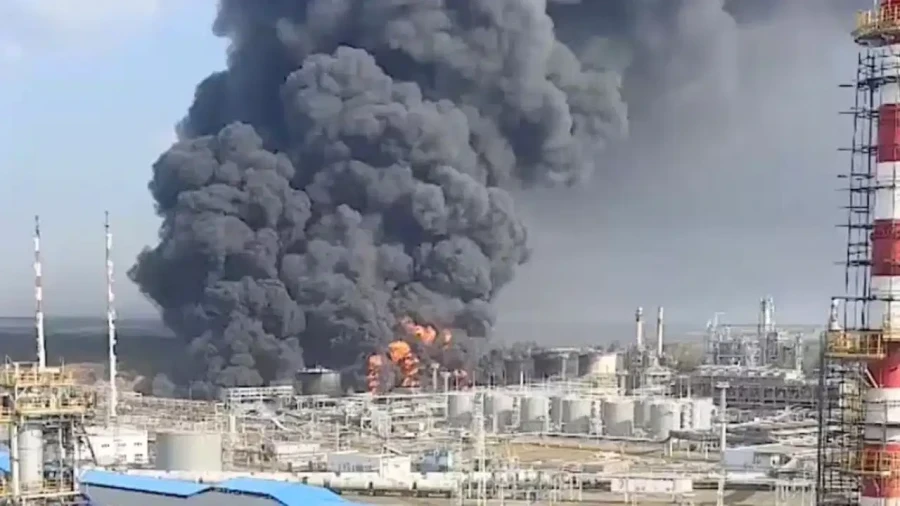
The timing of this warning is particularly sensitive, while recently, Israel conducted targeted strikes in the Lebanese capital, Beirut, focusing on locations linked to the militant group Hezbollah. In a swift and direct response, Iran launched a series of missiles toward Israel, Notably heightening the risk of a broader confrontation. These developments have sent shockwaves through the international community, with many fearing that the Middle East is on the brink of an uncontrollable war.
According to reports, Trump is actively seeking a diplomatic breakthrough with Iran. He has advised Netanyahu that progress in negotiations is possible and that further military provocations should be avoided to keep the window for dialogue open. While Trump acknowledges Israel's fundamental right to self-defense, he's simultaneously worried that repetitive retaliatory strikes could spiral into a catastrophic regional conflict that serves no one's long-term interests.
The Israeli Response and US Involvement
Despite the pressure from the White House, Prime Minister Netanyahu informed US officials that Israel would continue with what he described as limited military actions. Following this communication, Israel targeted specific Iranian installations. Iran responded once again with missile fire. While the US military didn't participate in direct offensive operations, it played a crucial role in assisting Israel by intercepting incoming Iranian missiles, thereby preventing significant casualties and further escalation.
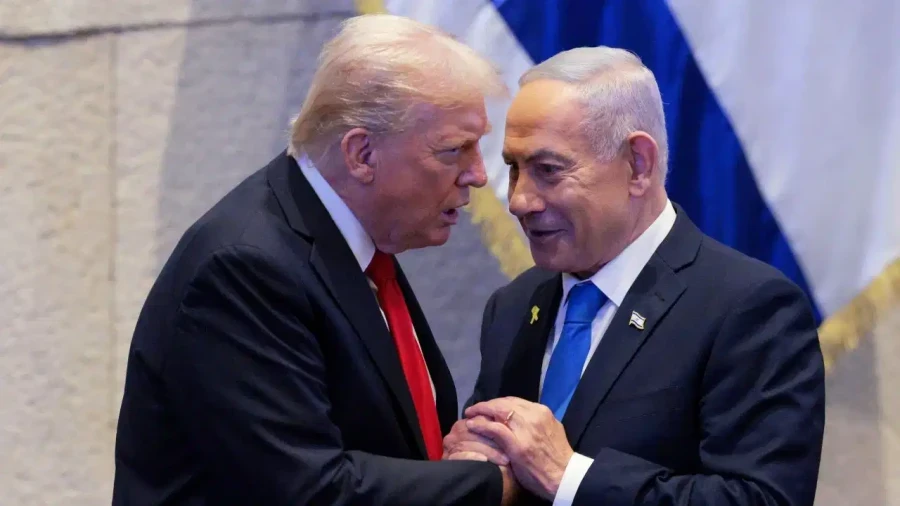
Following the surge in tension, Trump and Netanyahu held another telephone conversation, while during this call, Trump reiterated his appeal for restraint and urged the cessation of major attacks. Israeli officials have indicated that Netanyahu eventually agreed to a conditional de-escalation: if Iran refrains from further attacks, Israel will also hold back from launching large-scale military operations.
Netanyahu's Public Address
In a televised address to the nation, Prime Minister Netanyahu maintained a firm stance, asserting that Israel has successfully neutralized the potential nuclear threat posed by Iran. He claimed that over the past year, Israel's military actions have Notably weakened both Iran and its proxy, Hezbollah.
- The neutralization of Hezbollah's plans for a major offensive against Israel.
- The successful elimination of Hezbollah leader Hassan Nasrallah.
- The destruction of numerous strategic sites and infrastructure belonging to the militant organization.
Netanyahu's address served to reassure the Israeli public of their security while also signaling to the international community that Israel remains prepared to defend itself against any new actions from Iran or Hezbollah. However, the underlying tension between the US administration's push for a deal and Israel's military strategy remains a central theme in the evolving geopolitical landscape of the Middle East.