
- India,
- 12-May-2026 02:09 PM IST



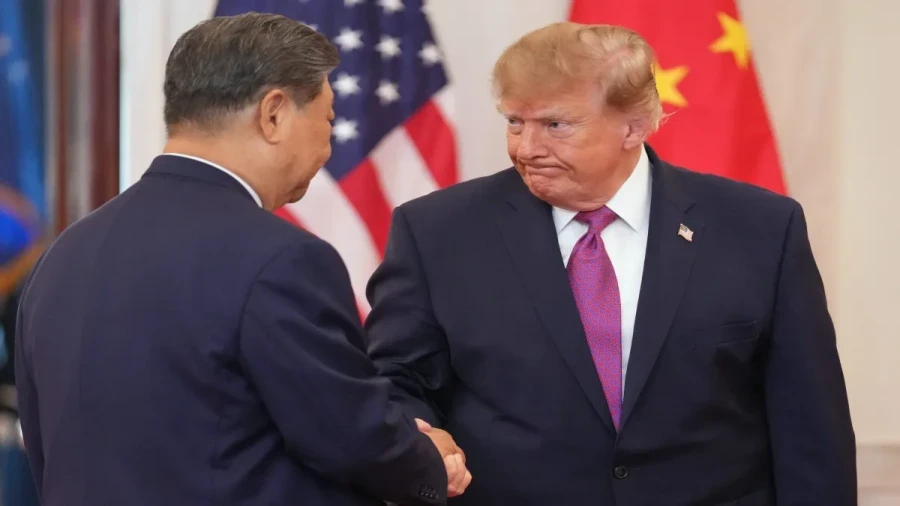
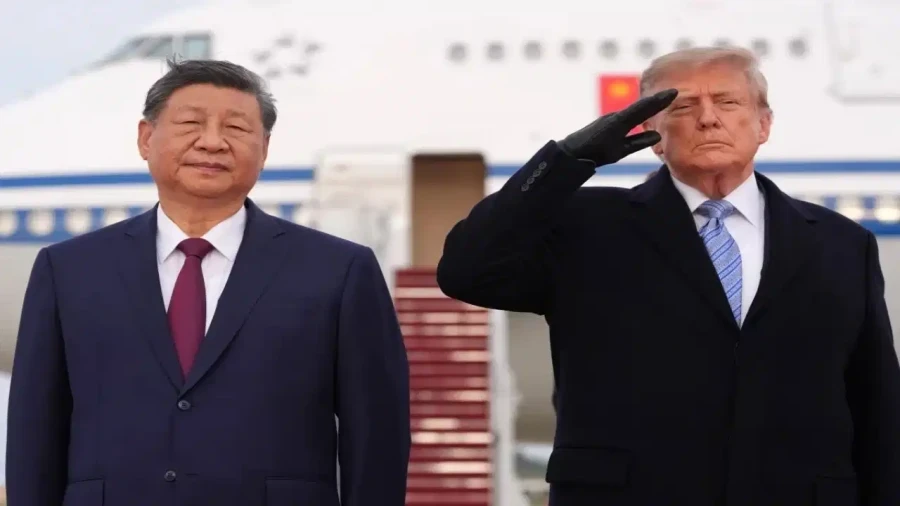
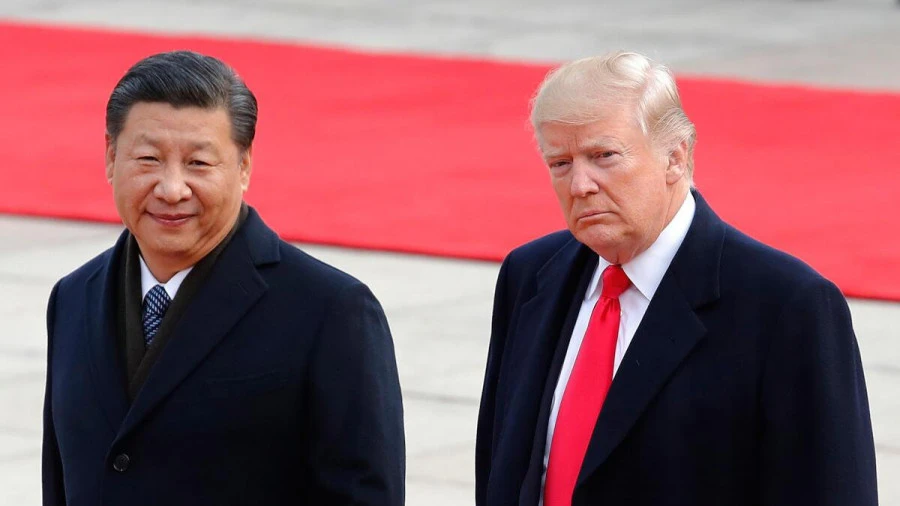
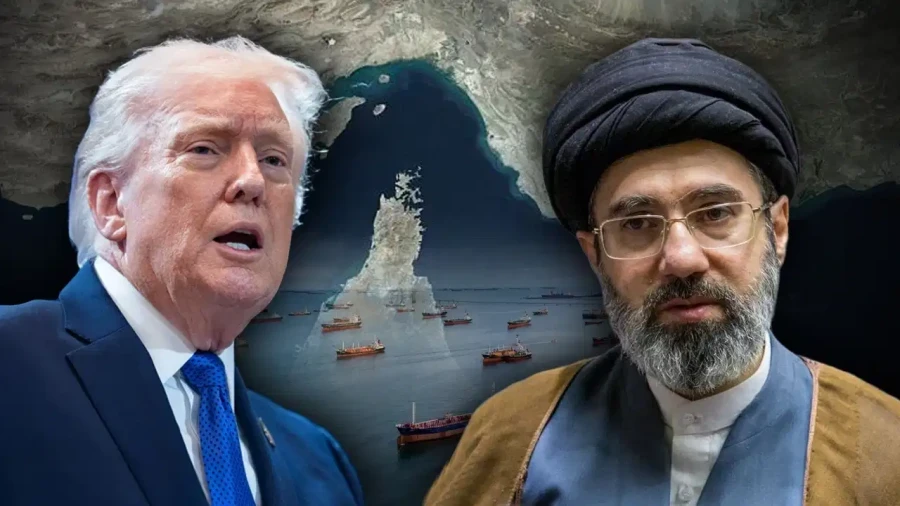
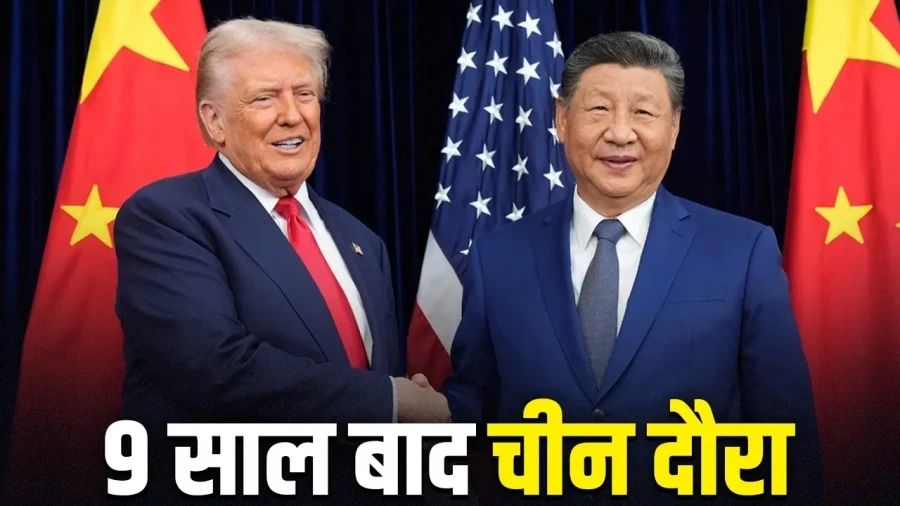
US President Donald Trump is scheduled to undertake a highly significant and strategic visit to China from May 13 to 15, where he's slated to hold high-level discussions with Chinese President Xi Jinping. This visit marks Trump's return to China after a gap of nearly nine years, making it a pivotal moment for the future of US-China relations. The agenda for this trip extends far beyond traditional diplomacy, encompassing trade, advanced technology, the sensitive issue of Taiwan, the ongoing Iran conflict, and the strategic interests of some of the world's largest corporations, while the visit takes place against the backdrop of the 'Triple T' tensions—referring to Tariffs, Taiwan, and Technology—which have defined the competitive landscape between the two superpowers in recent years. The world is closely watching this encounter between the leaders of the two largest economies.
High-Profile CEO Delegation and Economic Objectives
A defining feature of this visit is that President Trump won't be traveling alone; he will be accompanied by a powerful delegation of American business leaders, while the group includes prominent figures such as Tesla CEO Elon Musk, Apple's Tim Cook, BlackRock's Larry Fink, and Boeing's Kelly Ortberg. Also, high-ranking executives from Goldman Sachs, Qualcomm, Micron, Meta, Visa, and Mastercard will also be part of this influential delegation. While analysts suggest that a major historic breakthrough may be unlikely, the primary focus will be on de-escalating existing tensions and seeking ways to stabilize the massive trade relationship between the two nations. The presence of these corporate giants underscores the continued importance of the Chinese market to the American business sector despite geopolitical friction.
Trade Negotiations and Commodity Agreements
With bilateral trade valued at hundreds of billions of dollars, a key objective for Trump is to persuade China to increase its procurement of American goods. It's anticipated that new agreements could be reached regarding China's purchase of US soybeans, beef, energy products, and Boeing aircraft. Also, the agenda includes critical discussions on ensuring a stable supply of rare earth minerals and enhancing cooperation to curb the trafficking of fentanyl, while however, given the complex nature of these issues and the deep-seated mistrust between the two nations, the negotiations are expected to be rigorous and challenging for both sides. The Trump administration aims to reduce the trade deficit and create more opportunities for American farmers and manufacturers within China.
The Taiwan Impasse and Geopolitical Conflicts
The issue of Taiwan remains the most significant point of friction between Washington and Beijing. China continues to demand that the United States explicitly oppose Taiwan's independence. Conversely, the US intends to maintain its long-standing policy of 'strategic ambiguity,' a diplomatic stance where a nation intentionally leaves its future actions unclear to deter conflict and maintain a delicate balance. Experts believe that Trump is unlikely to make any major concessions or policy shifts on this front. The conflict involving Iran will also be a major talking point; the US seeks China's assistance in pressuring Iran to reduce tensions in West Asia, though China often attributes the regional instability to the policies and actions of the US and Israel.
Technological Competition and the EV Sector
To manage economic and technological friction, US officials have hinted at the potential formation of a trade board to maintain open lines of communication between the two sides. The discussions will likely cover Artificial Intelligence (AI), semiconductors, supply chain resilience, and the electric vehicle (EV) sector. China's dominance in the global automobile industry is a growing concern for Western powers; according to the China Association of Automobile Manufacturers, China's global vehicle exports surged by 21% last year. Also, Chinese EVs are priced Notably lower than those from the US, Germany, Italy, Japan, and South Korea, posing a major competitive threat to Western manufacturers. Trump is expected to address these competitive imbalances during his talks.
The Chip War and NVIDIA's Notable Absence
Notably absent from Trump's delegation is NVIDIA CEO Jensen Huang, despite his reportedly good relationship with the President. The US has been steadfast in its efforts to prevent China from accessing the world's most advanced computer chips, particularly high-end AI chips from companies like NVIDIA and AMD that are essential for developing advanced AI systems. While Trump had previously permitted the export of NVIDIA's H200 AI chips to China under specific conditions—stipulating that China couldn't receive more than 50% of the total volume sold to US customers—these chips have yet to see significant sales in China. US Commerce Secretary Howard Lutnick stated on April 22 that Chinese firms are facing difficulties in obtaining approval from their own government to proceed with these purchases, further complicating the technological standoff.