
- India,
- 12-May-2026 05:32 PM IST



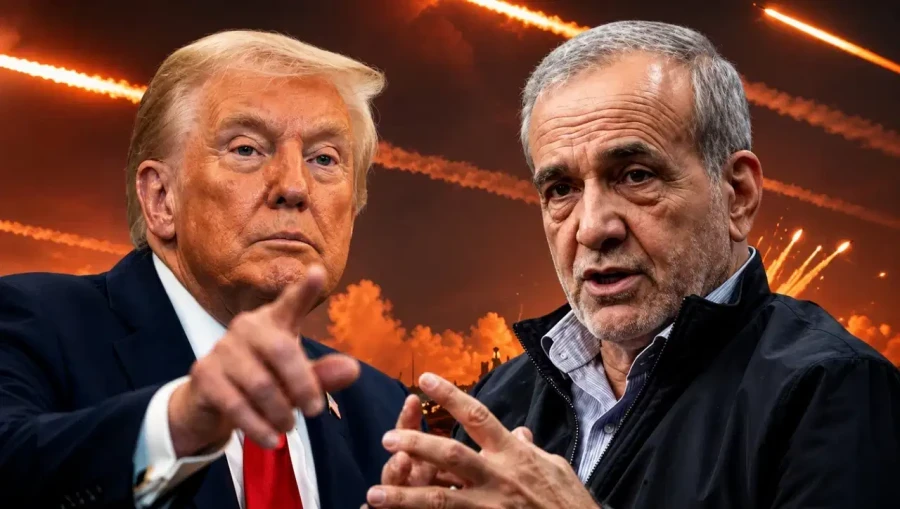
The nuclear negotiations between the United States and the Islamic Republic of Iran have reached a significant and perilous impasse, casting a dark shadow of uncertainty over the existing ceasefire. S. President Donald Trump issuing a stern warning that the ceasefire could be terminated if a deal isn't reached promptly. According to reports from CNN, President Trump is actively considering the possibility of resuming military conflict. On the other hand, the Iranian leadership has maintained that war isn't a viable option for either party. Iran has emphasized that they've already submitted a formal proposal for the agreement, suggesting that if the United States considers their terms seriously, a diplomatic breakthrough could still be achieved.
Qatar's Role as a Backdoor Mediator
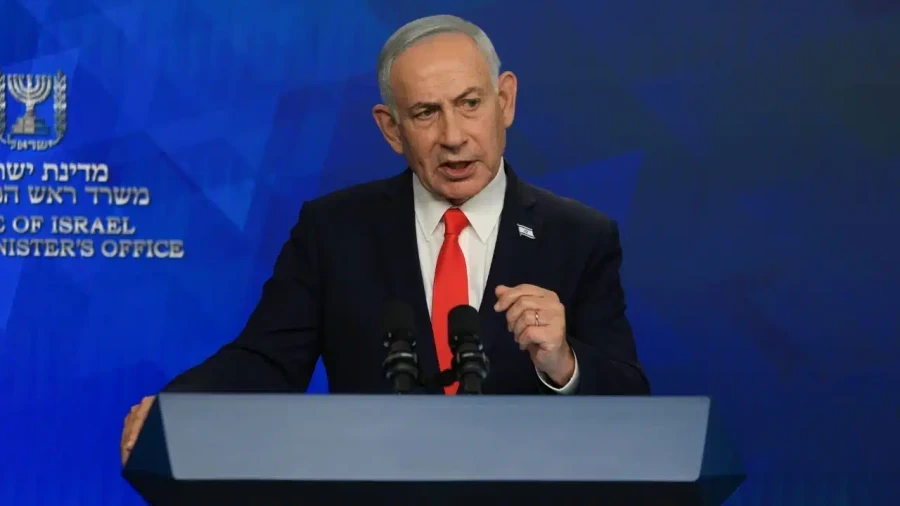
In an effort to break the diplomatic stalemate, the United States has activated a backdoor communication channel through Qatar, while qatar is internationally recognized for its expertise in facilitating complex international deals and mediating between adversarial nations. S. has involved Qatari Prime Minister Al-Thani in the negotiation process. The involvement of Qatar is seen as a critical attempt to bridge the gap between Washington and Tehran, providing a neutral platform where both sides can discuss terms without the immediate pressure of public posturing, aimed primarily at preventing a full-scale military escalation.
The Trust Deficit and Demand for Security Guarantees
A fundamental obstacle to the success of the nuclear deal is the profound lack of trust between the two nations. The Iranian administration has openly expressed its skepticism regarding American commitments. MB Ghalibaf, the Speaker of the Iranian Parliament, has stated that reaching a deal is exceptionally difficult because Tehran simply doesn't trust the United States, while adding to this sentiment, Iran's Ambassador to China issued a statement clarifying Iran's conditions for moving forward. He noted that if a global superpower steps in to provide a formal guarantee that Iran won't face any future American military strikes, Tehran would be willing to proceed with the negotiations. In essence, Iran is seeking a strong and reliable guarantor to safeguard its interests before committing to any formal agreement.
Uranium Enrichment and National Sovereignty
The technical aspects of the nuclear program remain a major point of contention. Iran has categorically refused the American demand to destroy its uranium enrichment facilities. A spokesperson for the Iranian government clarified that any agreement reached wouldn't be dictated solely by American terms. According to the Fars News Agency, while Iran has proposed to halt or limit uranium enrichment activities, it has no intention of dismantling its physical infrastructure. Iran views these facilities as a matter of national sovereignty and strategic importance, making it clear that the destruction of these sites is a non-negotiable point that they aren't willing to concede under the current framework.
Disagreement over Duration and $200 Billion Compensation
The proposed duration of the nuclear restrictions has also become a source of significant disagreement. The United States, in its formal proposal, suggested that Iran must adhere to the nuclear enrichment restrictions for a period of 20 years. However, Iran has rejected this long-term commitment, stating that it's only prepared to agree to a 10-year timeframe. On top of that, Iran has introduced a substantial financial demand as a prerequisite for the deal. The Iranian government is seeking at least 200 billion dollars in compensation for the damages it claims were caused by previous American military strikes on its facilities. Iran views this compensation as a necessary step toward a fair and equitable resolution of the long-standing conflict.
Internal Iranian Politics and Trump's Perspective
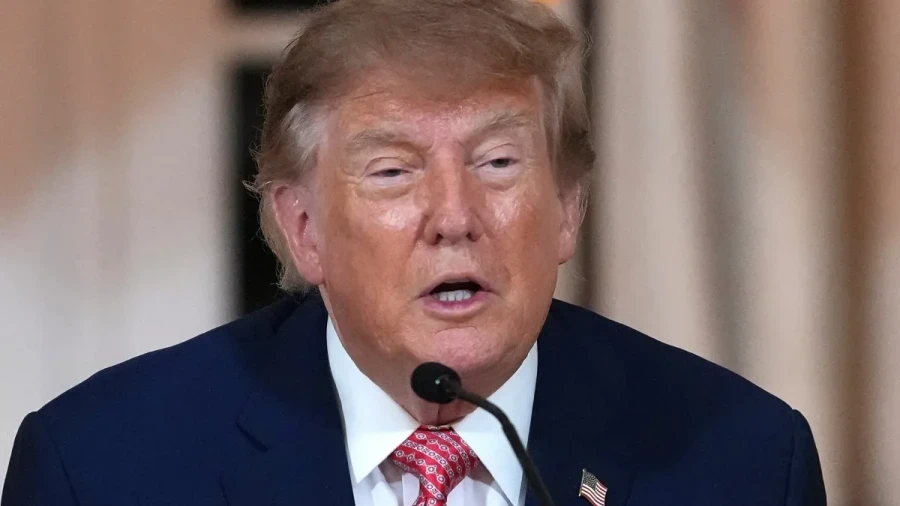
President Trump has also pointed toward the internal political dynamics within Iran as a complicating factor in the negotiations. He remarked that the presence of both liberal and hardline factions in Iran has led to inconsistent approaches to the deal. Trump mentioned that he was initially told that Iran would hand over its 'nuclear dust,' but that position has since changed. Labeling the negotiators as 'crazy people,' Trump reiterated that his primary objective is to ensure that Iran never acquires a nuclear weapon. S. National Security Advisor John Bolton has offered a different perspective, suggesting that Iranian hardliners aren't interested in a deal that Trump could portray as a political victory. According to Bolton, this internal resistance makes a military strike the only remaining option for the Trump administration to address the Iranian nuclear threat.