

- India,
- 07-Mar-2026 09:36 AM IST


A recent social media post by US President Donald Trump has ignited fresh speculation regarding a potential end to the ongoing conflict between Iran and Israel. " This statement has led diplomatic observers to question whether a ceasefire could be announced by March 12, following a specific pattern observed during a similar conflict last year where a ceasefire was declared exactly six days after a similar proclamation.
Trump’s Statement and the Call for Unconditional Surrender
In his post on Friday, President Trump maintained a firm stance, stating that there would be no negotiations without Iran's total capitulation. He further elaborated that following the election of a "great and acceptable leader," the United States and its partners would work tirelessly to bring Iran back from the brink of economic ruin, while trump promised to make Iran "bigger, better, and stronger than ever before," concluding his message with the slogan "Make Iran Great Again" (MIGA). The post is being interpreted as both a stern warning and a potential roadmap for future diplomatic engagement.
Historical Precedent: The Six-Day Pattern from Previous Conflict
The speculation regarding a March 12 ceasefire is rooted in a historical event from the previous year. On June 17, 2025, during a twelve-day war between Israel and Iran, Trump made an identical demand for surrender. Exactly six days later, on June 23, he announced that a ceasefire agreement had been reached through mediation involving the United States and Qatar. If this chronological pattern holds true in the current scenario, the six-day window following his Friday post would conclude on March 12, marking a potential turning point in the hostilities.
Scale of Current Hostilities vs. Previous Engagements
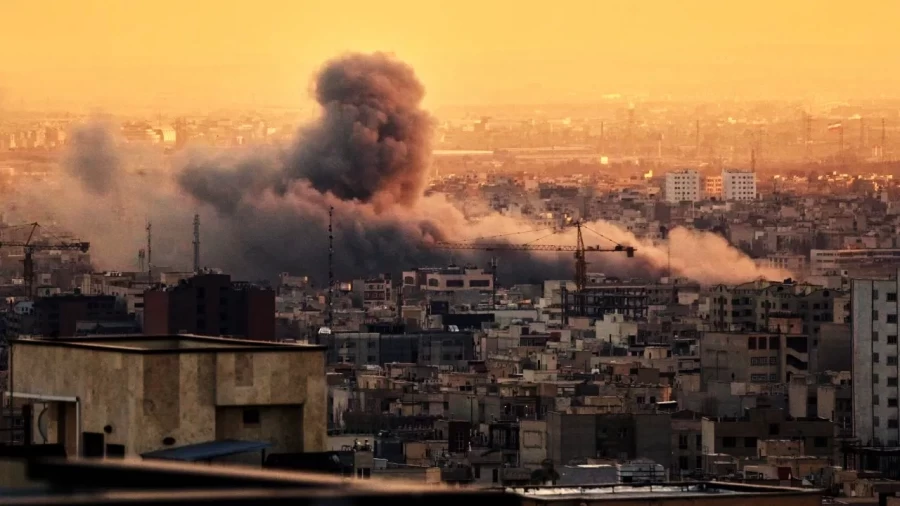
Despite the historical similarities, the current conflict is Importantly more complex than the twelve-day war of 2025. The present hostilities have expanded to involve over a dozen countries, leading to major disruptions in Gulf energy exports. On top of that, the situation is exacerbated by the deaths of American service members and the heightened tensions in Tehran following the death of Supreme Leader Ayatollah Ali Khamenei. While the previous conflict was geographically and politically contained, the current escalation has broader regional implications that make a swift resolution more challenging.
Iran’s Defiant Stance and Internal Political Climate
Tehran has shown little immediate interest in halting the military operations. Iranian President Masoud Pezeshkian adopted a defiant tone in response to the international pressure, suggesting that mediators should focus their efforts on those who "ignited the fire" by underestimating the Iranian people. This rhetoric indicates that the Iranian leadership is currently focused on domestic stability and regional retaliation rather than immediate diplomatic concessions. The internal political climate in Iran remains volatile, further complicating the prospects for an unconditional surrender as demanded by the US President.
Diplomatic Challenges and Qatar’s Role as a Mediator
The role of Qatar, which served as a key mediator in previous conflicts, is currently under strain, while following Iranian drone strikes on its Ras Laffan facility, Qatar was forced to declare Force Majeure on its LNG exports, focusing its resources on managing its own internal energy crisis. This has raised questions about whether Qatar possesses the diplomatic bandwidth to facilitate a complex ceasefire agreement at this time. With only a few days remaining until March 12, no international entity has yet stepped forward to officially confirm the start of formal ceasefire negotiations.
