

- India,
- 09-Apr-2026 07:10 PM IST


The head of the United Arab Emirates' state-owned oil giant has voiced strong opposition to the weaponization of the Strait of Hormuz. Sultan Al Jaber, CEO of the Abu Dhabi National Oil Company (ADNOC), stated that the use of such a critical international waterway as a tool for political benefit from is unacceptable. This development follows increasing tensions in the Gulf region regarding the control and safety of maritime trade routes.
Strong Objection to Waterway Weaponization
Sultan Al Jaber criticized Iran's approach toward the Strait of Hormuz, emphasizing that the strategic corridor must remain open for global trade. According to Al Jaber, the international community can't tolerate the transformation of essential shipping lanes into instruments of coercion. He stressed that the stability of global energy markets depends on the unhindered flow of resources through this vital passage.
The Crisis of 230 Stranded Oil Tankers
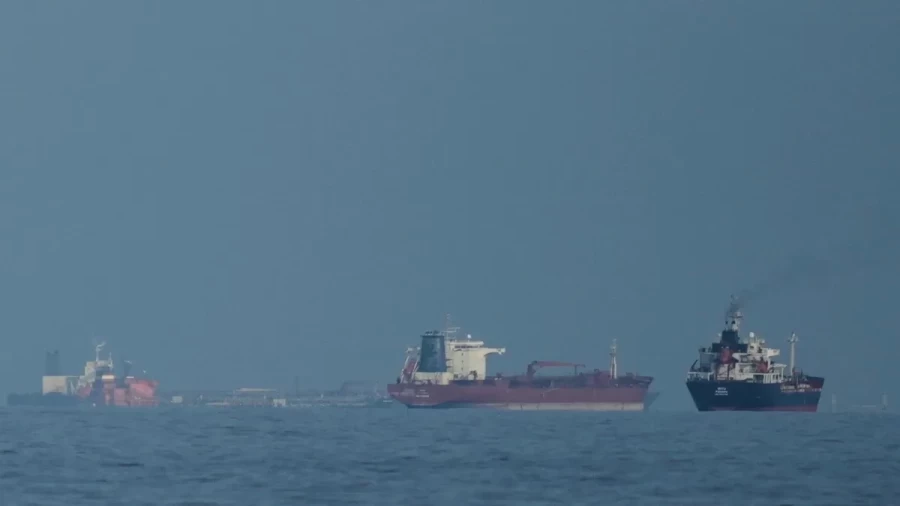
According to reports, approximately 230 oil-laden vessels are currently waiting to pass through the Strait of Hormuz. Al Jaber highlighted that the movement of these ships is now effectively under Iranian control, subject to specific conditions and permissions. He described the current situation as a form of coercion rather than freedom of navigation, noting that the backlog poses a significant challenge to international logistics and energy security.
Demand for Unconditional Freedom of Navigation
The UAE has maintained that no single nation has the legitimate right to dictate the terms of passage through international waters, while al Jaber asserted that navigation shouldn't be contingent upon political pressure or specific permissions. According to officials, the UAE demands that all vessels be allowed to transit the corridor without any preconditions, adhering strictly to established international maritime norms.
European Union's Stance on International Law
The European Union has joined the UAE in calling for the protection of maritime rights. EU spokesperson Anwar Al Anouni stated that international law provides for the freedom of navigation, which inherently means transit without tolls or payments. The EU's intervention comes amid signals from Iran that it might consider charging fees for vessels passing through the Gulf waterway, a move the EU considers a violation of public interest.
The Dispute Over Potential Transit Tolls
The possibility of Iran imposing transit fees on ships using the Strait of Hormuz has triggered widespread international concern. EU officials have clarified that freedom of navigation is a global public good that must be ensured without financial barriers. The dispute highlights the growing friction between regional powers and international bodies over the legal status and operational control of one of the world's most important oil transit chokepoints.
