

- India,
- 07-Mar-2026 09:31 PM IST


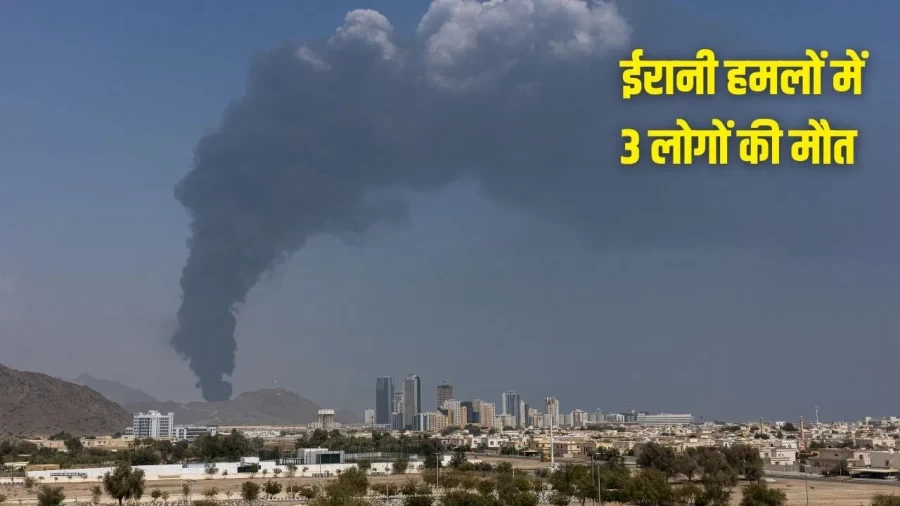
In a significant escalation of Middle East tensions, the United Arab Emirates (UAE) has faced a series of large-scale aerial attacks from Iran. According to official data released by the UAE Ministry of Defense, the latest wave involved 16 ballistic missiles and 121 unmanned aerial vehicles (UAVs), commonly known as drones. The UAE's air defense systems were activated to counter these threats, marking a critical juncture in regional security. Officials have confirmed that the majority of these projectiles were successfully neutralized before reaching their intended targets.
Latest Escalation and Air Defense Interception Details
According to the UAE Ministry of Defense, the most recent attack saw Iran launching 16 ballistic missiles toward UAE territory. The nation's advanced air defense network successfully intercepted and destroyed 15 of these missiles in mid-air. One missile reportedly fell into the sea, resulting in no casualties or structural damage. Regarding the drone swarm, 121 UAVs were detected heading toward the UAE. Air defense units managed to intercept 119 of these drones, while 2 drones impacted UAE soil. The ministry highlighted the effectiveness of its multi-layered defense strategy in preventing widespread destruction during this specific engagement.
Cumulative Impact and Statistics Since February 28
The UAE Ministry of Defense has provided a comprehensive breakdown of the attacks recorded since February 28. According to the official report, Iran has launched a total of 221 ballistic missiles during this period. Out of these, 205 missiles were successfully intercepted by the UAE's defense systems. Fourteen missiles landed in the sea, and only 2 missiles managed to hit the ground within the UAE. Defense experts noted that the financial cost of operating these air defense systems to counter Iranian missiles and drones has reached significant levels, reportedly exceeding the total annual defense budgets of several smaller nations.
Drone and Cruise Missile Engagements
The scale of drone warfare in this conflict has been extensive. Official figures indicate that a total of 1305 drones have been launched by Iran toward the UAE since the start of the current hostilities. The UAE air defense systems successfully neutralized 1229 of these drones in flight, while 76 drones fell in various parts of the country. Also, the defense ministry confirmed the interception and destruction of 8 cruise missiles. The frequent use of drones has prompted the UAE to further strengthen its surveillance and electronic warfare capabilities to mitigate the threat posed by low-flying and autonomous aerial systems.
Casualties and International Impact
The ongoing attacks have resulted in the deaths of three individuals. According to official records, the deceased include citizens from Pakistan, Nepal, and Bangladesh. Plus, 112 people have sustained injuries of varying degrees. The injured list reflects the diverse international workforce in the UAE, including nationals from India, Pakistan, Bangladesh, Sri Lanka, Egypt, Ethiopia, the Philippines, Iran, Azerbaijan, Yemen, Uganda, Eritrea, Lebanon, Afghanistan, Bahrain, Comoros, and Turkey. Most of the injured received immediate medical attention for minor wounds, and the government is monitoring their recovery closely.
Regional Tensions and Diplomatic Context
The military situation is unfolding against a backdrop of heightened diplomatic friction. Recent social media comments by former US President Donald Trump have added to the regional volatility, while " This comes amid reports of internal dissatisfaction within Iran regarding the President's perceived conciliatory tone. The UAE Ministry of Defense has reaffirmed its readiness to handle all threats, stating that the military remains fully prepared to defend the nation's security, stability, and sovereignty against any form of external aggression.
