

- India,
- 06-Aug-2025 06:00 PM IST


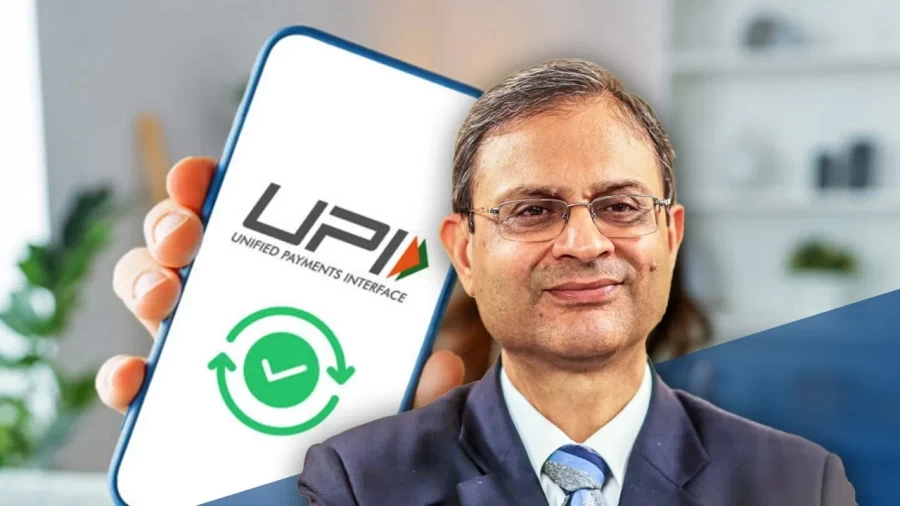
Reserve Bank Of India: Reserve Bank of India (RBI) Governor Sanjay Malhotra has recently made a big statement regarding the free service of Unified Payment Interface (UPI), which has raised questions on the future of digital payments. In a press conference after the Monetary Policy Committee (MPC) meeting, he clarified that there is a cost to running UPI, and this cost will have to be borne by someone.
Question on free service of UPI
Governor Malhotra said, "I never said that UPI will always be free. There are costs associated with this service, and someone will pay it." This statement indicates a big change in the world of digital payments. UPI, which has become synonymous with digital transactions in India, is known for its free and fast service till now. But this statement of the governor has raised the question whether this model is sustainable in the long run?
Who will bear the cost burden?
The governor stressed that making the UPI system sustainable is the biggest priority. He clarified that whether the cost is paid by the government, banks, merchants or consumers, it has to be ensured that the system runs without interruption. He said, "Any service is sustainable only when its cost is covered." This statement indicates that in future there may be a fee on UPI transactions, which can be passed on to consumers, merchants or banks.
End of zero cost model?
This is not the first time that the RBI governor has raised concerns about the cost of UPI. At the Financial Express BFSI Summit in July 2025, he had said that the zero-cost model of UPI cannot last for long. Currently the government is subsidizing this service, due to which there is no burden of direct cost on banks and other companies. But as the number of UPI transactions is increasing, the cost is also increasing rapidly. This situation may put the subsidy model under further pressure in future.
ICICI Bank starts fee
Meanwhile, taking an important step, ICICI Bank has started levying processing fee on UPI transactions. According to a report by ET, ICICI Bank is now charging payment aggregators (PAs) a fee based on the transaction. If the PA has an escrow account with ICICI Bank, a fee of up to 2 basis points (₹0.02 on ₹100) will be charged, up to a maximum of ₹6 per transaction. At the same time, PAs who do not have an escrow account with ICICI will be charged up to 4 basis points, up to a maximum of ₹10 per transaction. However, if the merchant has an account with ICICI Bank and the transaction is done from the same account, there will be no fee.
What will be the impact on consumers?
This move by ICICI Bank could be a sign for the future of UPI. If other banks also implement similar charges, it could put an additional burden on consumers and small merchants. Experts believe that a major reason for the popularity of UPI has been its free service. If the fee is implemented, it could affect the pace of digital payments, especially in areas where cash transactions are still prevalent.
What in the future?
The RBI governor's statement and ICICI Bank's move indicate that the UPI model is going to change. The government, banks and other stakeholders will have to decide together how and who will bear this cost. Experts suggest that to reduce the cost, focus will have to be on technological innovation and better infrastructure. Also, consumers will also have to be prepared for this change.
UPI has taken digital payments to new heights in India, but a balance of cost and revenue is necessary for its sustainable future. Whether UPI will remain free or will be fee-based will be clear in the coming times. But it is certain that some big decisions will have to be taken to maintain this digital revolution.
