
- India,
- 23-Jul-2026 12:11 PM IST



15 trillion dollar defense budget for the upcoming fiscal year. This record-breaking defense bill, which translates to approximately 111 lakh crore rupees, represents a monumental investment in national security and global military dominance. The scale of this budget is so vast that it dwarfs the entire economic output of the majority of the world's nations, highlighting the immense gap between the United States and other global players in terms of military spending and strategic capabilities.
A Budget Larger Than Most Economies
15 trillion dollars into perspective, one must look at the global economic landscape. There are approximately 195 recognized countries in the world today. According to data from the International Monetary Fund (IMF) and the World Bank, only 17 countries possess a Gross Domestic Product (GDP) that exceeds this single-year American defense budget. This elite group includes economic powerhouses such as the United States itself, China, Germany, Japan, India, the United Kingdom, France, and Italy. This means that the total annual production and earnings of about 178 countries are less than what the United States plans to spend solely on its military and defense sectors. This comparison underscores the sheer magnitude of American financial commitment to its armed forces.
Comparison with Regional Neighbors: Pakistan and Bangladesh
When comparing this defense budget to the economies of South Asian nations, the figures become even more startling, while the total GDP of Pakistan is estimated to be between 350 billion dollars and 370 billion dollars. 2 times the size of Pakistan's entire economy. In simpler terms, everything that Pakistan produces across its agriculture, industry, IT, and service sectors in a full year is less than one-third of what the US spends on its Army, Navy, Air Force, and advanced weaponry. 5 times larger than the entire Bangladeshi economy.
Global Military Spending Share
4 trillion dollars. 15 trillion dollars, the United States alone accounts for nearly 40 percent of the total military spending of the entire world. This concentration of financial resources allows the US to maintain a technological and operational edge that's unparalleled. The budget isn't just for maintaining existing forces but is heavily focused on modernization, research, and preparing for future conflicts in increasingly volatile regions.
Strategic Allocations: Where the Money Goes
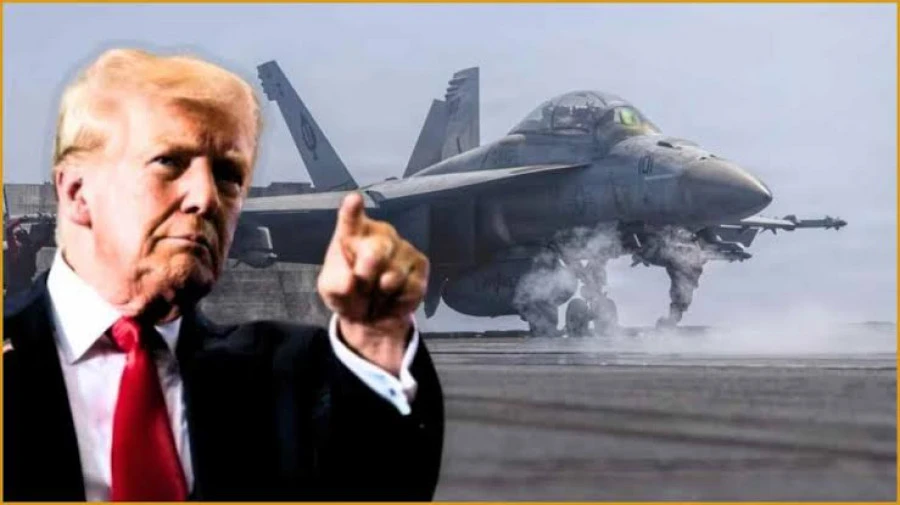
15 trillion dollar budget is meticulously allocated across several critical areas of concern. A significant portion is reserved for security in the Middle East and addressing tensions with Iran. This includes emergency funds for potential military confrontations and securing vital maritime routes in the Red Sea, which have seen increased threats recently, while Plus, the budget places a heavy emphasis on the Indo-Pacific region to counter the growing influence of China. This involves the modernization of the Navy and the development of long-range missiles to maintain a presence in the Taiwan Strait and the South China Sea.
Next-Generation Warfare and Technology
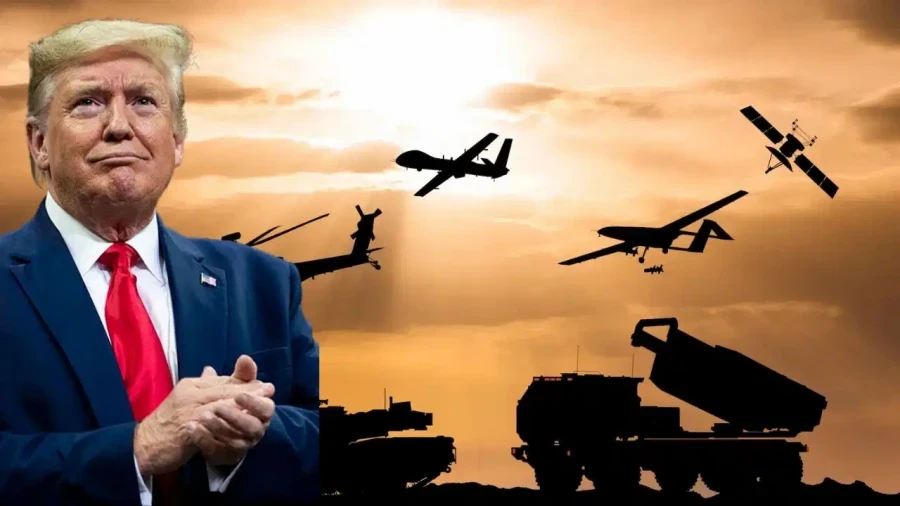
Investment in the future of warfare is a cornerstone of this defense bill, while billions of dollars are earmarked for Artificial Intelligence (AI) and hypersonic weapons. This includes the development of AI-driven drones, enhancing cyber warfare capabilities, and perfecting hypersonic missile technology to ensure that the US remains ahead in the global arms race. Also, a substantial amount is dedicated to the modernization of the Nuclear Triad, which consists of land-based intercontinental ballistic missiles, submarine-launched missiles, and strategic bombers, while this ensures that the American nuclear deterrent remains credible and technologically advanced.
Impact on Global Politics and India
The massive increase in US military spending has profound implications for global politics. It signals an intensifying arms race between the US and China, which could complicate global security equations in the coming years, while for India, a strong US defense-industrial base is seen as a positive factor. It facilitates technical cooperation and helps maintain a strategic balance in the Indo-Pacific region. However, increased military activity in the Middle East could impact global supply chains and crude oil prices, which are critical for the Indian economy. The budget reflects a world where geopolitical tensions are rising, and the US is determined to maintain its military supremacy at any cost.