- India,
- 11-Sep-2026 08:44 AM IST



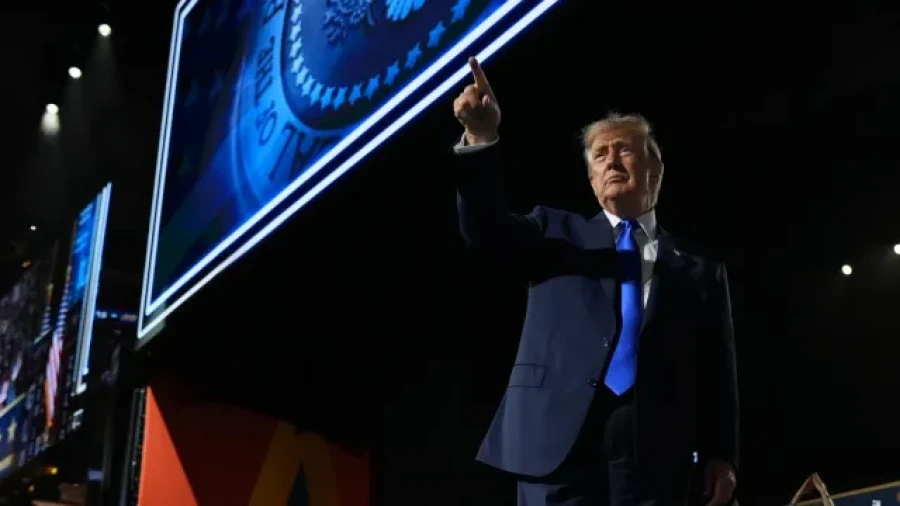
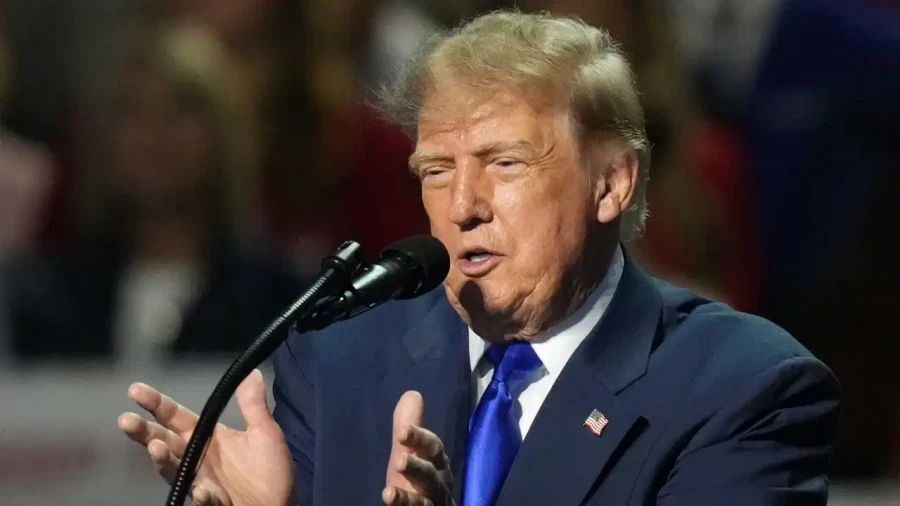
In the landscape of modern elections, traditional discussions regarding employment, inflation, security, and infrastructure development are increasingly being supplemented, and sometimes overshadowed, by promises of direct financial benefits. As elections approach, political parties often pivot towards strategies that offer immediate relief to voters, ranging from monthly cash transfers to free electricity, water, and travel. These measures, commonly known as freebies, have become a central theme in global politics. S. President Donald Trump made a significant electoral announcement that has brought this debate back to the forefront. Trump has declared that if the Republican Party maintains control over both the House of Representatives and the Senate in the upcoming November midterm elections, every adult American citizen will be granted a 5,000 dollar Trump Dividend. This amount, which roughly converts to 4 to 5 lakh Indian rupees, highlights a growing trend where leaders attempt to establish a direct financial connection with the electorate.
The Trump Dividend and Its Strategic Significance
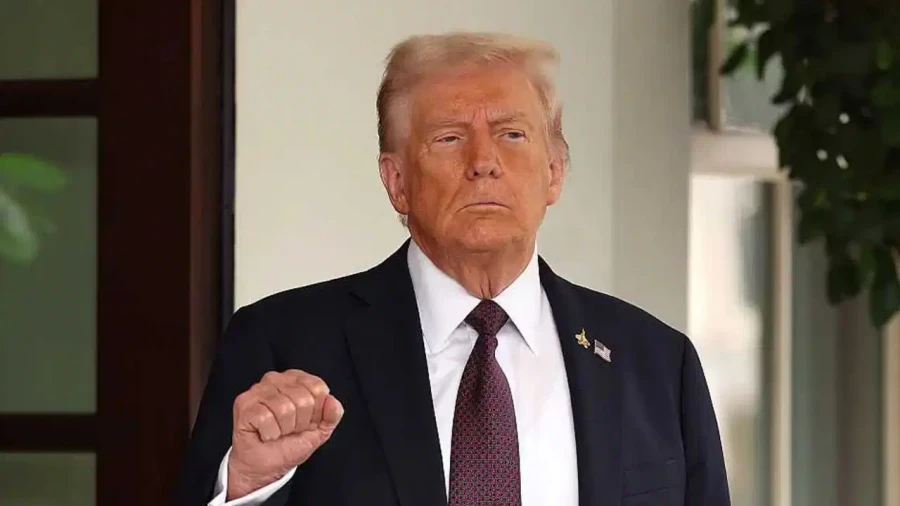
Donald Trump's announcement on September 9, 2026, regarding the 5,000 dollar dividend is a prime example of this electoral strategy. He specified that this payment would be contingent on the Republican Party retaining its grip on both houses of Congress. The estimated cost of such a massive undertaking is projected to exceed 1 trillion dollars. This promise isn't just about economic assistance; it carries a heavy political message. By promising to deposit money directly into the pockets of citizens, Trump is attempting to create a tangible link between government policy and personal financial gain. This move comes at a time when the administration is facing political pressure over issues such as rising inflation and the conflict with Iran. The proposal aims to shift the focus towards direct economic benefits, potentially influencing voter sentiment in a highly competitive political environment.
Global Research on Cash Transfers and Voting Behavior
The impact of cash transfers and welfare schemes on voting behavior has been a subject of extensive research across various countries. While the results vary, there is significant evidence suggesting that these programs can influence electoral outcomes. In Mexico, studies on programs like Progresa or Oportunidades, which provided cash assistance to poor families, found that areas receiving benefits earlier saw an increase in voter turnout and a higher vote share for the incumbent party. Similarly, in the United States, the state of Alaska provides a Permanent Fund Dividend from its oil revenues. 4 percent increase in voter turnout, indicating a clear link between direct economic gain and political participation.
Evidence from the Philippines and Brazil
The Philippines offers another compelling example with its Pantawid Pamilyang Pilipino Program (4Ps), which provides cash assistance to impoverished households. Studies on the electoral impact of this program revealed that in areas where political competition was intense, the incumbent candidate received 26 percentage points more votes in regions covered by the cash transfer scheme. In Brazil, the Bolsa Familia program, one of the world's most famous cash transfer initiatives, showed similar trends. During the elections of 2002, 2006, and 2010, the incumbent presidential candidates performed Importantly better in regions where the program had a wider reach. However, researchers noted that while these schemes influenced immediate voting choices, they didn't necessarily change the long-term party preferences of the voters.
The Indian Context: From Subsidies to Direct Cash
In India, the politics of freebies has evolved from providing free electricity, water, and rations to direct cash transfers into bank accounts. This shift is particularly evident in schemes targeting women, where monthly payments of 1,000 to 2,000 rupees have become a staple of electoral manifestos. By 2025, approximately 15 states and Union Territories were implementing direct cash transfer schemes for women, covering nearly one-fifth of the adult female population. These programs are designed to reduce household expenses and ensure that the benefits of government schemes reach the voters directly without intermediaries, while during the 2025 Bihar elections, such cash transfer schemes were a major point of discussion and were closely linked to the electoral results. According to reports by Reuters, 14 states have spent nearly 2 lakh crore rupees on such schemes over the past two years.
Case Studies: Pakistan, South Africa, and Iran
Other nations have also adopted large-scale cash transfer models. In Pakistan, the Benazir Income Support Programme (BISP) is the primary initiative for providing cash assistance to poor families. World Bank data highlights Pakistan as one of the countries that implemented massive cash transfers during the COVID-19 pandemic. South Africa utilizes schemes like the Child Support Grant and Old Age Pension to provide regular financial aid to vulnerable populations, aiming to reduce poverty while also creating a social and political impact. Iran adopted a unique model by providing direct cash payments to a large portion of its population following subsidy reforms. This was intended to mitigate the impact of removing old subsidy systems and remains one of the most discussed examples of large-scale direct cash transfers globally.
How Freebies Influence the Electoral Game
There are several reasons why freebies and cash transfers are effective in changing the electoral landscape, while first, the benefit is felt directly; when money arrives in a bank account, the voter sees the government's work in their daily life. Second, it establishes a direct relationship between the citizen and the government, reducing the role of middlemen and allowing the government to take full political credit, while third, these schemes have a profound impact on female voters, who have become a crucial demographic in recent elections. Fourth, financial benefits can mobilize voters and encourage higher turnout, as seen in Mexico and Alaska. Finally, it often forces the opposition to enter the same game, leading to a competition of who can offer more, shifting the focus from long-term development to immediate gains.
The Economic Risks and Limitations
Despite their political effectiveness, freebies come with significant downsides. The increasing expenditure on such schemes puts immense pressure on the national and state treasuries, often leaving less money for essential development projects like infrastructure, education, and healthcare. The Economic Survey of 2025-26 in India expressed concerns over the rising trend of unconditional cash transfers, warning about the potential impact on future developmental spending and fiscal stability. Also, freebies aren't a guaranteed path to victory. Voters also consider factors such as caste, ideology, leadership, local issues, inflation, and the overall track record of the government. Because of this, while a 5,000 dollar promise or a monthly stipend can influence a voter, it's rarely the sole factor in determining the final outcome of an election.