
- India,
- 10-Sep-2026 12:32 PM IST



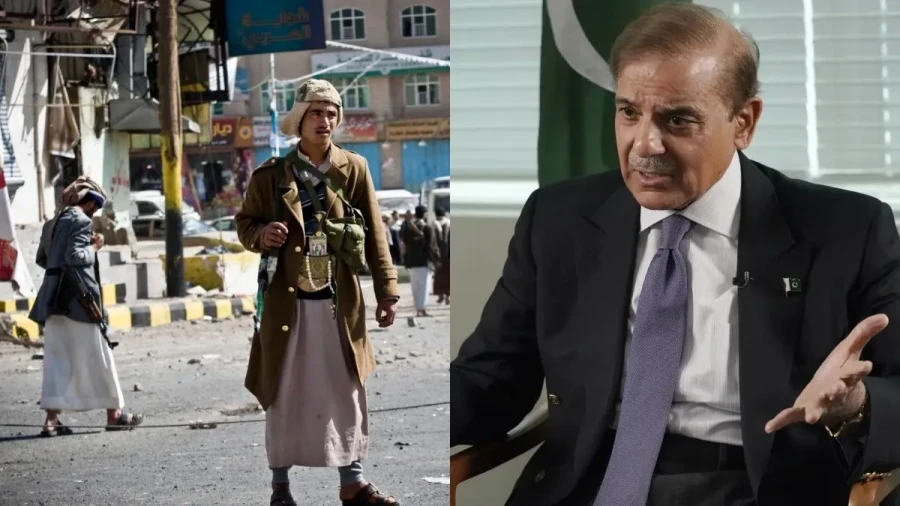
The geopolitical landscape of the Middle East has witnessed a significant escalation in tensions following recent Houthi rebel attacks on Saudi Arabia. This development has prompted a sharp reaction from Pakistan, which has issued a formal warning to Iran, while the situation intensified after Houthi rebels launched strikes on Saudi Arabian territory, resulting in injuries to 73 individuals. In response to these provocations, Saudi Arabia conducted retaliatory airstrikes within Yemen, targeting Houthi positions. Pakistan's intervention comes at a critical juncture, as it seeks to uphold its strategic commitments in the region while addressing the growing threat posed by non-state actors. The injuries to 73 people have marked a serious escalation in the conflict, leading to immediate diplomatic and military repercussions across the region.
Pakistan's Warning and the Defense Pact
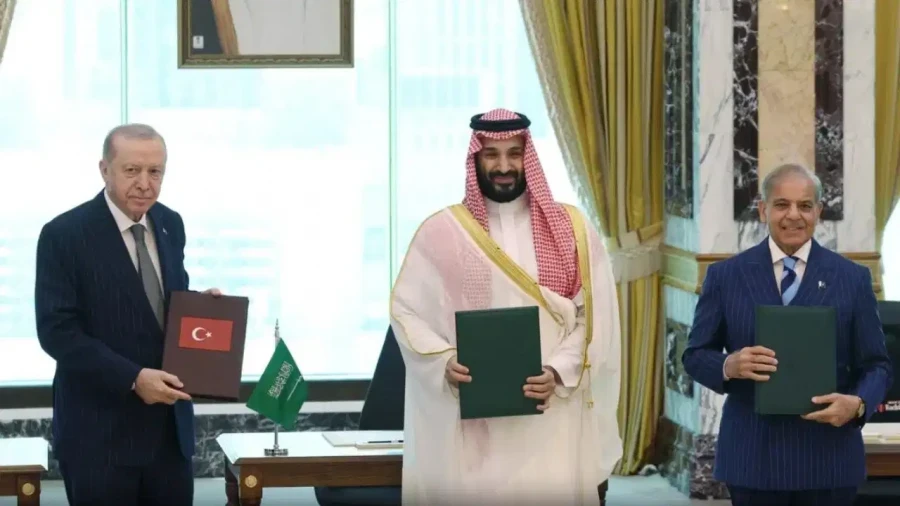
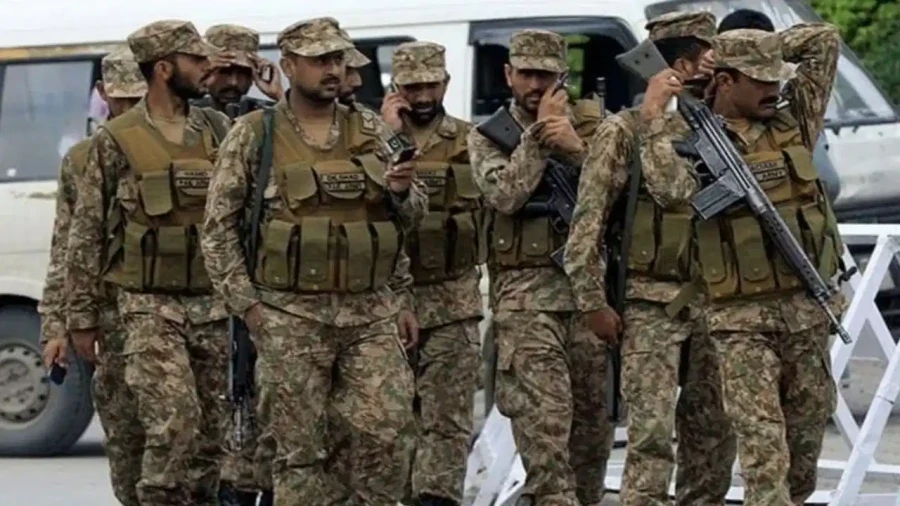
Pakistan has explicitly cited its defense pact with Saudi Arabia as the basis for its stern communication to Iran. The Pakistani government has urged Tehran to exercise its influence over the Houthi rebels to prevent further aggression against the Kingdom. According to the terms of the bilateral defense agreement, Pakistan has indicated that any attack on Saudi Arabia could trigger the activation of this pact. This message serves as a clear signal that Pakistan views the security of Saudi Arabia as a priority and is prepared to honor its military obligations if the situation continues to deteriorate. The warning to Iran underscores the belief that the Houthis operate with significant support from Tehran, making Iranian intervention necessary for regional stability, while pakistan has made it clear that the defense pact isn't merely a symbolic agreement but a functional commitment that could lead to direct involvement if the sovereignty of Saudi Arabia is repeatedly challenged.
The Strategic Capture of Mocha
In a parallel development on the ground in Yemen, Houthi rebels have successfully captured the city of Mocha. Mocha is a vital coastal city located near the Red Sea, and its geographical position makes it a strategic asset of immense importance, while the capture of Mocha by Houthi forces is seen as a major shift in the conflict, as it provides the rebels with a significant foothold along the coast. This move has raised alarms internationally, particularly regarding the security of maritime routes. The control of Mocha allows the Houthis to exert greater influence over the surrounding waters, which are essential for global trade and energy supplies, while the fall of this city to the rebels isn't just a local military victory but a strategic maneuver that changes the dynamics of the war in Yemen and the security of the broader Red Sea region.
Tensions in the Bab-al-Mandeb Strait
The capture of Mocha has direct implications for the Bab-al-Mandeb Strait, one of the world's most critical maritime chokepoints. This strait connects the Red Sea to the Gulf of Aden and serves as a primary route for international shipping and oil transport, while with the Houthis now in control of Mocha, their proximity and access to the Bab-al-Mandeb Strait have increased Notably. This has led to heightened concerns about the safety of vessels passing through the region. Any disruption in this area could have a profound impact on international maritime trade, affecting the movement of goods and the stability of global markets. The increased presence of Houthi rebels near this strategic waterway is viewed as a direct threat to the freedom of navigation and the security of the global economy.
Regional Implications and the Defense Alliance
The ongoing attacks by the Houthis on Saudi Arabia have also raised questions about the effectiveness of existing defense alliances, including the pact involving Pakistan, Saudi Arabia, and Turkey. Observers are closely monitoring whether these agreements will translate into concrete action as the conflict escalates. The retaliatory airstrikes by Saudi Arabia in Yemen demonstrate the Kingdom's resolve to defend its territory, but the persistent nature of Houthi attacks suggests a prolonged and complex struggle. Pakistan's direct warning to Iran highlights the diplomatic pressure being applied to resolve the crisis, while the international community is now focused on how Iran will respond to Pakistan's demands and whether the Houthi rebels will continue their offensive or face further military and diplomatic consequences. The situation remains fluid, with the potential for further escalation in the Red Sea and across the Middle East.