
- India,
- 10-Sep-2026 09:11 AM IST



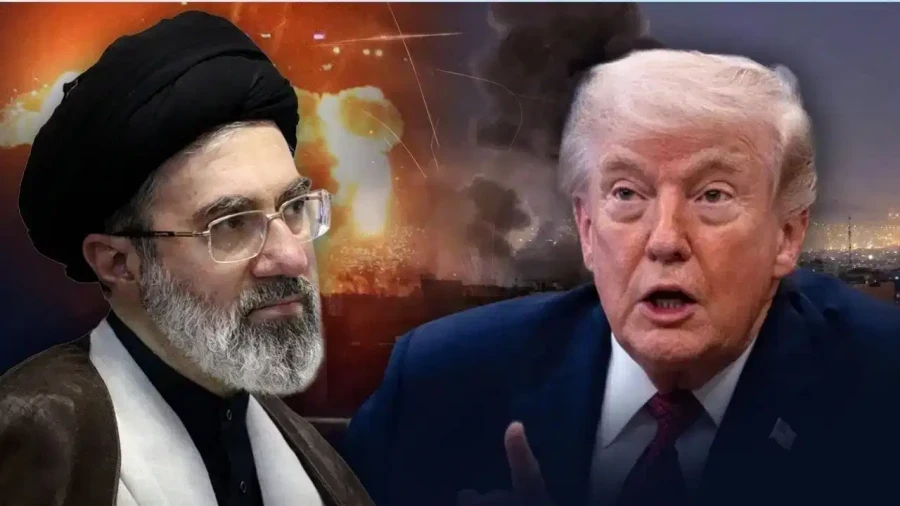
United States President Donald Trump has made a significant announcement regarding the ongoing conflict with Iran, asserting his belief that the war will reach its conclusion shortly after the upcoming midterm elections scheduled for November. During a recent interaction, the President highlighted that the timing of the conflict's resolution is closely tied to the political calendar of the United States. Trump claimed that the Iranian leadership is currently desperate to exert influence over these crucial elections, which will determine the balance of power within the American government.
Allegations of Election Interference
President Trump explicitly accused Iran of attempting to sway the outcome of the midterm elections. According to his assessment, the Iranian government is eager to see a specific result that would favor their interests. Trump suggested that Iran is trying its best to influence the polls so that a group of people he described as weak could come into power. While he didn't name them directly in every instance, his remarks clearly pointed toward the Democratic Party. He argued that Iran believes a weaker administration would leave them alone and potentially allow them to retain their nuclear weapons capabilities.
Stance on Negotiations and Deals
Regarding the possibility of diplomatic engagement, President Trump clarified that he isn't currently considering any talks with the Iranian leadership. He stated that while he initially had an interest in reaching a deal, the situation has evolved Importantly, while trump noted that Iran now has very few allies or countries left to support them, which has changed the strategic landscape. He remarked, "To be honest, we don't want to do that. Initially, I wanted to make a deal, while now the situation has changed so much that they've very little country left, meaning Iran now has very few allies or supporting countries left. " Although he admitted that talks could happen in the future, he emphasized that it isn't something being considered at this moment.
Political Pressure and the Texas Convention
These statements come at a time when President Trump is facing considerable pressure from within his own Republican Party. As he travels to Texas for the party's first convention ahead of the midterms, the President is navigating a complex political environment, while there is a growing demand from within the GOP to bring the conflict with Iran to an end, especially as his popularity ratings have seen a decline. The midterm elections are seen as a pivotal moment that could shift the power dynamics in Washington, making the resolution of international conflicts a key issue for voters and party members alike.
Impact on Oil Prices
The conflict in the Middle East has had a direct and visible impact on global energy markets. On Wednesday, oil prices surged to 100 dollars (74 pounds), marking the first time they've reached this level since July. This spike is largely attributed to the escalating tensions and fighting in the region. However, President Trump offered a reassuring prediction for consumers and the economy. He told reporters that oil prices would drop rapidly immediately after the election. He estimated that this decline would occur shortly after the midterm polls, suggesting that the current high prices are temporary and linked to the geopolitical uncertainty surrounding the election period.
Duration of the Conflict
The war with Iran has now entered its seventh month, a duration that far exceeds the President's initial projections. When the conflict first began, Trump had estimated that it would only last for a few weeks. The prolonged nature of the fighting has added to the domestic political pressure and has made the upcoming elections a focal point for the administration's foreign policy strategy. Trump reiterated that the current circumstances don't warrant a new deal or the initiation of talks, as the United States maintains its position while waiting for the post-election period to resolve the situation.