Breaking News
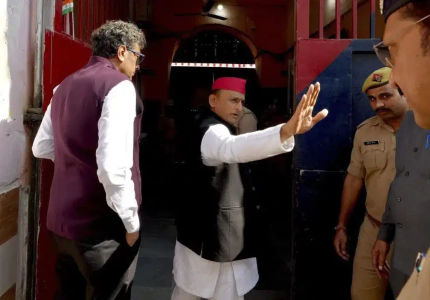
Akhilesh Yadav Meets Azam Khan in Rampur Jail, Slams Government Over Weaponizing Corrupt Officers
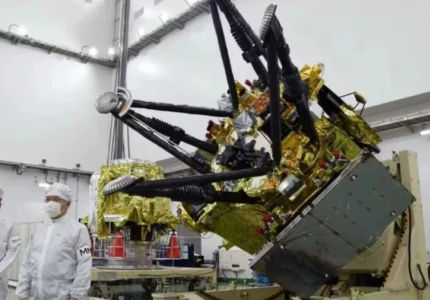
Japan Set to Make History: First-Ever Mission to Land on Mars Moon Launching on October 20
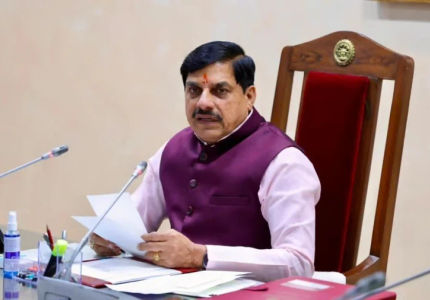
Major Action By CM Mohan Yadav On Gwalior Accident, CSP Removed And Eight Police Personnel Suspended With Four Lakh
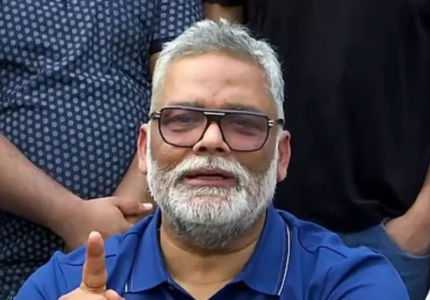
Cut off eve teasers hand and get two lakh rupees reward - Pappu Yadav at Khurda Mahotsav
Stepmother Abuse, Rebellion Against Husband and Underworld Ties: Who is Shraddha Dubey?
Kolkata Tragedy: 18 Dead and 45 Injured in Stampede at Chorbagan Durga Puja Pandal
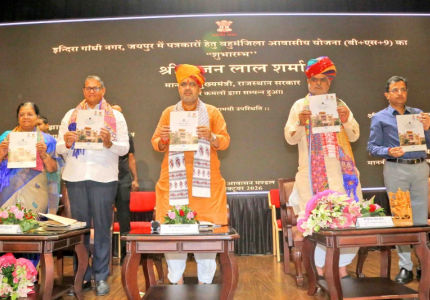
CM Bhajanlal Sharma launches special housing scheme for journalists with massive discounts on flats
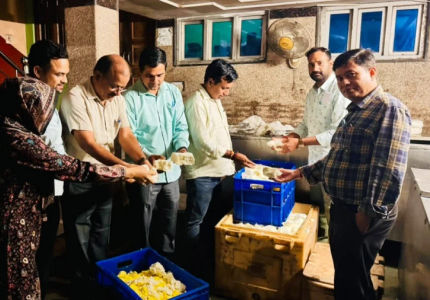
Major Crackdown on Adulteration: 520 Kg Cheese Destroyed and Notices Issued to Multiple Establishments in Jaipur
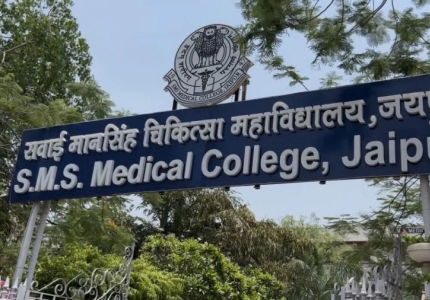
Major Controversy Erupts Over Unauthorized Private Counseling at SMS Medical College Jaipur, FIR Lodged
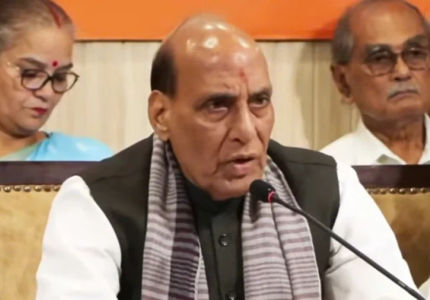
Rajnath Singh Slams Congress: Allegations of Bangladesh Style Regime Change Plot