
- India,
- 31-Aug-2026 07:09 AM IST



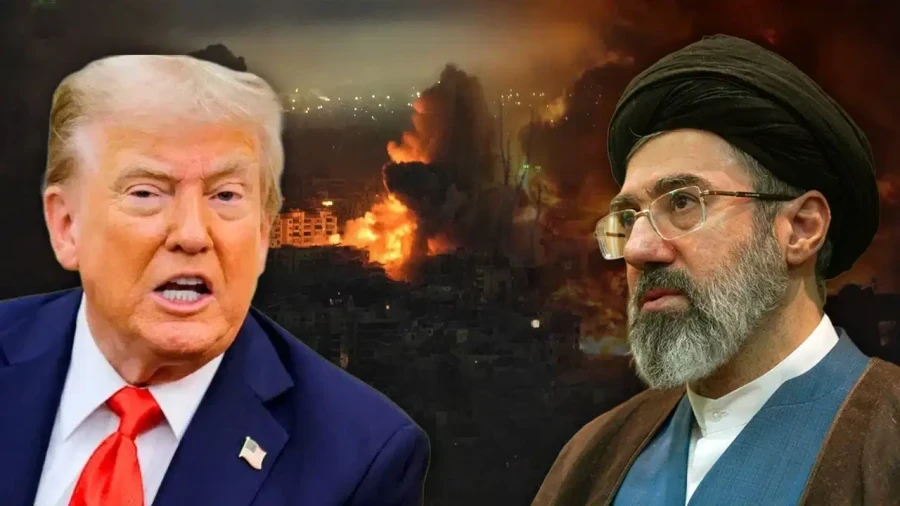
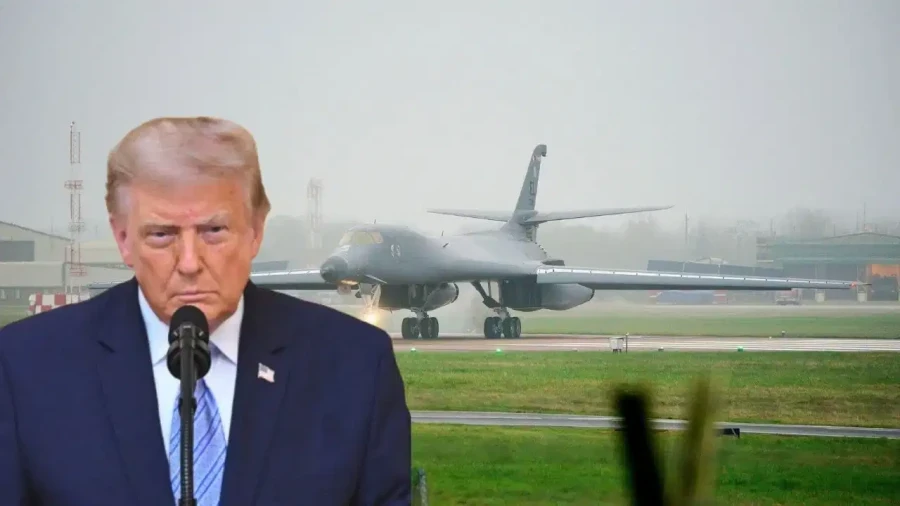
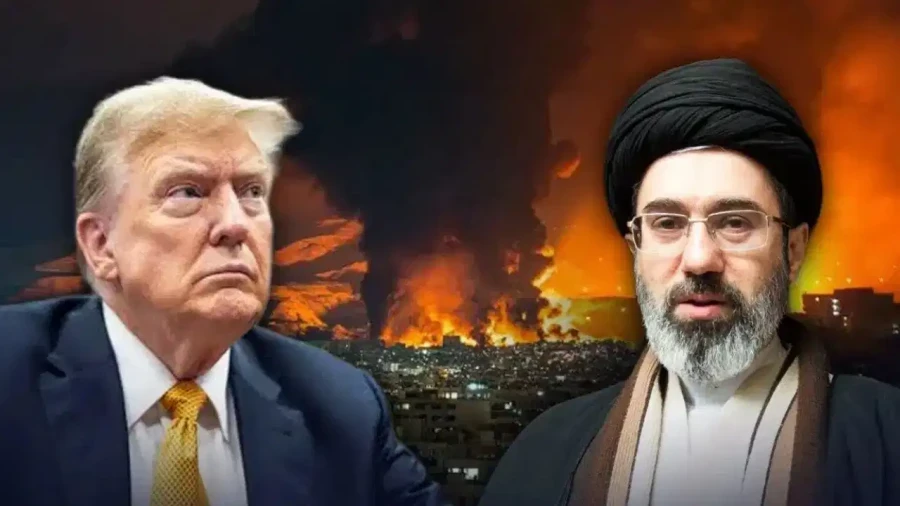
The geopolitical landscape of the Middle East has witnessed a sharp escalation as the United States military launched a significant strike against Iranian positions on Larak Island, ending a 32 day period of relative calm. This military action, the first of its kind in over a month, targeted Iranian rocket launchers situated in the strategic Strait of Hormuz, while the strike has effectively shattered the fragile peace that had persisted during the intermittent conflict spanning more than six months. In immediate retaliation, Tehran launched strikes against American installations in Jordan and targeted US naval vessels, leading to the confirmed deaths of 2 individuals.
The Strategic Strike on Larak Island
According to Tim Hawkins, a spokesperson for the US Central Command, the operation was initiated after intelligence observed members of the Revolutionary Guard Corps (IRGC) preparing to launch rockets and deploy sea mines (C-mines) within the Strait of Hormuz. This development came just one week after the US military had successfully completed an operation to clear sea mines from international shipping routes in the Strait. The presence of these mines and launchers posed a direct threat to global maritime commerce, prompting the American response on Sunday, while this marks the first major confirmed US strike since 29 July, when a massive wave of attacks targeted dozens of Revolutionary Guard sites, including coastal surveillance and defense installations.
Iran's Retaliation and the Human Cost
The Iranian state broadcaster released a statement from the Revolutionary Guard confirming that several of its fighters and citizens were martyred or injured during the American assault. The return to open conflict is viewed as a dangerous development for the region, where Iran has consistently targeted US military bases and infrastructure across Gulf nations since the war began on 28 February. Following the Larak Island strike, Iran's retaliatory measures against US assets in Jordan and maritime targets have already resulted in 2 deaths, signaling a potential cycle of escalating violence.
Shift in US Strategy: Economic Pressure vs Military Action
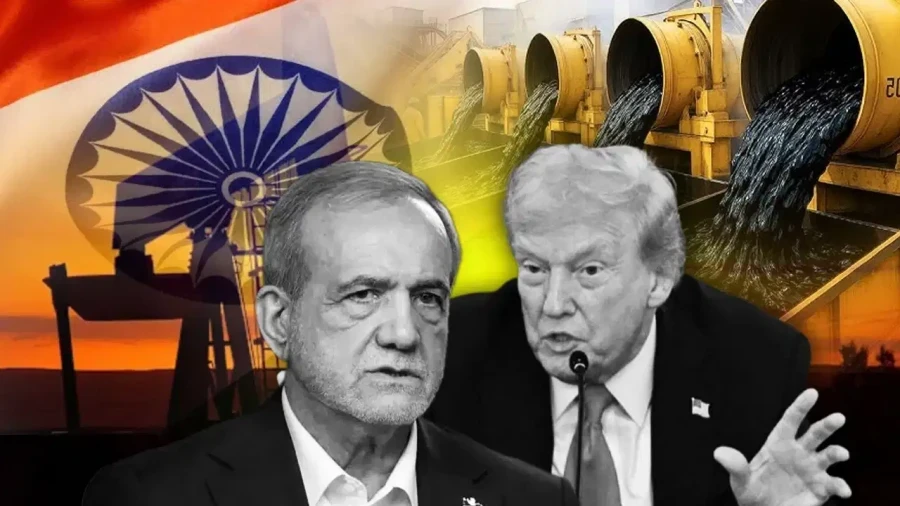
This latest military engagement occurs amidst a stated shift in the Trump administration's strategy. Previously, on 1 August, President Donald Trump had indicated that at the request of Gulf allies—including Qatar, Saudi Arabia, and the United Arab Emirates—he would order the military to halt new strikes. The administration had signaled a preference for increasing economic pressure over direct military confrontation to end the conflict with Iran, while this strategy involves threatening sanctions against any country or entity that continues to trade with Tehran. However, General Hossein Mohebi, a spokesperson for the Guard, characterized Sunday's attack as a fatal mistake by the Trump government during an ongoing economic war, warning that the enemy would face both military and economic consequences.
Concerns Over US Military Readiness
The decision to lean toward sanctions also stems from internal concerns regarding the depletion of US weapon stockpiles after months of active warfare. There are growing fears that a prolonged conflict with Iran could undermine the readiness of the US military in other parts of the world. Despite these concerns, President Trump has maintained that he's in no hurry to bring Iran back to the negotiating table, asserting that the leadership of the Islamic Republic is in a difficult position. Meanwhile, recent appointments within Iran's senior security leadership suggest a hardening of Tehran's stance and a lack of tolerance for internal dissent, even after decades of facing international sanctions.
Economic Devastation and the Strait of Hormuz
President Trump has repeatedly emphasized that the joint US and Israeli campaign has been devastating for Iran's naval and air forces. Iranian officials have quantified this impact, stating that the country has suffered 270 billion US dollars in direct and indirect losses. In the early weeks of the war, Israeli military strikes reportedly dismantled a significant portion of the religious government's leadership structure. Despite these losses, Iran continues to use the Strait of Hormuz as a platform to project power, while although only a few ships carrying oil and liquefied natural gas are currently risking the passage, Iran retains enough drones and missiles to threaten vessels in a waterway that typically handles 20 percent of the world's oil supply.
Shipping Disruptions and Blockades
Tehran maintains that even with a management plan for the Strait established with its neighbor Oman, the US can't work with the waterway until it fulfills its obligations under a Memorandum of Understanding signed in mid-June. While Trump claims the Strait remains open, citing that 24 ships passed through last week, this is a mere fraction of the approximately 130 ships that traversed the route daily before the war. On Sunday, a multinational coalition overseen by the US Navy confirmed that commercial traffic remains at low levels. Also, a monitoring agency operated by the British military reported that a tanker ship north of Khasab, Oman, was struck by an unknown projectile on Saturday. The United Kingdom Maritime Trade Organization stated there were no reports of casualties or environmental impact from that specific incident. As part of its blockade of Iranian ports, the US military confirmed that by Sunday, it had diverted 83 commercial vessels and stopped 3 others.