
- India,
- 14-Aug-2026 07:43 AM IST



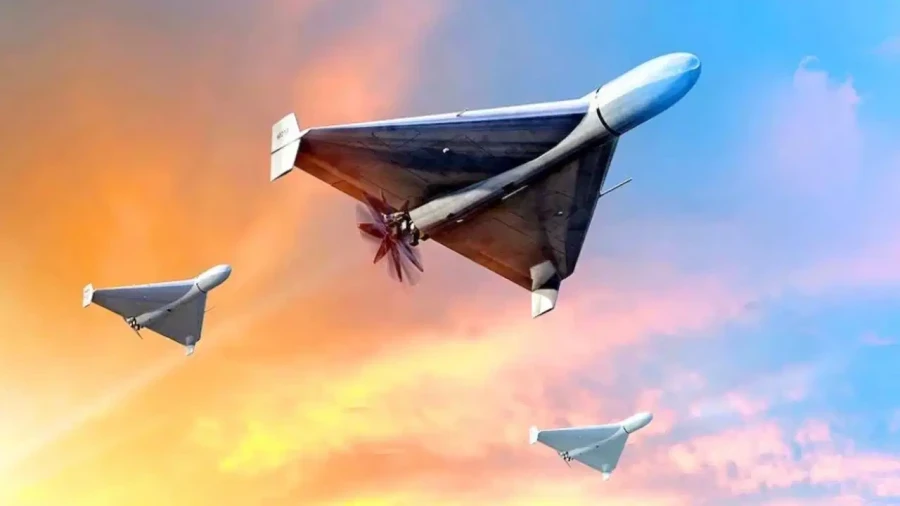
The United States Central Command, widely known as CENTCOM, has officially announced a significant strategic shift in its military operations within the Middle East. In a move that marks a new era of drone warfare, the US has launched a multinational and multi-domain attack drone task force. This newly established unit has been named Task Force Falcon Strike. The primary objective of this initiative is to create a unified and integrated network of unmanned systems that can operate across various combat environments, involving regional partners in a collaborative defense framework.
A Multi-Domain Approach to Modern Warfare
Task Force Falcon Strike isn't limited to traditional aerial drones, while according to the details released by CENTCOM, this task force is designed to be a multi-domain entity. This means it will incorporate unmanned systems that operate in the air, on the surface of the sea, and even beneath the ocean waves. By integrating these three domains—air, sea surface, and undersea—the United States aims to build a comprehensive attack drone network that provides a 360-degree capability to respond to threats in the region. This shared network will allow for a more synchronized and lethal application of unmanned technology.
Strategic Vision and Regional Cooperation
The commander of CENTCOM, Admiral Brad Cooper, has emphasized the importance of this collaborative effort. According to Admiral Cooper, combining new capabilities with regional allies will allow the United States and its partners to develop and deploy new military capabilities at a much faster pace. The vision behind Falcon Strike is to move away from unilateral operations and instead foster a collective environment where regional allies are active participants in the drone warfare infrastructure. This approach is expected to Notably enhance the collective security posture of all participating nations in the Middle East.
Success of Task Force Scorpion Strike
The decision to launch Task Force Falcon Strike is rooted in the success of a previous initiative. Approximately nine months ago, the US established Task Force Scorpion Strike, which served as the first dedicated one-way attack drone squadron in the Middle East. The achievements of Scorpion Strike provided the necessary proof of concept for this larger, multinational expansion. A major milestone was reached in December 2025, when Task Force Scorpion Strike successfully launched an aerial attack drone from a US Navy warship for the first time. This event demonstrated the feasibility of integrating advanced drone technology with existing naval assets.
Operational History and Future Implementation
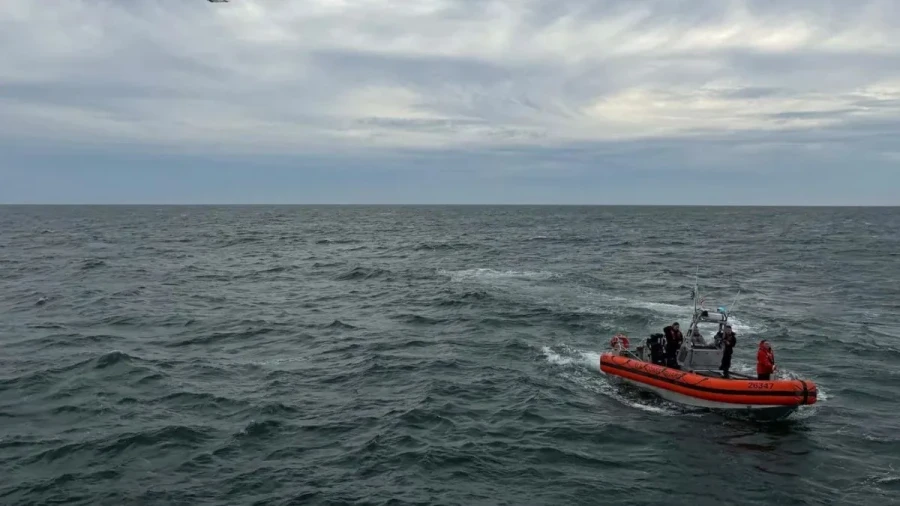
The effectiveness of unmanned systems has already been tested in real-world scenarios. Operations such as Operation Epic Fury and the attacks on Iranian port facilities in July utilized unmanned attack systems at sea. These operations highlighted the strategic advantage of using autonomous or remotely piloted systems in high-stakes environments. Now, through Falcon Strike, the US is preparing to scale these capabilities across the entire Middle East. CENTCOM has already initiated discussions with regional countries, officially inviting them to join the task force. The administrative and operational management of this entire initiative will be handled by the Special Operations Command Central, also known as SOCCENT. This transition signifies that the US is no longer just conducting solo drone operations but is building a solid, shared multi-domain attack drone network with its regional allies.