
- India,
- 10-May-2026 06:40 PM IST



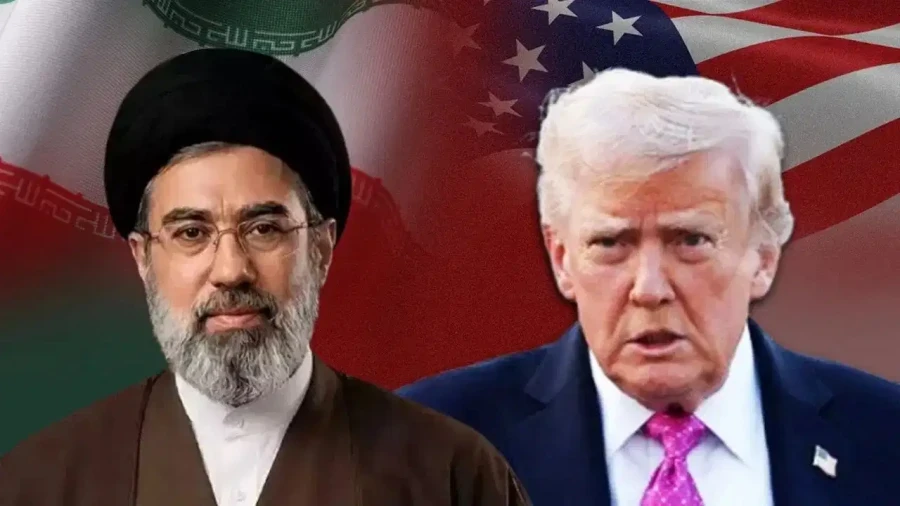
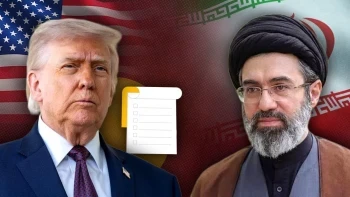
Negotiations are underway between the United States and Iran to end the war, but no final agreement has been reached yet. On May 6, the US sent a 14-point proposal to Iran. This 1-page document outlines a path to stop the war and set the stage for further talks. However, Iran has not yet responded. US President Donald Trump and Secretary of State Marco Rubio expected Iran to respond by May 8. Iran, however, stated that it's carefully studying the US proposal and that any agreement will only occur if it's just and fully balanced.
Key Conditions of the US Proposal and Nuclear Restrictions
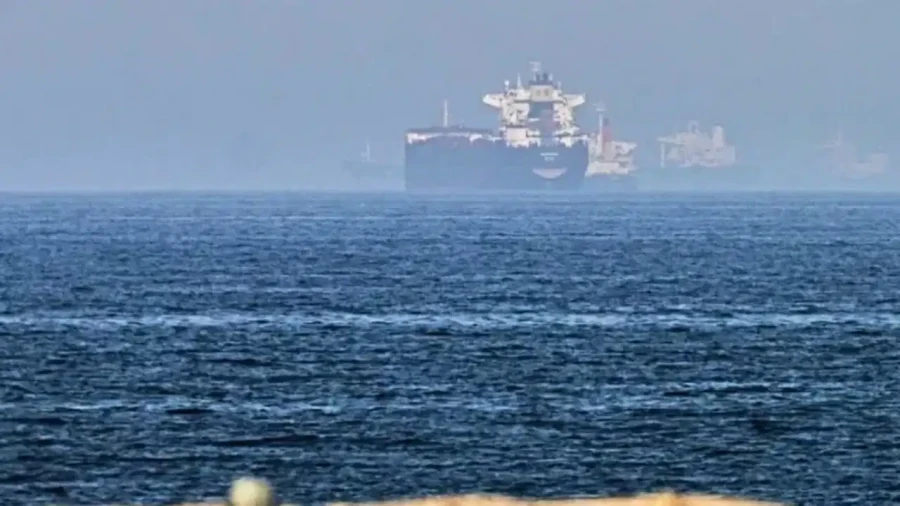
The US proposal includes several major conditions. It stipulates that Iran must stop uranium enrichment for at least 12 years. The US wants Iran to hand over approximately 440 kg of 60% enriched uranium currently in its possession to another country. The US maintains that if Iran reaches 90% enrichment, it could develop nuclear weapons. Also, the US demands that Iran fully open the Strait of Hormuz within 30 days. This maritime route is critical for approximately 20% of the world's oil and gas supply. In return, the US is prepared to lift some old sanctions and return Iran's frozen assets.
Reasons Behind Iran's Delay and Internal Approval
According to Al Jazeera, the wording of this proposal is highly technical. Reports suggest that Iranian officials are scrutinizing every word and date in the document, while iran has multiple centers of power, and a response won't be sent to the US until all have given their approval. The final decision rests with Supreme Leader Mujtaba Khamenei. Experts suggest that Iran also wants to demonstrate that it won't make decisions under pressure and that its position in negotiations remains strong. Conversely, the US is seen as lacking experience in such diplomatic negotiations and wants an immediate deal, a sentiment confirmed by continuous statements from Trump.
Iran's 3-Phase Approach and Demand for Security Guarantees
According to Al Jazeera, Iranian officials are working on a 3-phase approach. The first phase will last 30 days, during which Iran will negotiate for a permanent end to the war on all fronts. This includes stopping attacks on Hezbollah in Lebanon. Providing such a guarantee is difficult for the US, while iran wants the war to end completely and seeks guarantees against future attacks, specifically requesting that the UN Security Council provide this assurance. Along with this, Iran is demanding the removal of all economic sanctions, the return of frozen assets, and an end to the US blockade.
The biggest disputes remain over the Strait of Hormuz and the nuclear program, while the US wants Iran to relinquish its claim of control over this maritime route, but Iran doesn't appear ready to do so. This is why the negotiations are taking time to progress.