

- USA,
- 23-Jan-2026 08:20 AM IST


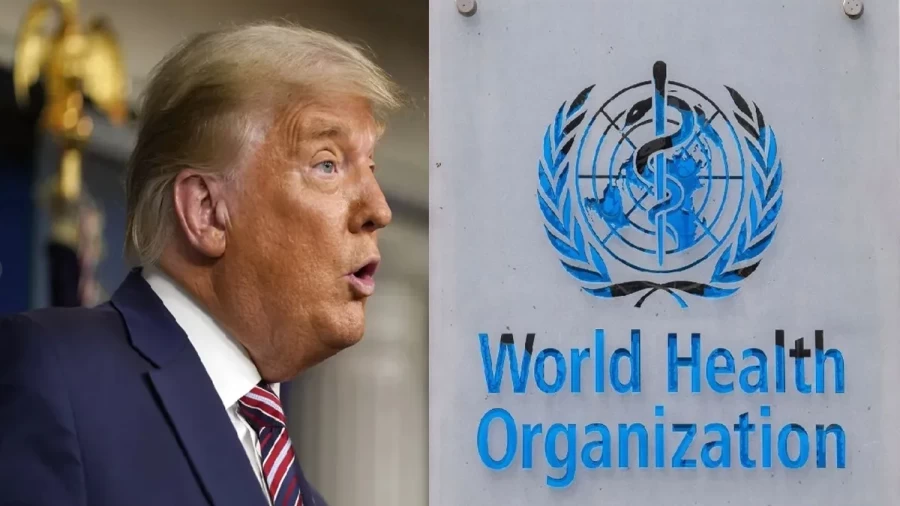
In a move that has sent shockwaves through the international community, the United States has officially completed its withdrawal from the World Health Organization (WHO), while this marks the end of a decades-long partnership, as the American flag was ceremoniously lowered from the WHO headquarters in Geneva, signaling a new era of isolationist health policy under the Trump administration. The decision reflects a fundamental shift in how the world's largest economy intends to manage global health crises moving forward.
The Symbolic Removal of the Flag
The formal exit was confirmed through a joint statement by the U. S. Department of Health and Human Services (HHS) and the State Department. The most striking visual confirmation of this decision was the removal of the Stars and Stripes from the row of member nation flags at the Geneva headquarters, while u. S. officials have clarified that there are no plans to maintain even an observer status, making the break absolute and final. The administration stated that cooperation will now be strictly limited to transitional activities to ensure a smooth departure.
Trump’s Executive Order and COVID-19 Failures
The roots of this withdrawal lie in the early days of the COVID-19 pandemic. President Donald Trump consistently criticized the WHO for its perceived mismanagement of the crisis and its alleged bias toward China. On the first day of his second term, Trump signed an executive order to expedite the withdrawal process that had been initiated previously. The administration argues that the organization failed to implement necessary reforms, making continued membership untenable for American interests. Under U, while s. law, a one-year notice period was required, which has now officially concluded.
The $260 Million Financial Dispute
A significant point of contention remains the financial obligations of the United States. The WHO asserts that Washington owes approximately $260 million in unpaid assessed contributions for the years 2024 and 2025. According to WHO spokespeople, a member state can't fully sever ties without clearing its financial dues. However, the Trump administration has already frozen all funding and maintains that the exit is legally valid regardless of the disputed payments. U. S. health officials have argued that the organization's failures caused immense economic damage to the country, justifying the cessation of funds.
A Shift Toward Bilateral Health Diplomacy
Moving forward, the United States intends to bypass multilateral institutions in favor of direct bilateral cooperation. Senior health officials stated that the U. S. will prioritize working directly with individual nations on disease surveillance and health emergencies, while this 'America First' approach to global health suggests that the U. S. will benefit from its own resources and direct partnerships rather than relying on the bureaucratic framework of the United Nations-affiliated body. The U. S. believes this direct approach will be more efficient and accountable to American taxpayers.
Impact on Global Health Security
The international medical community has expressed deep concern over the U. S, while exit. Lawrence Gostin, a global health law expert at Georgetown University, described the move as a potential violation of international norms and a threat to global security. As the U. S. was the largest financial contributor to the WHO, its absence leaves a massive funding gap that could jeopardize vaccination programs for polio and malaria, as well as pandemic preparedness in developing nations. The upcoming WHO Executive Board meeting in February is expected to address. The fallout of this unprecedented departure and the future of global health governance.
