

- India,
- 07-Jan-2026 09:33 AM IST


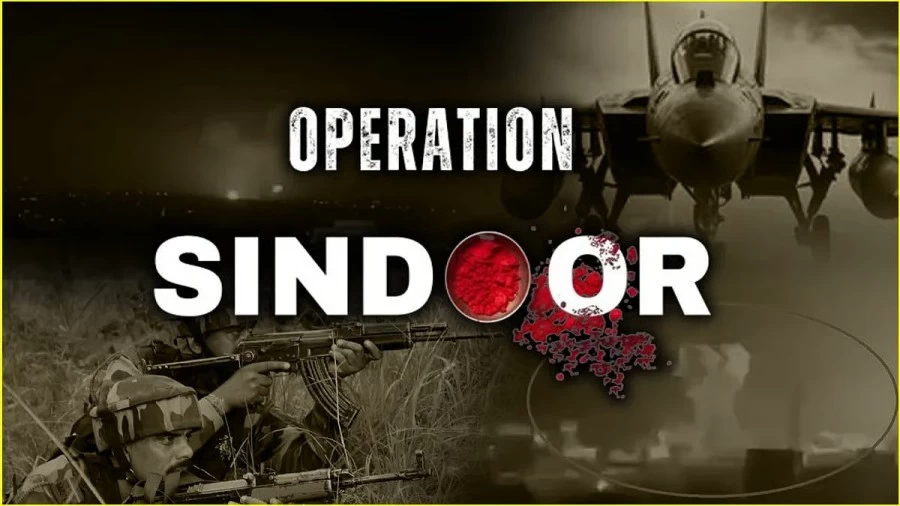
Recently declassified documents under the US Foreign Agents Registration Act (FARA) have unveiled a startling account of events during India's 'Operation Sindoor' last April. These documents reveal the extent to which Pakistan was rattled by this military operation and the intense lobbying efforts it undertook through its diplomats in the United States to halt the conflict, while this report not only highlights Pakistan's profound unease but also indicates that India, too, engaged similar lobbying firms to strengthen its contacts with the American administration.
This unfolding narrative underscores the intricate game of international diplomacy played behind the scenes and the influence of external powers during times of crisis, where both nations actively sought to protect their interests within the corridors of Washington. When India launched its military operation, 'Operation Sindoor,' last April, it had an immediate and profound impact on Pakistan. According to FARA documents, Pakistan 'trembled' in response to this military action, signaling a grave threat to its internal security and regional stability. The Pakistani government and its military establishment viewed this situation with extreme concern.
They feared that the conflict could escalate into a full-scale war, potentially leading to devastating consequences, including significant loss of life and property, and a drastic shift in the regional power balance. In this atmosphere of fear and uncertainty, Pakistan immediately sought intervention from the international community, particularly the United States, to de-escalate the rising tensions and bring the situation under control, while this reaction from Pakistan underscores the unexpected impact of Operation Sindoor on its military and diplomatic preparedness.
Pakistan's 60 Pleas to Halt the Conflict
Driven by its apprehension and a desire to avert the potential ramifications of war, Pakistan launched an unprecedented lobbying campaign through its diplomats in the US. Media reports and FARA documents indicate that Pakistan contacted top US administrative officials, influential lawmakers, senior Pentagon officials, and State Department representatives approximately 60 times. These contacts were made through emails, phone calls, and one-on-one meetings, reflecting Pakistan's desperation and its fervent desire to halt the conflict at any cost, while the primary objective of these engagements was to exert pressure on the US to compel India to cease its military actions and secure an immediate ceasefire. This represented a multi-pronged approach by Pakistan, involving various US government departments and influential figures to maximize its impact.
Extensive Lobbying Network and Financial Investment
Pakistan also invested substantial financial resources to intensify its lobbying activities. It spent approximately ₹45 crore (around $5. 4 million) on six lobbying firms to gain swift access to the Trump administration and influence trade and diplomatic decisions. This significant investment demonstrates the gravity with which Pakistan viewed the matter and its willingness to go to great lengths to sway US policy in its favor. The role of these firms involved arranging meetings with US policymakers, presenting Pakistan's perspective, and garnering support for a ceasefire. The report from another US lobbying firm, Syden Law LLP, further revealed its assistance to Pakistan in enhancing economic partnership with the. US and securing support during India-Pakistan tensions, highlighting Pakistan's multi-faceted diplomatic strategy that encompassed economic and political backing alongside addressing military concerns.
India's Diplomatic Initiative and the Role of a US Firm
It wasn't only Pakistan that sought the services of US lobbying firms during the crisis. The American lobbying firm SHW Partners LLC disclosed in its report that the Indian. Embassy also utilized its services to enhance contact with the US government and its officials. This indicates that India, too, aimed to strengthen its communication channels with the American administration during this sensitive period, to protect its interests and clarify its stance. SHW Partners LLC worked for the Indian Embassy between April and December 2025, with the objective of assisting in discussions with the Trump administration on several key issues, including bilateral trade agreements and regional security concerns. This move serves as evidence of India's proactive diplomacy, utilizing all available means to achieve its strategic objectives even during a crisis.
May 10, 2025: A Pivotal Day
According to information provided in FARA, on May 10, SHW Partners LLC facilitated contacts between the Indian Embassy and White House Chief of Staff Susie Wiles, US Trade Representative Jamison Greer, and National Security Council's Ricky Gill. This date is particularly significant as it marked the end of the four-day military confrontation between India and Pakistan. During these discussions, issues such as the India-US trade agreement and media coverage related to Operation Sindoor were discussed, while the firm's role included arranging meetings, facilitating phone calls, and connecting officials from both countries via email, playing a crucial diplomatic role in crisis management. The Indian Embassy also sought assistance in arranging a meeting for a bipartisan delegation with Vice President JD Vance and Foreign Minister. Marco Rubio, underscoring India's desire for broad diplomatic outreach and its intent to engage with various segments of the US political spectrum.
Modus Operandi and Influence of Lobbying Firms
Washington D. C. hosts a sophisticated and well-established ecosystem of lobbying firms. These firms assist foreign governments in gaining access to US policymakers, legislators, and administrative officials. Their expertise includes effectively conveying diplomatic messages, arranging crucial meetings, and providing information to influence significant decisions, while in times of crisis, these firms can play a vital behind-the-scenes role, helping to de-escalate tensions or advance a country's interests. FARA documents bring transparency to the activities of these firms, allowing the public to understand which foreign governments are employing which firms to influence US policy. This system, while sometimes controversial, is an integral part of the American political landscape and is widely used in international diplomacy.
Indian Ministry of External Affairs' Clarification
In response to these revelations, sources from the Indian Ministry of External Affairs provided clarification. They stated that various embassies, private companies, and business organizations in the US routinely engage lobbying firms and consultants to enhance their outreach. This is a common and legal practice. The Indian Embassy has also been contracting such firms as needed since the 1950s. The Ministry emphasized that lobbying foreign governments under the Foreign Agents Registration Act with the US Department of Justice is a legal and established practice. The official website of the Justice Department maintains a complete record of who contacted which lobbying firms and when. Viewing this as a form of mediation is entirely incorrect; rather, it's part of. A transparent diplomatic process aimed at establishing direct and effective communication with the US government.
Congress's Questions and Doubts on Trade Relations
Congress has also reacted to the reports from US lobbying firms. Congress leader Amitabh Dubey stated that much transpired on May 10, 2025, following which the first announcement to halt Operation Sindoor was made by the United States, while dubey highlighted that among the US officials contacted on May 10 was US Trade Representative Jamison Greer. This raises suspicion as to whether trade-related aspects also influenced the decision to cease military action. This statement from Congress adds a new dimension to the entire episode, questioning the potential trade implications intertwined with diplomatic and military decisions. It prompts an inquiry into whether the status of the India-US trade agreement played any role in the decision to end the military conflict, potentially sparking a debate on the transparency of such decisions in the future.
Revelations and Future Diplomacy
These FARA document revelations shed significant light on the behind-the-scenes diplomatic activities during last year's military confrontation between India and Pakistan. It's clear that 'Operation Sindoor' caused deep concern in Pakistan, prompting it to seek intense intervention from the US to halt the conflict. Meanwhile, India also utilized lobbying firms to strengthen its contacts with the American administration. These documents underscore the crucial role of lobbying firms in international relations and the importance of diplomatic channels during times of crisis. The questions raised by Congress, particularly concerning trade aspects, further complicate this narrative and emphasize the need for transparency and accountability in such situations in the future. This episode illustrates how diplomatic and economic interests remain intertwined even amidst geopolitical tensions.
