

- India,
- 28-Apr-2026 06:32 AM IST


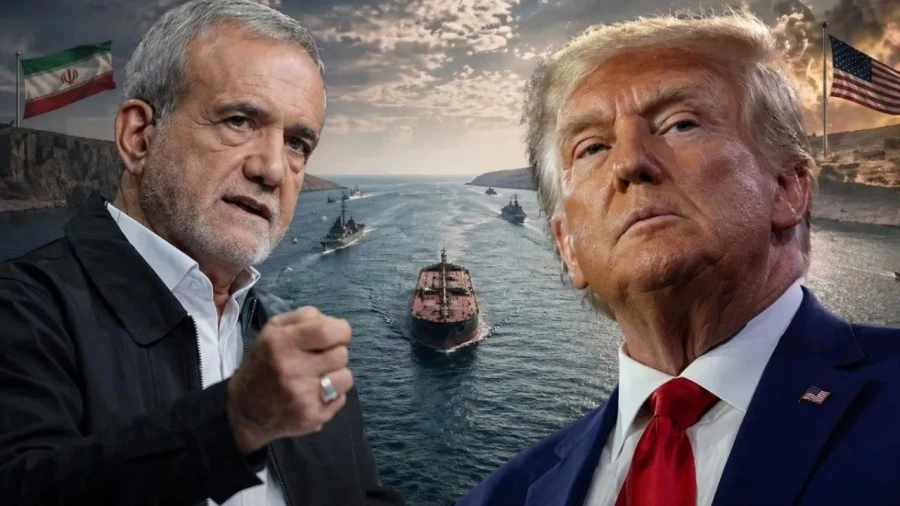
The smell of gunpowder has deepened in the skies of the Middle East. The ongoing standoff between the United States and Iran has now reached its most decisive turning point. The next 80 hours will determine whether the world witnesses another devastating world war or if a path to peace emerges through diplomacy. The eyes of the entire world are fixed on the May 1 deadline, before which, if no solid agreement is reached, the situation could spiral out of control. Uranium enrichment and the blockade of the Strait of Hormuz have turned this dispute into an all-out war.
Uranium and Hormuz: The Two Main Axes of Conflict
At the center of this entire confrontation are two major issues. First, Iran's uranium enrichment program, which the US considers a direct threat to its security. Second, the Strait of Hormuz, the world's most important oil route. Currently, the deadlock on both these issues is such that several attempts at a solution in the last 48 hours have failed. In response to Donald Trump's direct warnings, Iran has also hardened its stance, causing hopes for a ceasefire to fade.
Naval Confrontation in the Strait of Hormuz
While there is talk of a ceasefire in the region, the ground reality resembles a state of war. Recently, the US seized an Iranian ship, in response to which Iran also stopped two ships and took their crew hostage. The Strait of Hormuz has now been transformed into a fortress, where the US has deployed three of its most destructive warships. The US Navy is searching every ship heading towards Iran, which has almost brought Tehran's oil exports to a standstill. US President Donald Trump has made his strategy clear, stating he wants a deal that's permanent, not temporary.
Iran Faces $500 Million Daily Loss Amidst Defiance
Trump has issued a clear warning that the US has full control over the Strait of Hormuz and it will only be opened when Iran accepts the conditions. According to Trump, this blockade is costing Iran $500 million (approximately 4200 crore rupees) every day. Trump believes that if Iran doesn't bow down now, it will take 20 years to rebuild its economy. Despite heavy economic losses and military pressure, Iran isn't ready to back down. Ebrahim Azizi, head of the Iranian Parliament's National Security Committee, has made it clear that bowing to US pressure isn't his country's policy.
Azizi believes that even if Iran gives some concessions, the US will only lengthen its list of demands. Iran's persistence has increased international concern, as the country has already lost much in this conflict, from its leadership to oil depots. As the May 1 date approaches, the deployment of missiles and the sound of explosions in the Gulf region are intensifying. Defense experts believe that if no middle ground is found in the next 80 hours, this conflict won't remain limited to just two countries.
