
- India,
- 11-May-2026 09:54 PM IST



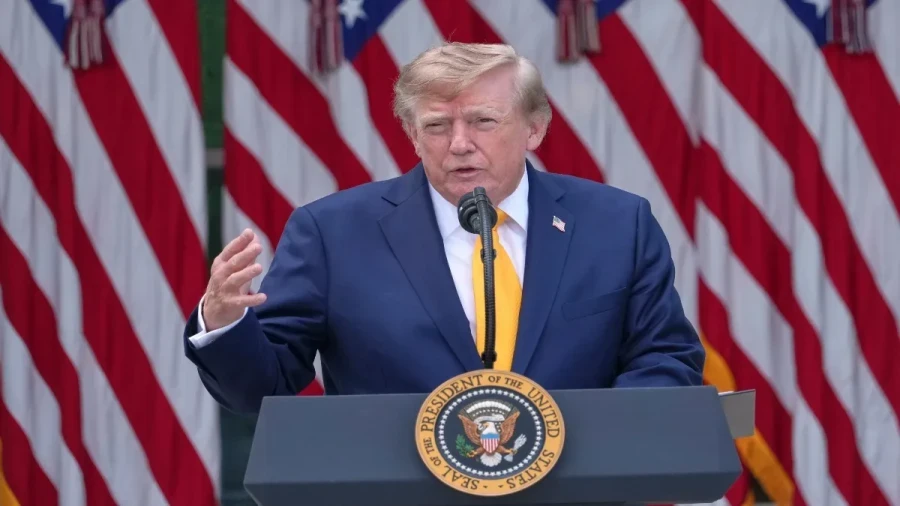
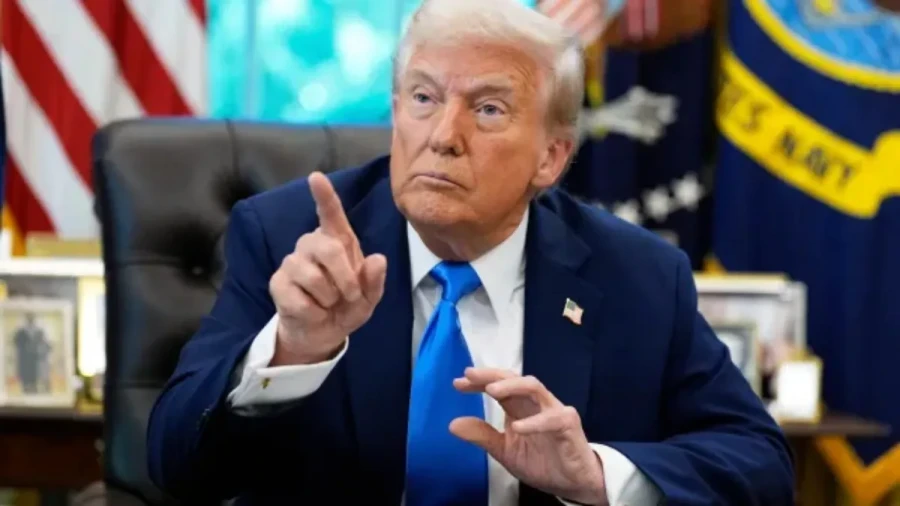
The military tension between Iran and the United States is poised to endure as diplomatic efforts for a resolution continue to weaken. US President Donald Trump has officially rejected the peace proposal sent by Iran, stating that the response didn't meet American expectations. This rejection signifies that the hopes for a diplomatic agreement have nearly vanished. The ongoing conflict in the Middle East is Notably impacting global oil supplies and prices, with no immediate relief in sight for the international community as both nations harden their stances.
The Deadlock Over Peace Proposals and Iranian Conditions
Iran's peace proposal included several stringent conditions that were unacceptable to the Trump administration. Key demands included full Iranian control over the Strait of Hormuz and the immediate lifting of the US naval blockade. On top of that, Iran sought war reparations and the release of its frozen assets, while however, the primary point of contention remains the enriched uranium. While the US demands that Iran surrender its stockpile, Iran has only offered to transfer it to a third country, provided there is a guarantee of its return if the US violates the agreement. On top of that, while the US sought a 20-year freeze on Iran's nuclear program, Iran only agreed to a 5-year suspension, refusing to destroy its nuclear facilities.
Key Highlights of the Conflict
Strategic Coordination Between Trump and Netanyahu
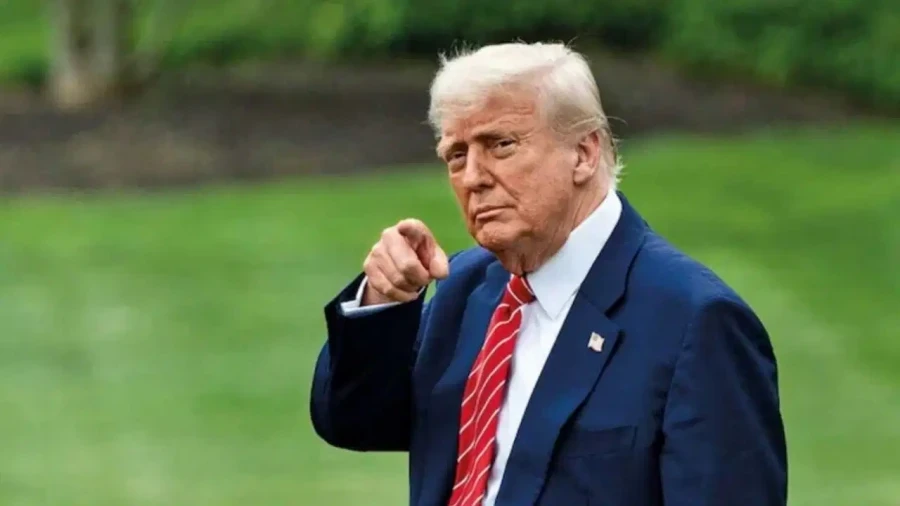
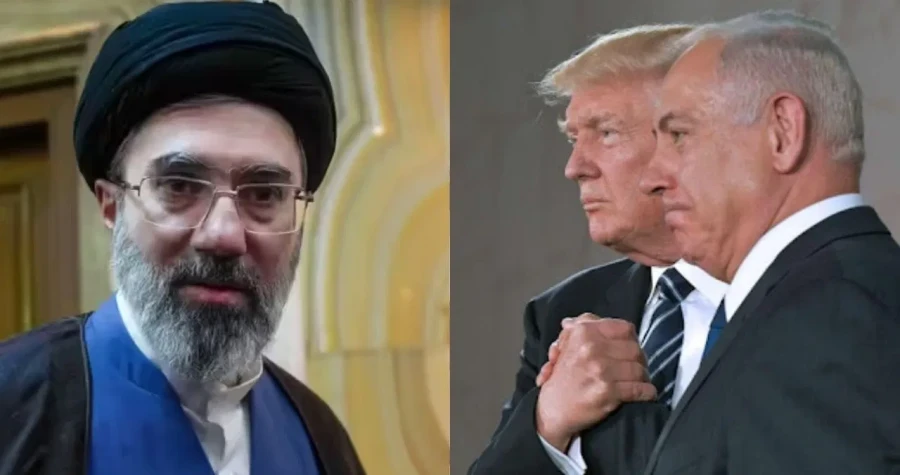
Following the rejection of the proposal, President Trump and Israeli Prime Minister Benjamin Netanyahu held a telephonic conversation to coordinate a new military strategy against Iran. Trump has warned that US forces are closely monitoring Iranian nuclear sites and will strike anyone attempting to move the uranium. Netanyahu echoed this sentiment, asserting that enriched uranium will be extracted from Iran by any means necessary. In response, Iran's Supreme Leader Mujtaba Khamenei held a high-level secret meeting with IRGC commanders, directing them to increase weapon production and prepare for strict retaliatory actions against the US.
The Logistics and Risks of a Ground Operation
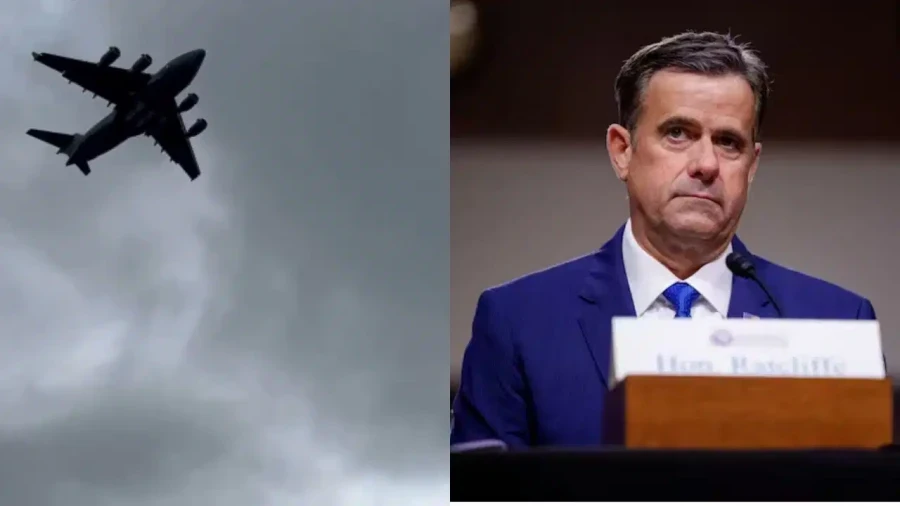
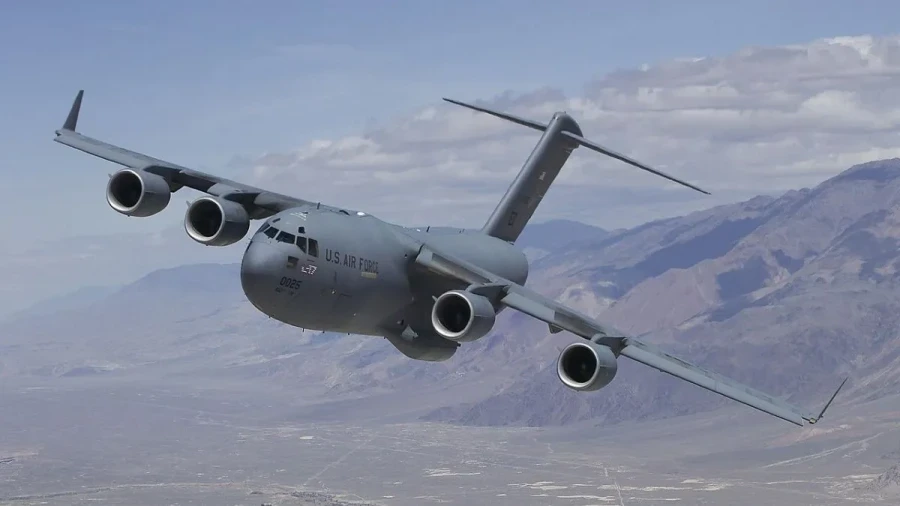
Military experts are now decoding the possibility of a US-led ground operation to seize Iranian uranium. Such an operation would likely target underground facilities in Natanz and Isfahan, which are heavily guarded by tanks and modern weaponry. The operation would require initial airstrikes followed by special commandos being airlifted to the sites. However, the risks are immense; the sites may be surrounded by landmines, and uranium stored as toxic gas in cylinders requires specialized containers and heavy transport aircraft for extraction. IAEA Director General Rafael Grossi has described such an operation as extremely difficult and challenging due to the risk of radiation leaks.
US Ambassador Mike Waltz noted that while mediators like Pakistan have urged for more diplomatic opportunities, the US remains fully prepared for further military action. Iranian military spokesperson Brigadier General Akrami Nia has warned that any miscalculation by the enemy will lead to shocking consequences. As Trump asserts that two more weeks are needed to hit the remaining 30% of targets, the world watches closely to see if the conflict escalates into a full-scale ground war over Iran's nuclear capabilities.