
- India,
- 11-Jun-2026 08:04 AM IST



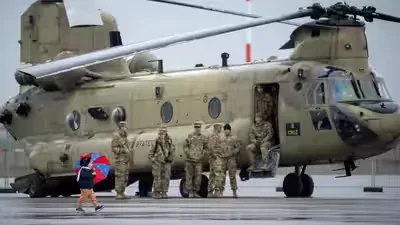
The geopolitical situation in the Middle East has taken a volatile turn as the United States launched a series of fresh airstrikes against multiple targets within Iran. This military escalation follows a stern warning from US President Donald Trump, signaling a significant intensification of hostilities between the two nations. Reports of explosions have emerged from several key locations in southern Iran, including Sirik, Minab, Bandar Abbas, Qeshm Island, and Gorgan. These strikes were carried out shortly after President Trump declared that the United States is prepared to launch even more severe attacks if Tehran doesn't alter its current course of action.
Trump's Warning and Military Confirmation
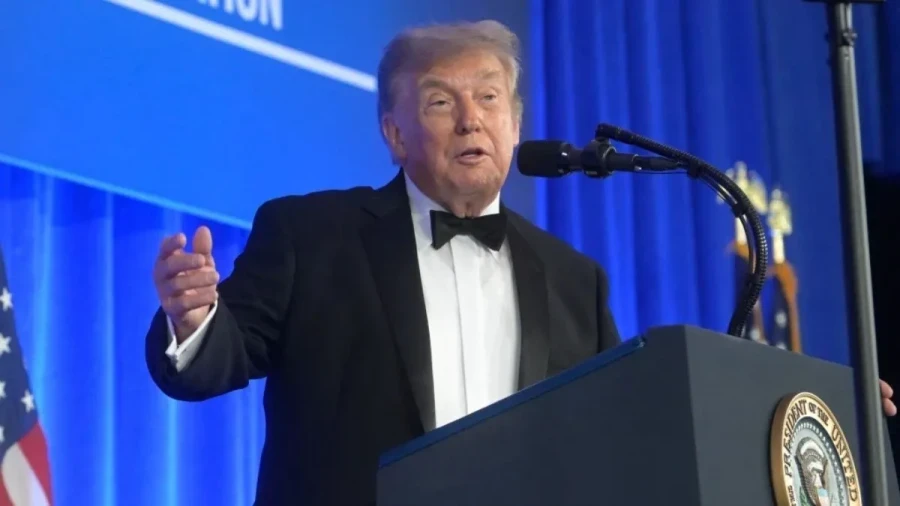
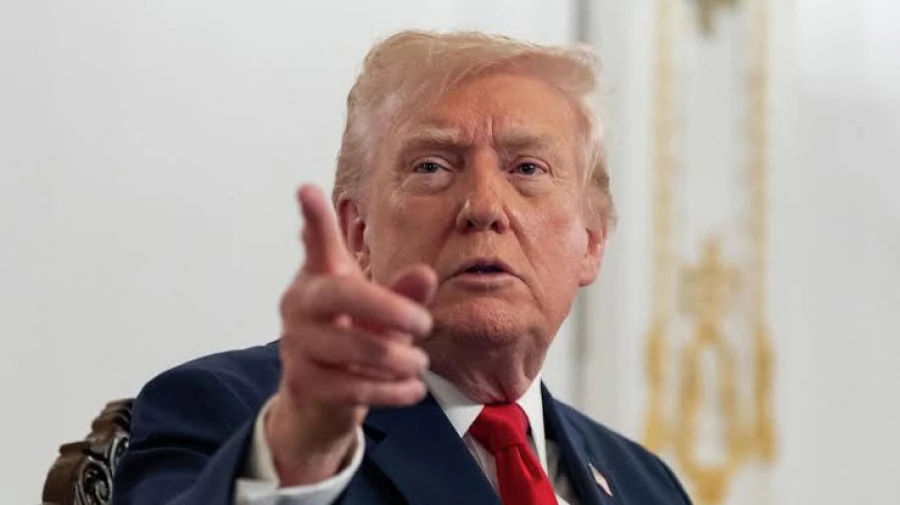
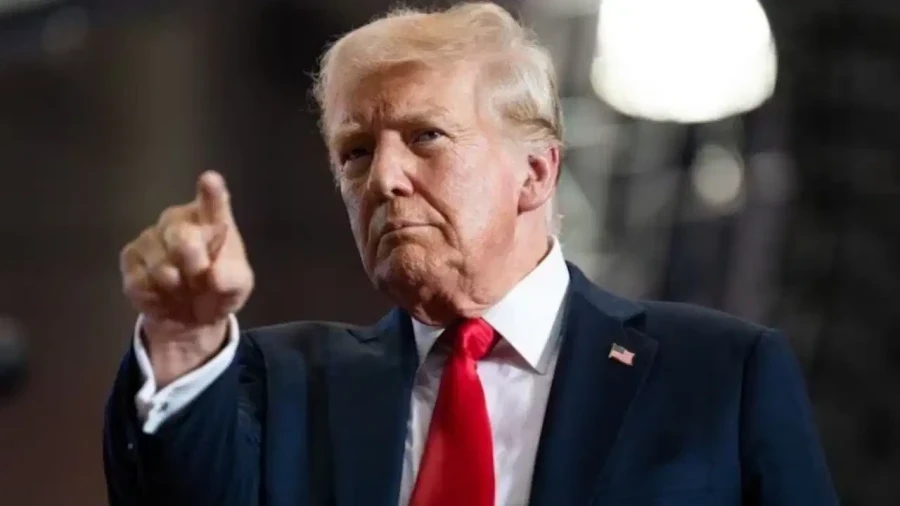
President Donald Trump, while addressing the situation, emphasized the resolve of the American military, while he stated, "We attacked yesterday and we will attack today. " Despite the aggressive military posture, Trump also made an appeal for a potential agreement, suggesting that the US is open to negotiations if conditions change. However, the immediate focus remains on military operations. US Defense Secretary Pete Hegseth corroborated this by stating that the United States Central Command (CENTCOM) would be engaged in a major operation throughout the night. CENTCOM later confirmed that, acting on the President's orders, additional strikes were successfully conducted against various Iranian installations. The US administration maintains that these actions are a direct response to Iran's persistent and aggressive activities in the region.
IRGC Retaliation and Regional Impact
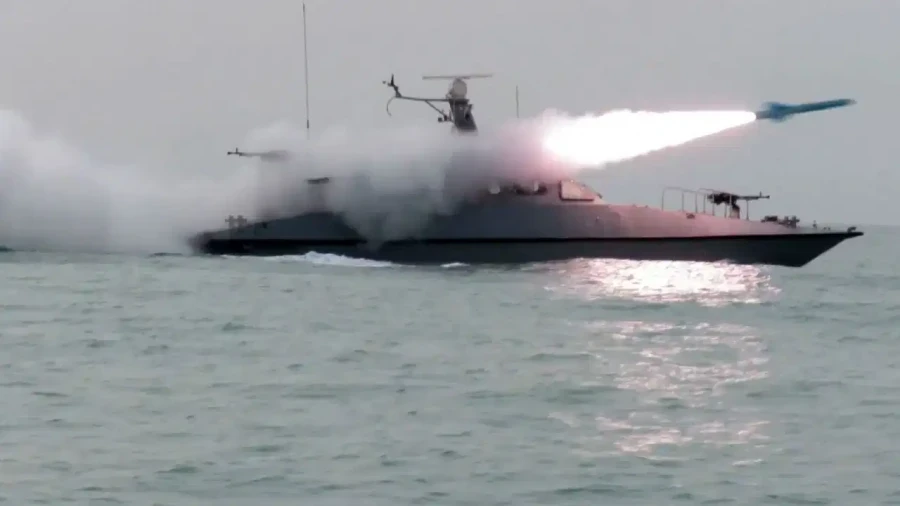
In the wake of the American strikes, Iran's Revolutionary Guard Corps (IRGC) initiated retaliatory measures. The IRGC claimed to have targeted 18 critical locations in response to the US aggression. These retaliatory strikes reportedly included an airbase in Bahrain and two airbases located in Kuwait. On top of that, the IRGC launched attacks on two ships that were attempting to navigate through the region. The Iranian military leadership has made it clear that they view these actions as a necessary defense of their sovereignty and a direct counter to American military pressure.
Closure of the Strait of Hormuz
In one of the most significant developments of this escalation, Iran has officially announced the closure of the Strait of Hormuz. The Iranian Joint Military Command issued a statement declaring that no oil tankers, cargo ships, or any other vessels will be permitted to pass through this strategic maritime route. Iran has issued a stern warning that any ship attempting to defy this closure and pass through the strait will be targeted. This move directly contradicts claims from the US Central Command, which stated that some commercial vessels are still navigating the route, while iran has dismissed the American claims of safe passage as false, asserting that the situation in the area is far from secure.
Conflicting Claims on Negotiations
Amidst the military strikes, a war of words has broken out regarding potential diplomatic contact. President Trump told Fox News that Iranian officials had reached out to him, requesting a halt to the ongoing bombardment. Trump suggested that the strikes could end soon but reiterated that the US wouldn't hesitate to take further action if necessary, while he also clarified that Israel wasn't involved in these specific strikes. However, Tehran has vehemently denied these claims. Iranian state media reported that no Iranian official has made contact with Trump, labeling his statements as entirely false. The denial from Tehran underscores the deep-seated mistrust and the lack of a clear diplomatic path forward as both nations remain on high alert.