
- India,
- 28-Nov-2026 09:05 AM IST



The moment you book a train ticket, the first number that catches your attention is the PNR, while whether it's a waiting list or a confirmed seat, every detail is checked using this number, but do you know what this number means and what its 10 digits tell about the passenger? The full form of PNR is Passenger Name Record, which is the traveler name record, while indian Railways PNR is a 10-digit number through which passenger details remain secure in the railway database. This detail ranges from the railway zone to the booking status.
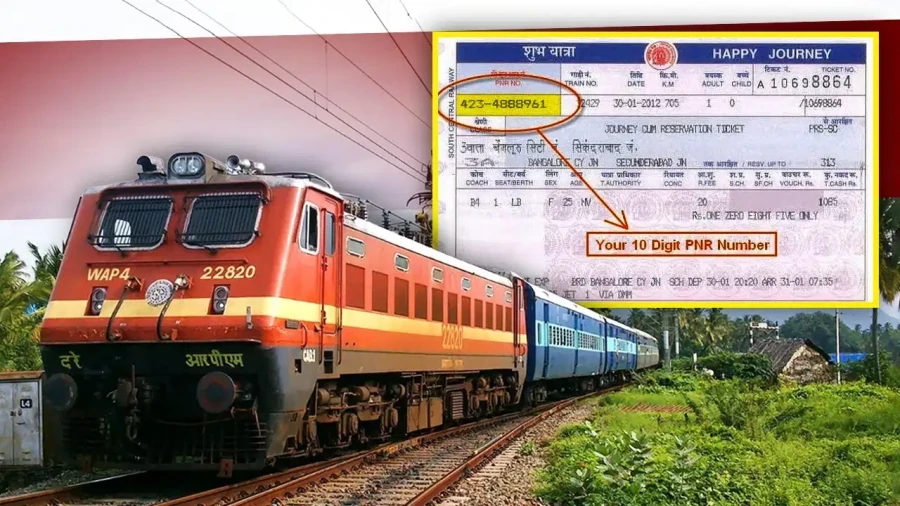
The PNR number is printed on the top left side of the ticket. A single PNR contains the record of the entire booking. It includes information such as your name, train, date, and seat or berth status. This 10-digit PNR number is issued upon booking a train ticket, which is useful for everything from ticket confirmation to filing complaints, and multiple pieces of information are hidden within the 10 digits of the PNR.
What is hidden in the 10 digits and its structure
The structure of the 10 digits of the PNR is divided into two parts. There is a lot of confusion on the internet regarding this question. According to most sources, the structure of the number is divided into two parts. The first three digits indicate from which Passenger Reservation System the ticket was issued. Among these, the very first digit indicates the railway zone from where the train originates, and the next two digits indicate the PRS from where the ticket was generated. The remaining seven digits are generated randomly so that every PNR number remains unique, while they don't have any inherent hidden information in themselves. So, this assumption isn't correct that all 10 digits contain every detail of the date, seat, or passenger. The actual information resides in the database connected to the PNR, not in the number itself.
Who creates PNR and where the database is hosted
The details of the passenger journey are kept in the database operated by the Centre for Railway Information Systems, known as CRIS. CRIS is the IT arm of Indian Railways. Reservations are made and ticket records are created in this system itself. The PNR status that you view on the IRCTC website and app comes from this very database.
Important uses and functions of PNR
PNR has major utilities that assist passengers during their journey:
- Checking status: Information on whether the ticket is confirmed, in RAC, or on the waiting list.
- Filing complaints: In case of trouble during the journey, complaints can be lodged with the railways using this 10-digit number.
- Ticket identification: From ticket checking during travel to the refund process, this number becomes the basis.
- Seat and train information: Details of the train number, departure time, and berth status.
How to check PNR and its various methods
There are three easy ways to check PNR. First, enter the 10-digit number on the IRCTC or railway passenger inquiry website. Second, view it through the app. Third, you can check it even without the internet. For this, send an SMS to 139 with the 10-digit number written without any spaces.
How many days does PNR stay in the system
According to a report, the PNR record remains in the railway system for at least 9 months, after which the system automatically deletes it. So, checking the status of a very old ticket may not yield any information.