

- India,
- 22-Sep-2025 08:59 PM IST


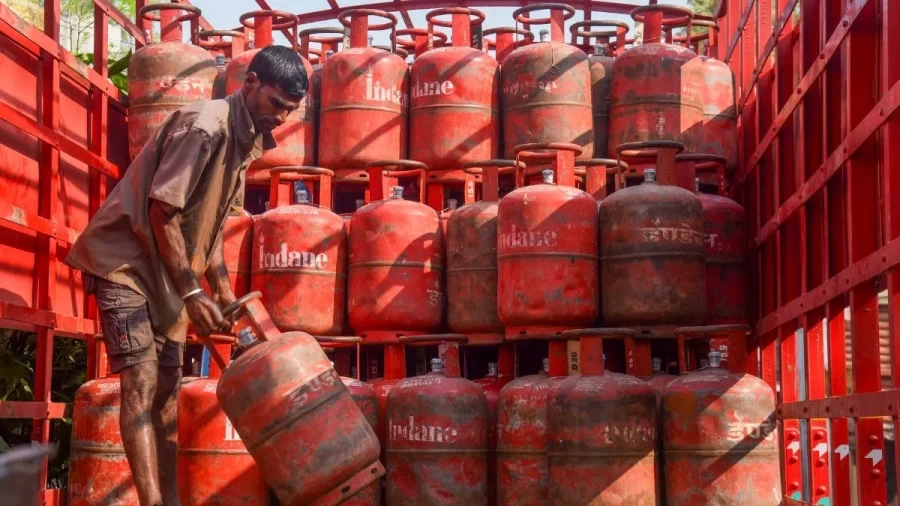
Ujjwala Yojana: The central government has announced the provision of 2.5 million new free LPG connections in the financial year 2025-26 under the Pradhan Mantri Ujjwala Yojana (PMUY). This move is a significant initiative towards women's empowerment and promoting the use of clean fuel. Announcing this decision on the auspicious occasion of Navratri, Prime Minister Narendra Modi wrote on the social media platform, "On the auspicious occasion of Navratri, I extend my heartfelt greetings to all the mothers and sisters associated with the Ujjwala family. This initiative will not only bring them joy on this auspicious occasion but also strengthen our resolve towards women's empowerment."
Ujjwala family numbers increase to 106 million
Union Petroleum and Natural Gas Minister Hardeep Singh Puri, while announcing the expansion of the scheme, said that with these 2.5 million new connections, the number of Ujjwala Yojana beneficiaries will increase to 106 million. In his post, he said, "With the beginning of Navratri, the decision to provide 2.5 million deposit-free cooking gas connections under the Ujjwala Yojana is another testimony to Prime Minister Narendra Modi's commitment to respect women on par with Goddess Durga." This move will not only increase access to clean fuel but also ease the lives of women living in rural and remote areas.
₹2,050 subsidy on each connection
The central government will provide a subsidy of ₹2,050 on each new LPG connection, which will include a free cylinder, gas stove, and regulator. Hardeep Singh Puri said, "The Ujjwala Yojana is not just a scheme, but a torch of revolution, whose light is reaching every corner of the country." He also pointed out that currently, over 103.3 million Ujjwala beneficiaries have access to a cylinder refill at just ₹553 with a subsidy of ₹300, which is significantly more affordable than LPG-producing countries globally.
Ujjwala Yojana: Clean Fuel, Healthy Life
The Pradhan Mantri Ujjwala Yojana aims to provide clean cooking gas to rural and underprivileged women, reducing the health risks associated with the use of traditional fuels like wood and coal. This scheme not only contributes to environmental protection but also helps women save time and labor, leading them towards self-reliance.
