
- India,
- 05-Aug-2026 08:54 AM IST



In the world of cricket, it's often said that when luck is on your side, everything falls into place. This sentiment perfectly describes the current situation of Pakistani batsman Abdullah Shafique. His remarkable success in the ongoing second Test against the West Indies in Port of Spain is deeply rooted in a stroke of fortune. Luck not only brought him back into the Pakistan Test squad but also paved the way for a performance that has not been seen by a Pakistani batsman in the West Indies for the last 49 years. Shafique's journey to this milestone is a fascinating tale of being at the right place at the right time.
The Connection Between Luck and Abdullah Shafique
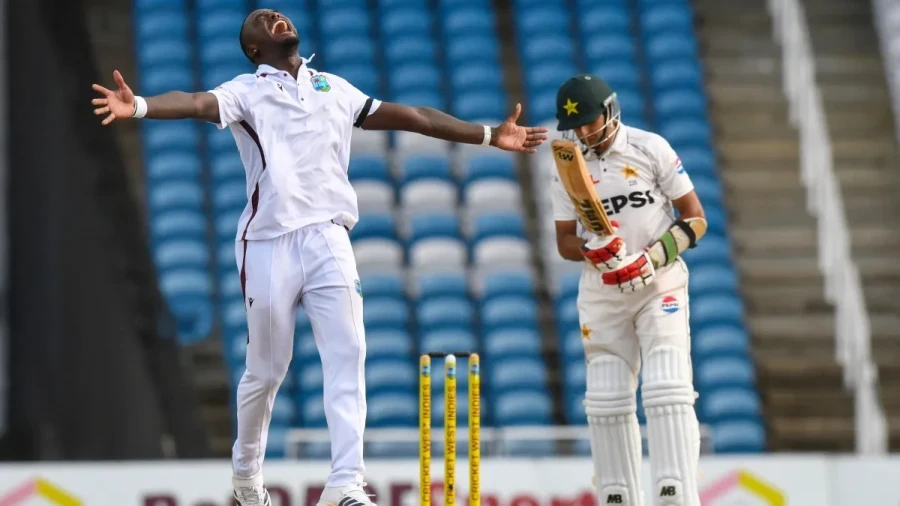
The story of how Abdullah Shafique got this opportunity is quite extraordinary. When the PCB selectors originally announced the 16 member squad for the Test series tour of the West Indies, Abdullah Shafique's name was nowhere to be found. He wasn't part of the initial plans for this series, while however, during the first Test match played in Tarouba, Pakistan's captain Shan Masood suffered a significant injury. A delivery from West Indies bowler Jayden Seales struck Masood's hand, resulting in a broken finger. This unfortunate injury forced Masood out of the team and created a sudden vacancy. This is where luck intervened for Abdullah Shafique, while at that exact moment, Shafique was playing cricket just 90 minutes away from Tarouba. Upon receiving an urgent call from the Pakistan team management, he caught a flight and reached Tarouba to replace the injured Shan Masood. Luck didn't just stop at getting him into the squad; he was immediately drafted into the playing eleven for the second Test, and the results are now for everyone to see.
A Masterclass of 160 Runs Not Out
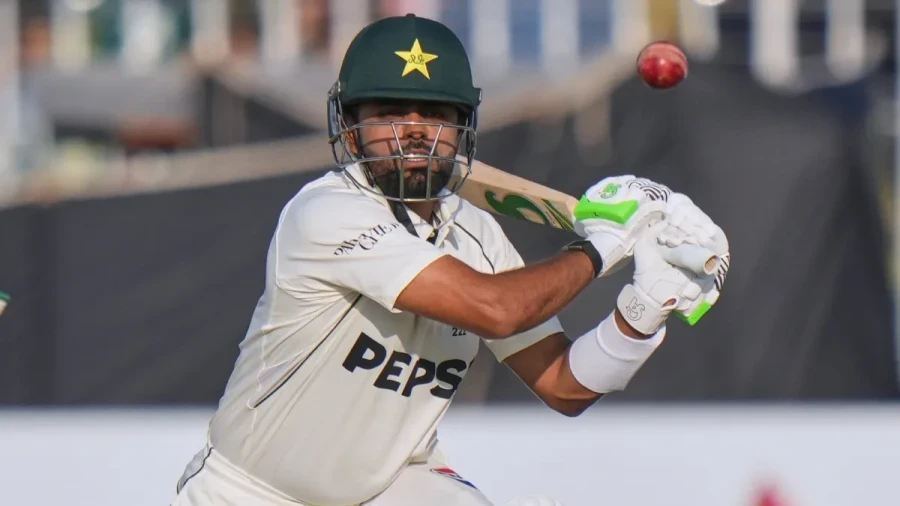
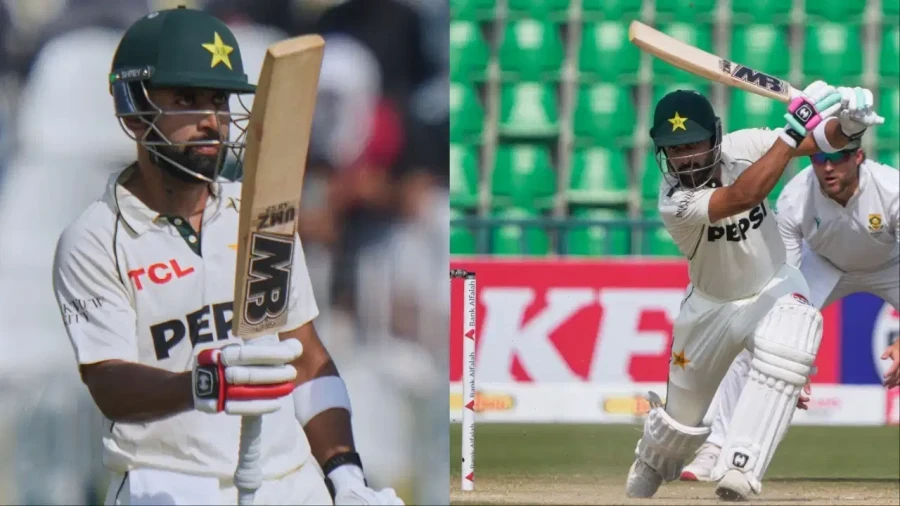
In the first innings of the second Test, Pakistan posted a total of 387 runs on the board. A massive chunk of these runs came from the bat of Abdullah Shafique alone, while he remained unbeaten on 160 runs, showcasing immense patience and skill. During his marathon stay at the crease, he faced 323 balls and decorated his innings with 15 fours and 3 sixes. This performance marked the 5th century of his Test career and his first-ever hundred against the West Indies. By scoring 160 runs, Shafique achieved a feat that had eluded Pakistani batsmen in the Caribbean for nearly five decades.
Ending a 49 Year Long Wait
Abdullah Shafique has now become the first Pakistani batsman in the last 49 years to score 150 plus runs in a Test match innings played in the West Indies. The last time a Pakistani player achieved this was back in 1977, when the legendary Majid Khan played a brilliant innings of 167 runs. It's noteworthy that Abdullah Shafique made his return to the Pakistan Test team after a gap of 10 months. Despite this long absence, his dominance in overseas conditions remains unparalleled. Out of the last four 150 plus scores recorded by Pakistan batsmen outside their home country, three have come from the bat of Abdullah Shafique.
Match Situation and Series Context
Thanks to the powerful 160 run contribution from Abdullah Shafique, Pakistan managed to secure a 46 run lead in the first innings after being bowled out for 387. By the end of the third day's play, the West Indies had started their second innings and reached a score of 106 runs for the loss of 6 wickets. This means the West Indies currently hold a slim lead of 60 runs. The historical context of this series is also significant. The West Indies have not won a Test series against Pakistan since the year 2000. The big question now remains whether Pakistan can prevent the West Indies from winning a Test series for the first time in 26 years. The match is poised at a critical juncture as both teams fight for dominance in Port of Spain.