
- India,
- 15-Jul-2026 08:33 PM IST



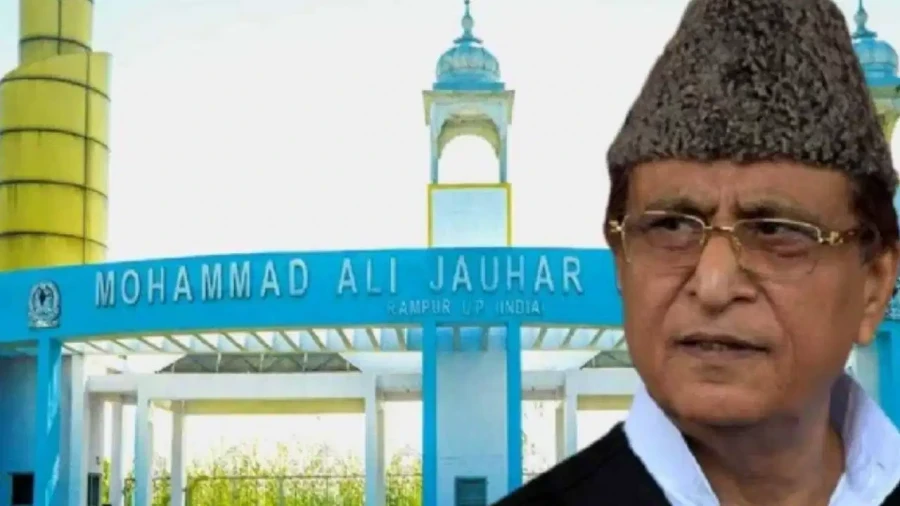
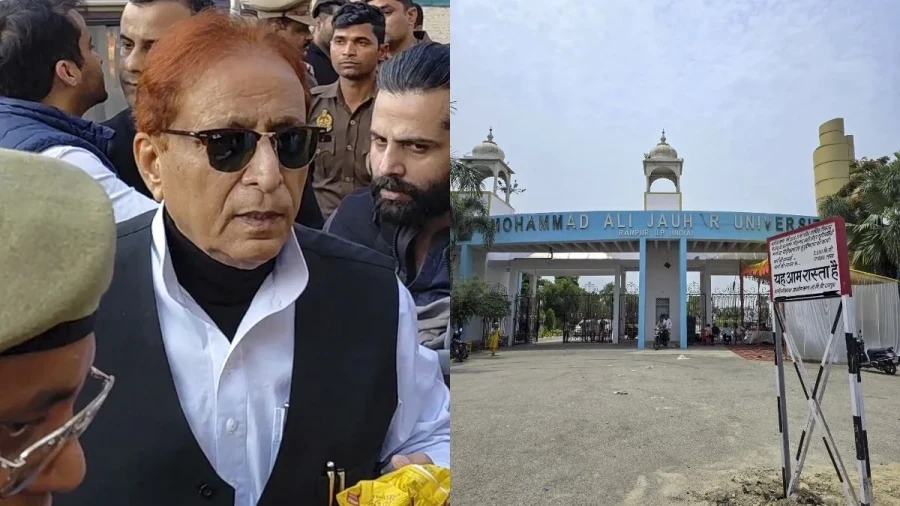
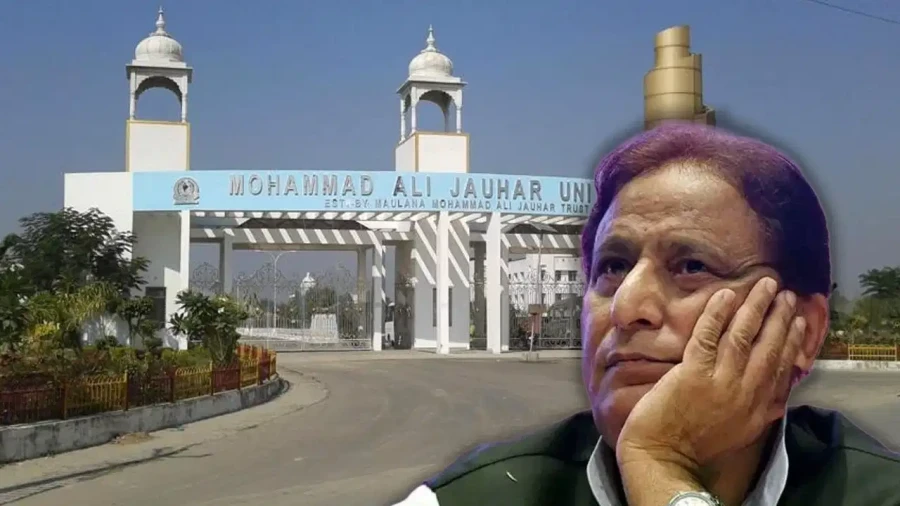
In a significant legal development that poses a major challenge to Samajwadi Party leader Azam Khan, the Rampur Development Authority (RDA) has issued a formal order for the demolition of 38 buildings within the Mohammad Ali Jauhar University campus. This decision comes after the authority concluded that these structures were constructed without the mandatory approval of building maps, rendering them illegal under the prevailing urban planning regulations. The action has been initiated under Section 27(1) of the Uttar Pradesh Urban Planning and Development Act, 1973, following a comprehensive investigation and multiple rounds of hearings that scrutinized the legality of the university's infrastructure.
The Investigation and Legal Proceedings
The District Magistrate of Rampur, Ajay Kumar Dwivedi, provided details regarding the administrative process that led to this demolition order. He stated that the district administration has been conducting a consistent campaign against unauthorized constructions across the region. The scrutiny of the Mohammad Ali Jauhar University campus began based on a detailed report submitted by the regional junior engineer. This report highlighted several discrepancies in the construction permits for various buildings on the site. Following the report, the university administration was served with a formal notice, providing them an opportunity to present their side of the case. The university submitted its written response on July 8, which was followed by a personal hearing on July 15. During this hearing, representatives from the university management, along with officials and legal counsel from the Rampur Development Authority, were present to discuss the findings and legal interpretations of the construction activities.
Arguments Presented by the University
During the course of the hearing, the university administration presented several arguments to defend the legality of the constructions. Their primary contention was based on the jurisdictional history of the land. They argued that Singankheda village, where the university is situated, wasn't part of the Rampur Development Authority's designated development area before September 27, 2024. Based on this premise, the university claimed that there was no requirement to obtain map approvals from the RDA at the time the buildings were constructed. Also, the university management asserted that most of the constructions are old and shouldn't be judged or declared illegal based on current regulatory frameworks or the subsequent expansion of the RDA's jurisdiction.
RDA Rejects University Claims
The Rampur Development Authority, however, didn't find merit in the arguments presented by the university. In its final order, the RDA clarified that even if Singankheda village was included in the development area at a later date, it was still mandatory for the university to obtain construction permission from the competent authority active at that time. Upon investigating the records obtained from the Zila Panchayat Rampur, it was discovered that only the maps for the Medical College building and the Academic Block had been duly approved. For the remaining 38 buildings, no valid approval or sanctioned maps were found in the official records. This lack of documentation led the authority to classify these structures as unauthorized and illegal.
Legal Basis for Demolition
DM Ajay Kumar Dwivedi emphasized that the university management was clearly aware of the necessity of obtaining approvals, as evidenced by the fact that they had sought and received permission for the Medical College and Academic Block from the Zila Panchayat. Despite this awareness, 38 other buildings were constructed without any formal approval. The RDA cited Section 59 of the Uttar Pradesh Urban Planning and Development Act, which empowers the authority to take action against illegal constructions even if the area was later brought under the jurisdiction of a development authority. The demolition order also noted that all legal arguments regarding the master plan, zonal plan, and various sections of the Act presented by the university were based on incorrect interpretations. The authority maintained that the validity of any building is strictly dependent on the construction approval obtained from the competent authority under the laws applicable at the time of construction.