
- India,
- 14-Jul-2026 08:33 AM IST



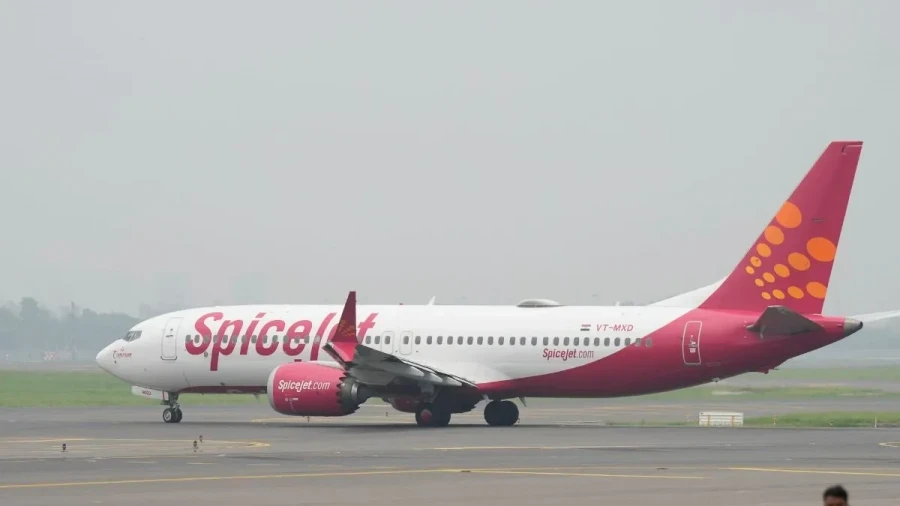
In a significant development for the Indian aviation sector, aircraft leasing companies have approached the Directorate General of Civil Aviation (DGCA) to deregister four Boeing 737-8 Max aircraft currently in the fleet of SpiceJet. This move comes at a time when the airline is grappling with various financial and operational challenges. The request for deregistration was initiated by Irish aircraft suppliers, marking a critical step in the recovery of assets by lessors.
Details of the Deregistration Request
The application for deregistration has been filed by Sky High LXXX Leasing Company Limited and Sky High LXXVII Leasing Company Limited, both based in Ireland. These companies have submitted their requests under the Irrevocable De-registration and Export Request Authorisation (IDERA) mechanism. The IDERA framework is a crucial provision that allows aircraft lessors to directly approach the aviation regulator to reclaim their aircraft in the event of a default or other contractual issues.
According to the reports, the four aircraft involved are Boeing 737-8 Max models. These planes have been part of SpiceJet's fleet but have faced prolonged grounding due to technical reasons. The lessors are now exercising their rights to take back these assets, which is a standard procedure in the global aviation leasing industry when certain conditions are met.
SpiceJet's Official Response
Responding to these developments, a spokesperson for SpiceJet clarified the airline's position, while the spokesperson stated that these four aircraft have been grounded for a long time due to manufacturing issues related to the High Pressure Turbine (HPT) of the engines. The airline emphasized that the deregistration of these specific planes would actually benefit the company by reducing the burden of lease rental payments.
"The deregistration of these aircraft will reduce the lease rental expenses for the airline. This won't have any impact on the airline's current operations," the spokesperson added. Despite the deregistration request, the airline mentioned that it remains in discussions with the suppliers and the Original Equipment Manufacturer (OEM) regarding the possibility of bringing these aircraft back into service in the future, although they're currently non-operational.
Current State of SpiceJet's Fleet
The situation highlights a deeper crisis within SpiceJet's operational capacity. Currently, a staggering 80 percent of the airline's fleet is grounded. Out of the total fleet size, only 11 aircraft are actively in service, while 42 aircraft are stationary and not participating in flight operations. As of Monday, the airline was operating only about 60 flights using barely 12 aircraft, reflecting a significant scale-down from its peak capacity.
The airline has been facing a series of legal and financial hurdles, which have impacted its ability to maintain a fully functional fleet. The grounding of such a large portion of its aircraft has led to a reduced flight schedule and has put pressure on the airline's market share and reliability.
Legal Framework and Recent Incidents
The move by the lessors is supported by a significant aviation bill passed by the Parliament last year. This legislation was designed to make it easier for global aircraft leasing companies to reclaim their jets and engines if an Indian airline fails to meet its payment obligations. This law aligns Indian aviation regulations with international standards, providing more security to lessors and potentially lowering leasing costs for stable airlines in the long run.
In addition to these fleet issues, SpiceJet has also been in the news for safety-related incidents. Recently, a SpiceJet aircraft experienced a tire burst at the Darbhanga airport in Bihar, adding to the concerns regarding the airline's operational maintenance. The combination of financial stress, fleet grounding, and safety incidents presents a challenging environment for the carrier as it navigates through these turbulent times.