
- India,
- 25-Jun-2026 03:40 PM IST



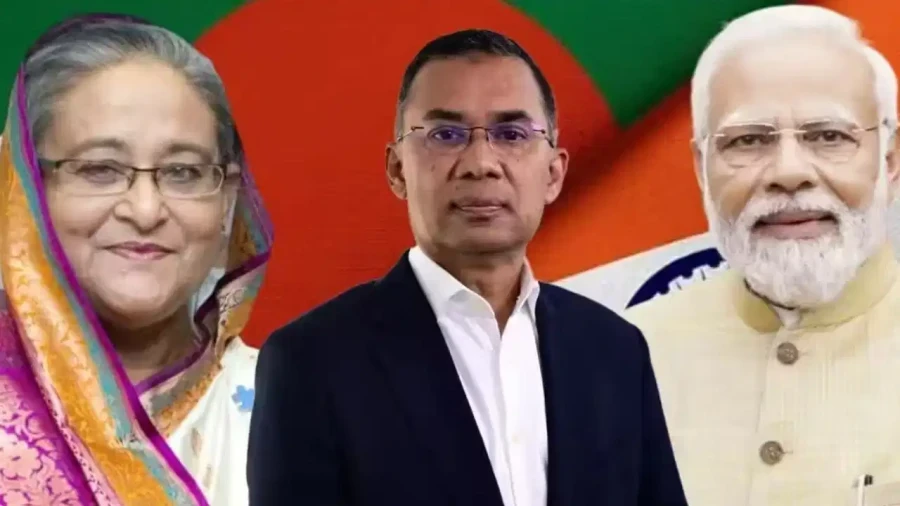
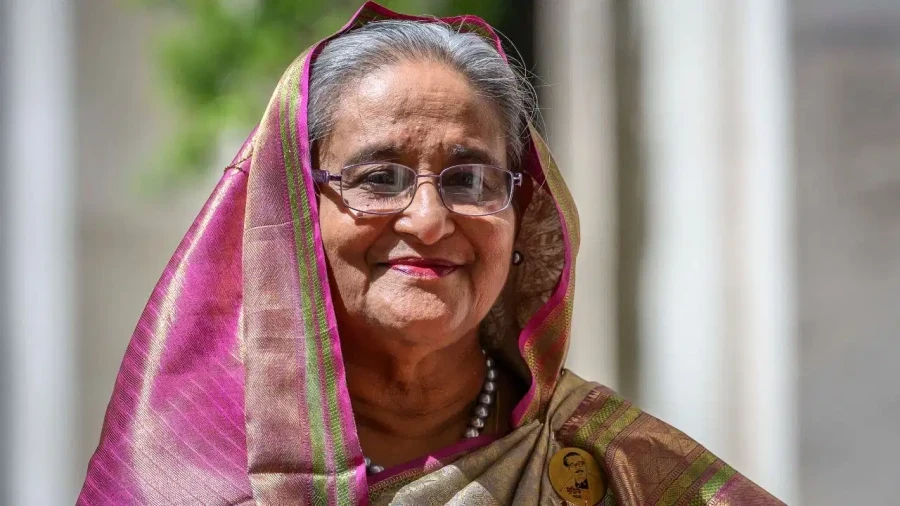
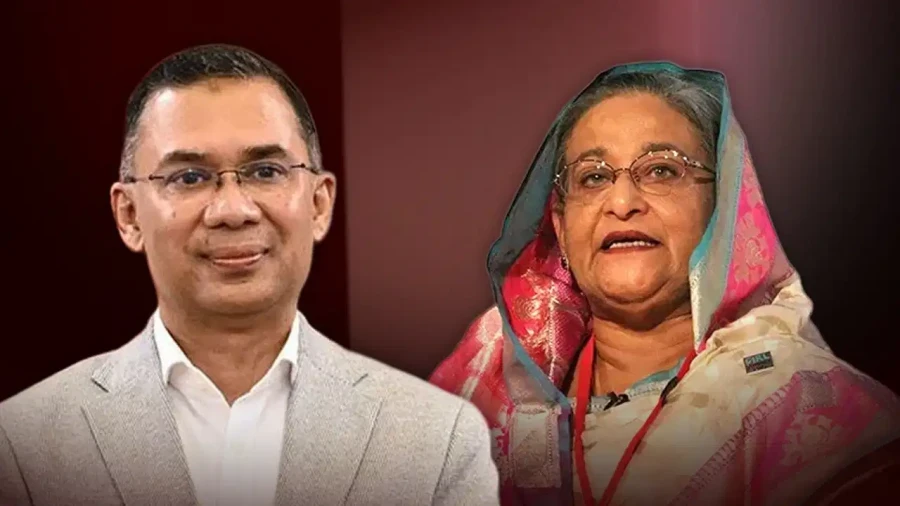
In a significant development within the political landscape of Bangladesh, leaders of the Awami League, the party headed by former Prime Minister Sheikh Hasina, have been granted a major reprieve. After a hiatus of two years following the dramatic political upheaval in August 2024, these leaders are now set to return to the electoral arena. The Election Commission of Bangladesh has officially announced that Awami League members will be permitted to contest the upcoming panchayat and local body elections. This decision comes as a pivotal moment for the party, which had faced severe restrictions and an official ban following the ousting of Sheikh Hasina from power.
Conditional Participation and the Affidavit Requirement
The permission granted by the Election Commission isn't absolute but comes with specific conditions. According to reports, including those from Bangladesh's Ajker Patrika, leaders of the Awami League (AL) who wish to participate in the elections must fulfill a mandatory legal requirement. They're required to file a formal affidavit declaring that they aren't associated with any banned or anti-national organizations. Only after the submission and verification of this affidavit will the nomination papers of these candidates be accepted by the commission, while this move is seen as a way to filter candidates while allowing the political process to become more inclusive ahead of the local polls.
Political Strategy and BNP's Stance
The decision to allow Awami League leaders back into the electoral fold is being viewed through a strategic lens. It's reported that a faction within the Bangladesh Nationalist Party (BNP) supports the idea of allowing the Awami League to contest. The BNP's strategy appears to be focused on encouraging leaders with a clean image from the Awami League to step forward. By doing so, the BNP hopes to see the Awami League split into two factions in the future. Despite the official ban on the party, the Election Commission's decision reflects a softening stance, partly influenced by the BNP's current political positioning. Observers have noted that Awami League leaders have been seen uniting on various occasions recently, prompting concerns among some that the party could regain its strength in Bangladesh.
Upcoming Electoral Timeline
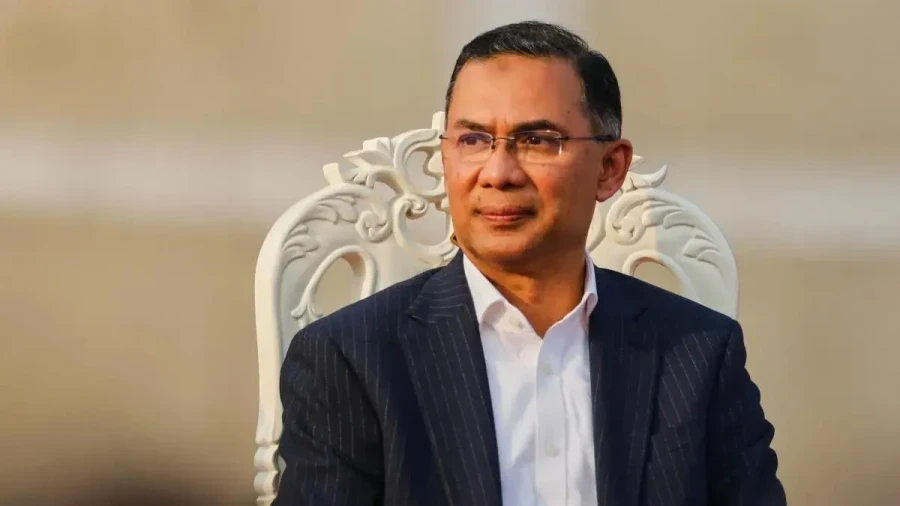
Bangladesh is preparing for panchayat elections scheduled for the end of this year. The Election Commission is also aiming to conduct local body elections simultaneously. Fakhrul Islam Alamgir, the minister in charge of panchayat and local body elections in Bangladesh, has stated that the government intends to complete the electoral process in all regions by the end of the year. This follows a period of significant political transition. In February 2026, general elections were held in which Tarique Rahman's party, the BNP, secured a landslide victory by winning 2/3rd of the seats. The Awami League was notably excluded from participating in those general elections due to the ban imposed by the interim government.
Background of the 2024 Coup
The current political situation traces back to August 2024, when a coup led to the ousting of Sheikh Hasina. Following her removal from power, an interim government was established under the leadership of Muhammad Yunus, while supporters of Sheikh Hasina have alleged that the coup was orchestrated at the behest of the United States. Since the coup, Sheikh Hasina has been residing in Delhi, India, while her political future remains a subject of intense speculation. The interim government led by Yunus had imposed a ban on the Awami League, which was the primary reason for the party's absence from the 2026 general elections. However, the latest move by the Election Commission suggests a shift in the administrative approach toward the party's grassroots leadership.