

- India,
- 10-Jan-2026 01:52 PM IST


A significant controversy has erupted in the cricketing world ahead of the T20 World Cup 2026, casting a shadow over the excitement surrounding the tournament, while this escalating dispute involves India and Bangladesh, originating from the Board of Control for Cricket in India's (BCCI) decision to exclude a Bangladeshi player from the Indian Premier League (IPL). Following this incident, the Bangladesh Cricket Board (BCB) has adopted a firm stance, outright refusing to send its team to India for the upcoming T20 World Cup. This unexpected decision has raised serious doubts about Bangladesh's participation in the World Cup, prompting both. The International Cricket Council (ICC) and the BCB to engage in efforts to resolve this complex issue.
The Genesis of the Dispute and BCB's Firm Stand
The root of this entire controversy lies in the BCCI's decision to exclude a Bangladeshi player from the IPL. The Bangladesh Cricket Board took this step seriously and responded with a major decision. The BCB has refused to send its team to India for the T20 World Cup 2026, which is one of the host nations for the tournament, while the board has also demanded that the ICC arrange all of Bangladesh's matches in Sri Lanka instead of India. The BCB has cited security concerns for its players in India as the reason behind its decision, although detailed information regarding these concerns has not yet been made public. This situation has transcended the cricket field, evolving into a diplomatic challenge where the ICC is striving hard to persuade and convince the Bangladeshi board. While no immediate resolution to this dispute has been found, its impact on Bangladeshi players is clearly visible, and these concerns are now coming to light.
Psychological Impact of the Dispute on Players
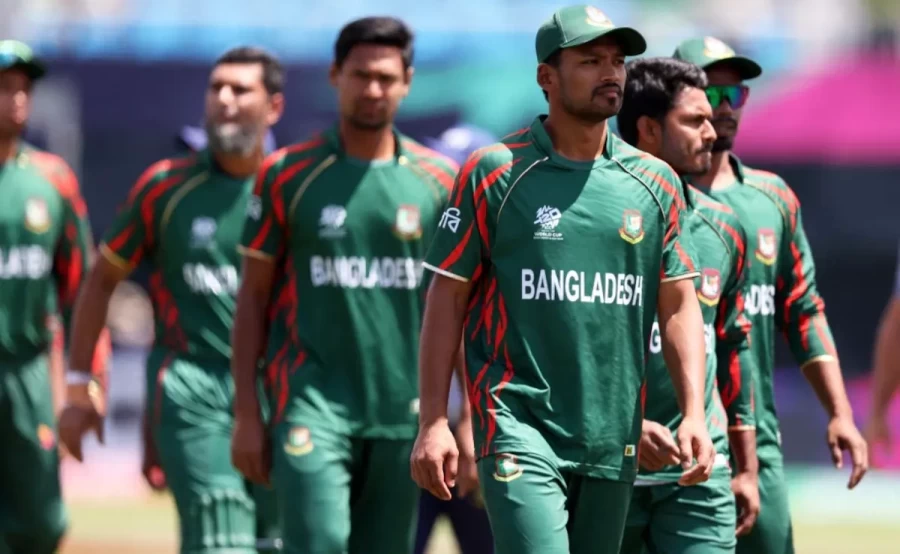
Najmul Hossain Shanto, the Test captain of the Bangladesh cricket team, has acknowledged the profound psychological impact of this dispute on the players. Speaking to the media, Shanto revealed that before major tournaments, especially the World Cup, something or the other often happens that directly affects the team's performance and the players' mental state. He referred to Bangladesh's World Cup performances, stating that the team has never played consistently good cricket. Shanto cited last year's performance as an example, noting that the team played reasonably well but had better opportunities that they failed to capitalize on. He specifically emphasized that the occurrence of such controversies right before the World Cup has become a recurring pattern, and. Based on his three World Cup experiences, he can definitively say that these incidents have a negative impact on the players. This statement indicates that external disputes, even if not directly related to the game, can severely affect players' concentration and performance capabilities.
The 'Acting' Facade and Internal Conflict
Shanto further elaborated on his point, making a surprising revelation. He openly admitted that players often wear a kind of mask, pretending that these controversies don't affect them. Shanto stated, "Now we pretend as if it doesn't matter to us because we're professional cricketers. You all understand that we're just acting, it's not easy. Players try their best to divert their attention from all this and give their all for the team, but it's better that such things don't happen, while " This candid admission highlights the immense pressure professional athletes face to maintain a composed exterior, even when grappling with significant external issues. The internal conflict between their true feelings and the need to project an image of indifference can be mentally taxing, potentially diverting valuable mental energy that could otherwise be focused on their game. This 'acting' is a coping mechanism, but it underscores the deep-seated impact of the ongoing dispute on the players' well-being and their ability to perform at their peak, while it suggests that while they might appear unaffected, the underlying stress and distraction are very real, making it challenging to achieve the consistency Shanto mentioned earlier.
Tamim Iqbal's Strong Criticism and Long-Term Concerns
Adding another layer to the controversy, Bangladesh cricket's most successful. Batsman and former captain, Tamim Iqbal, has also raised serious concerns. While Shanto acknowledged the impact on players, Tamim Iqbal went further, criticizing the approach of the board and the government, deeming it detrimental to the country's cricket. Tamim stated that making emotional decisions now, which could affect Bangladesh cricket for the next 10 years, isn't correct, while his comments suggest a deep apprehension about the long-term consequences of the BCB's current stance, implying that hasty decisions driven by emotion rather than strategic foresight could have lasting negative repercussions on the sport's development and standing in Bangladesh. He warned against short-sighted actions that might jeopardize the future of Bangladeshi cricket, emphasizing the need for a more measured and rational approach to such critical matters. Tamim's perspective, coming from a veteran player, carries significant weight and underscores the gravity of the situation.
Financial Implications and ICC Dependency
Tamim Iqbal also offered crucial advice to the BCB, reminding the board of its significant financial dependency on the international body. He pointed out that approximately 90 percent of the board's earnings come from the ICC, while this statement serves as a stark reminder of the financial realities of international cricket and the potential risks associated with antagonizing the global governing body. Jeopardizing this crucial revenue stream could have severe implications for Bangladesh cricket, affecting everything from grassroots development programs and domestic leagues to player salaries and infrastructure improvements. Tamim's counsel highlights the need for the BCB to consider these financial aspects carefully, as a strained relationship with the ICC could lead to a significant reduction in funding, thereby crippling the sport's progress in the country for years to come, while such a financial setback could hinder player development, reduce opportunities for international exposure, and ultimately diminish Bangladesh's competitive edge on the global stage, aligning with his concern about a decade-long impact.
Uncertainty and the Road Ahead
The dispute remains unresolved, with the ICC actively working to convince the Bangladeshi board to reconsider its decision. The situation presents a significant challenge for all parties involved, while for the ICC, it's about ensuring the smooth conduct of a major global tournament and maintaining cordial relations among member nations. For the BCB, it's a test of its resolve and its ability to balance national interests with international cricketing obligations. For the players, it's a period of uncertainty and mental strain, as highlighted by Captain Shanto.
The prospect of Bangladesh not participating in the T20 World Cup would be a major blow to the tournament and to the aspirations of the Bangladeshi team and its fans. The ongoing negotiations are critical, and the outcome will undoubtedly shape the future trajectory of Bangladesh cricket and its relationship with the international cricketing community. A swift and amicable resolution is paramount to ensure that the focus returns to the. Sport itself, allowing players to concentrate on their performance without the burden of external controversies.
