

- India,
- 23-Aug-2025 07:20 PM IST


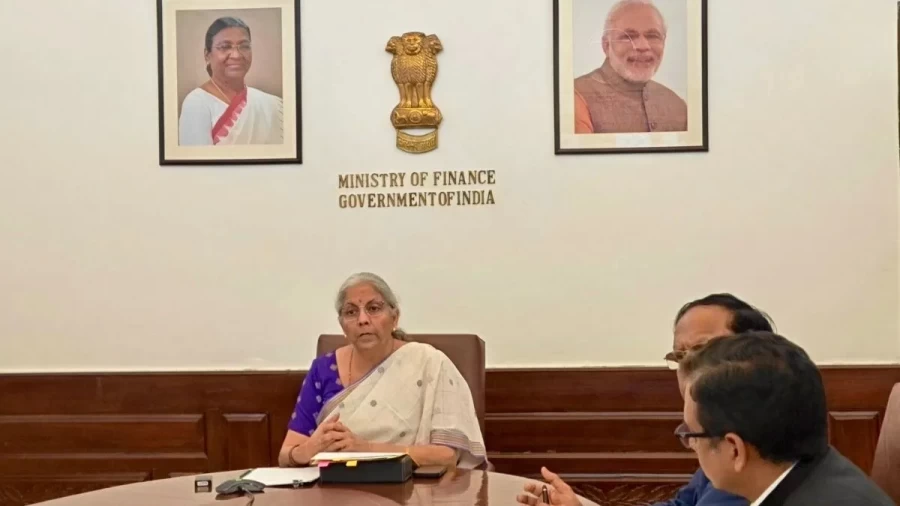
GST Council Meeting: Major changes are expected in the existing structure of Goods and Services Tax (GST) in the two-day meeting of the GST Council to be held on 3 and 4 September 2025 in New Delhi. The meeting, to be chaired by Union Finance Minister Nirmala Sitharaman, will discuss the proposal to reduce the existing four slabs of GST (5%, 12%, 18%, and 28%) to two slabs (5% and 18%). The GST Council, which comprises the Finance Ministers of the Center and all the States and Union Territories, is the apex body to take policy decisions related to GST.
Recommendations of the Group of Ministers will be the center of discussion
According to the office memorandum issued by the GST Council Secretariat, the meeting will have an in-depth discussion on the recommendations of the Groups of Ministers (GoM) constituted on rationalization of GST tax rates, compensation cess, and health and life insurance premium. Recently, the Group of Ministers has agreed in principle to the two-slab proposal of the Central Government. The Centre has suggested that GST be levied at 5% on ‘merit’ category products and services and 18% on ‘standard’ category products and services. Additionally, there is a proposal to create a special slab with a rate of 40% for luxury and harmful products.
Current GST structure and proposed changes
GST has been in force in India since July 1, 2017, which currently consists of four slabs (5%, 12%, 18%, and 28%) and additional cess on some products. Prime Minister Narendra Modi had announced a comprehensive reform of the GST structure in his Independence Day 2025 address, which is targeted to be implemented by Diwali. If the proposed two-slab structure is implemented, the prices of many goods and services related to everyday needs may come down. For example, products like entry-level cars, TVs, and air conditioners may become cheaper, providing relief to consumers.
Possible impact of GST reforms
The implementation of a two-slab system will simplify the tax structure, benefiting both traders and consumers. Lower slabs will increase transparency in the tax system and ease compliance. Also, lower tax rates on essential commodities may increase the purchasing power of the general public. However, the proposed 40% slab on luxury and harmful products may increase the prices of these goods, which is aimed at maintaining revenue balance.
