
- India,
- 26-Aug-2026 03:19 PM IST



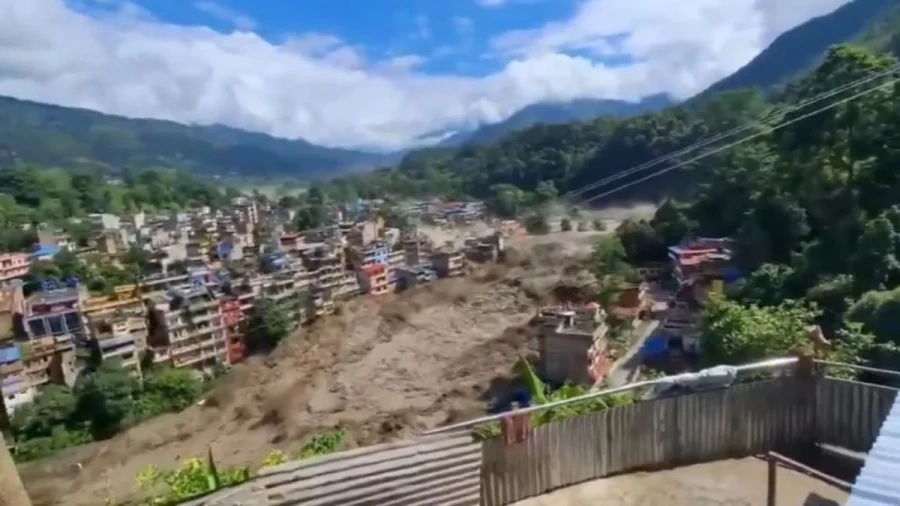
The state of Bihar has been placed on high alert following reports of a massive flash flood in the upper catchment areas of the Gandak river situated in Nepal. This sudden surge in the river's water flow has raised significant concerns about a potential flood crisis in the downstream regions of Bihar, while according to official assessments, there is a high probability of a flash flood wave rising up to 3 meters in height, which could lead to a rapid increase in water levels across the Gandak river basin. The state administration has immediately swung into action to mitigate the risks and ensure the safety of the population residing in the vulnerable districts.
High Level Review and Administrative Directives
In response to the developing situation, a high-level review meeting was convened under the chairmanship of Chief Secretary Pratyaya Amrit. The meeting, conducted via video conferencing, saw the participation of District Magistrates and senior police officials, including Superintendents of Police from the concerned districts. During the session, the Chief Secretary reviewed the current status of the river levels and the preparedness of the local administrations, while he issued strict instructions to all related districts to remain on high alert and to finalize all necessary rescue and relief arrangements without any delay. The focus of the meeting was to ensure a coordinated response between various departments to handle any sudden influx of water.
Districts Under Special Vigilance
Specific instructions for heightened vigilance have been issued to districts directly connected to the Gandak river, while these include West Champaran (Bettiah), East Champaran (Motihari), Gopalganj, Saran, Muzaffarpur, and Vaishali. Plus, the administration is also keeping a close watch on Sitamarhi, Sheohar, and other sensitive districts that might be impacted by the changing hydrological conditions. District Magistrates have been directed to maintain a constant vigil on the water levels of the rivers, the stability of embankments, and the condition of low-lying areas, while special attention is being paid to bridges, culverts, and other critical infrastructure that could be at risk during a flash flood. The authorities have been tasked with providing timely alerts to the local population to prevent any loss of life.
Operational Management of Barrages and Canals
The Water Resources Department has been instructed to take proactive measures regarding the management of the Gandak Barrage. Directives have been issued to operate all gates of the barrage and to channel water into the connected canals. This strategy is aimed at ensuring the safe and effective management of the available water flow, thereby reducing the pressure on the main river channel. Engineers from the Water Resources Department have been ordered to maintain continuous monitoring in their respective jurisdictions and to ensure the integrity of the embankments through regular inspections. Any signs of weakness or potential breach are to be addressed immediately to prevent flooding of residential and agricultural lands.
Deployment of NDRF and SDRF Teams
To tackle any emergency situation, the state has initiated the deployment of the National Disaster Response Force (NDRF) and the State Disaster Response Force (SDRF), while specifically, one NDRF team has been ordered to move to Gopalganj, while another team will be kept on standby in Muzaffarpur to respond to any urgent requirements. On top of that, instructions have been given to station an NDRF team in Bettiah. The DIG of the Sashastra Seema Bal (SSB) has also assured the provision of Quick Reaction Teams (QRT) and other necessary assistance, which will be available in Bettiah to support the local administration in rescue operations if the situation demands.
Evacuation Plans and Relief Infrastructure
District Magistrates have been tasked with finalizing comprehensive evacuation plans for the population residing in potentially affected areas. This includes ensuring the availability of an adequate number of boats for transport and rescue. The administration is also setting up community kitchens and temporary shelters to provide food and lodging for those who may need to be relocated. The directive emphasizes that people should be moved to safer locations well in advance of the rising water levels. The goal is to have all logistical support ready so that the transition to shelters is smooth and organized.
Public Communication and Rumor Control
The state government has appealed to the citizens not to panic, assuring them that the administration is fully alert and all necessary resources and rescue teams are being prepared in advance. While there is no need for alarm, citizens are encouraged to remain prepared for a potential flood situation and to follow official information and instructions issued by the administration. To prevent the spread of misinformation, District Magistrates have been directed to conduct daily media briefings and to maintain a constant watch on social media platforms. Citizens are urged to rely only on official and reliable sources for updates and to ignore rumors that could cause unnecessary distress.
Origin of the Crisis in Tibet and Nepal
The current threat stems from a severe flash flood that originated on the Tibet side, causing significant destruction in the Rasuwa district of Nepal, particularly in the Timure Bazar area. The flooding in the Lende Khola (Bhotekoshi) has resulted in large-scale damage at the Rasuwa border crossing, while this surge from the upper reaches is now making its way into the Gandak river system, necessitating the high state of readiness in Bihar. All departments, including District Administration, Police, Disaster Management, and Water Resources, are working in close coordination to monitor the situation and protect critical structures and embankments across the state.