
- India,
- 12-Sep-2026 07:35 PM IST



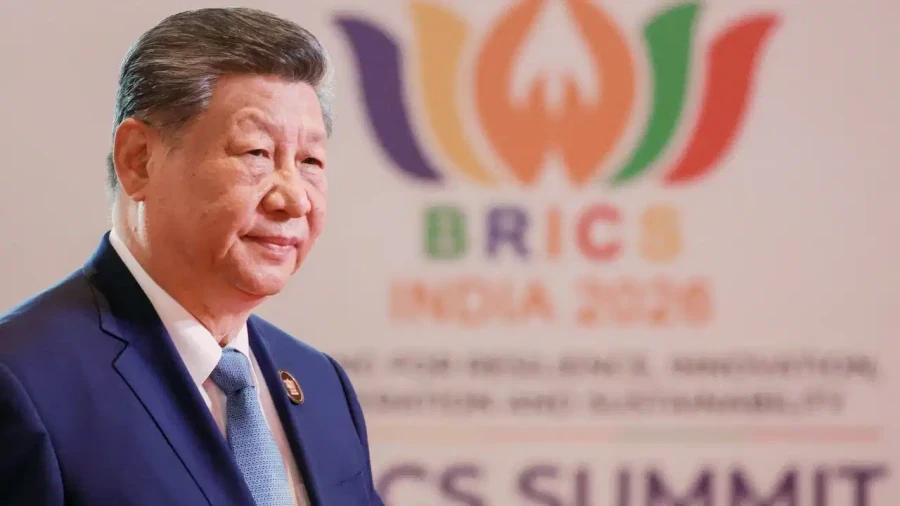
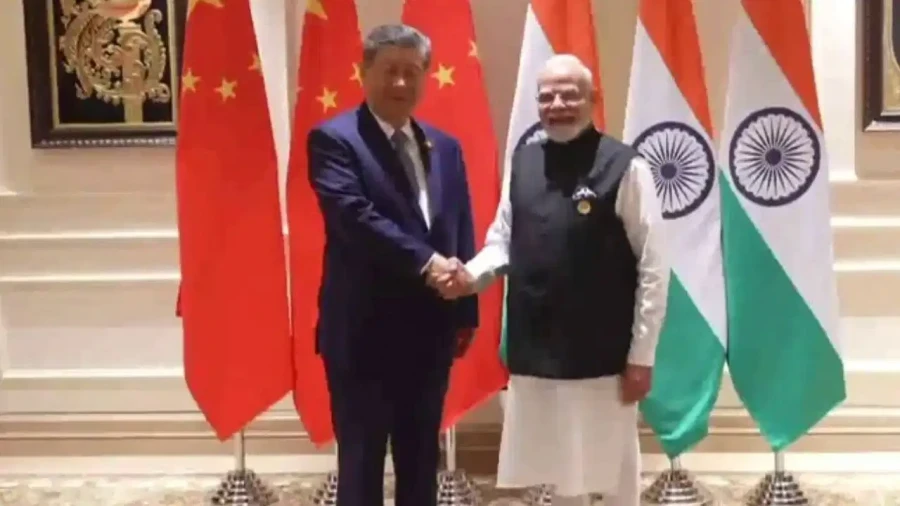
On the sidelines of the BRICS Summit 2026, a significant diplomatic engagement took place as Prime Minister Narendra Modi held a bilateral meeting with Chinese President Xi Jinping. This meeting is viewed as a pivotal moment in the relationship between the two neighboring giants. During the discussions, President Xi Jinping expressed a forward-looking vision, stating that India and China possess the potential to learn extensively from each other's inherent strengths. He emphasized that such mutual learning could pave the way for achieving shared development goals, benefiting both nations and the broader international community.
Prime Minister Modi Welcomes President Xi
Prime Minister Narendra Modi expressed his sincere happiness regarding the presence of President Xi Jinping at the summit. Addressing the Chinese leader, PM Modi conveyed his gratitude for the positive contributions made by the President during the BRICS proceedings, while he specifically thanked President Xi for the support and cooperation extended by China during India's tenure as the BRICS chair. PM Modi noted that the current setting provided a valuable opportunity for both leaders to engage in detailed discussions regarding bilateral cooperation, aiming to strengthen the ties that bind the two most populous nations in the world.
Xi Jinping Emphasizes Mutual Growth
According to reports from Reuters, citing the official news agency Xinhua, President Xi Jinping urged that China and India should work together to promote better cooperation among BRICS nations. President Xi expressed his delight in meeting Prime Minister Modi once again and congratulated him on the successful hosting of the summit. He pointed out that this visit to New Delhi was his first in 5 years. Reflecting on their diplomatic history, Xi mentioned that they've met more than 20 times in the past, reaching important consensuses that have promoted the overall development of China-India relations.
Strategic and Long-term Perspective
President Xi Jinping stated that China always views and develops China-India relations from a strategic and long-term perspective, while he acknowledged that while the national conditions of the two countries are different, they can still take full advantage of each other's strengths. By supporting one another, both nations can achieve mutual success and move forward in the direction of shared development. He highlighted that as the two most populous countries in the world and key members of the Global South, China and India carry significant responsibilities in the face of a changing and volatile international situation.
Commitment to Global Stability
The Chinese President expressed readiness to work closely with the Indian side, while he advocated for high-quality cooperation between major neighboring countries, keeping in mind human progress and the well-being of the people. Xi emphasized the need to promote an equal and orderly multipolar world and inclusive economic globalization, while this cooperation is intended to provide more positive energy for world peace, stability, development, and prosperity. The meeting is considered crucial as both India and China have sought to stabilize bilateral relations following border tensions in recent years, with both leaders aiming to maintain peace and stability at the border.
Reflections on 20 Years of BRICS
Earlier, during a significant speech at the summit, President Xi Jinping noted that this year marks the 20th anniversary of BRICS cooperation. He remarked that over the past two decades, the BRICS cooperation mechanism has grown and developed continuously, showing tremendous vitality. It has become the most influential cooperation platform for emerging markets and developing countries in the world today. Xi described these 20 years as a period of self-reliance and strength, where BRICS countries have actively explored development paths suited to their national conditions, becoming a model of joint self-reliance.
Addressing Global Challenges
President Xi emphasized that the world is currently undergoing deep changes, described as changes unseen in a century. While the Global South is growing rapidly, there is also a rise in unilateralism and power politics. He noted that attacks on multilateralism and the international order are increasing, leading to gaps in peace, development, security, and governance. He urged BRICS countries to stand firmly on the right side of history, steering the international order in a more just and equitable direction, while he concluded by calling for collective efforts to build a community with a shared future for humanity.