

- India,
- 30-Jan-2026 08:55 AM IST


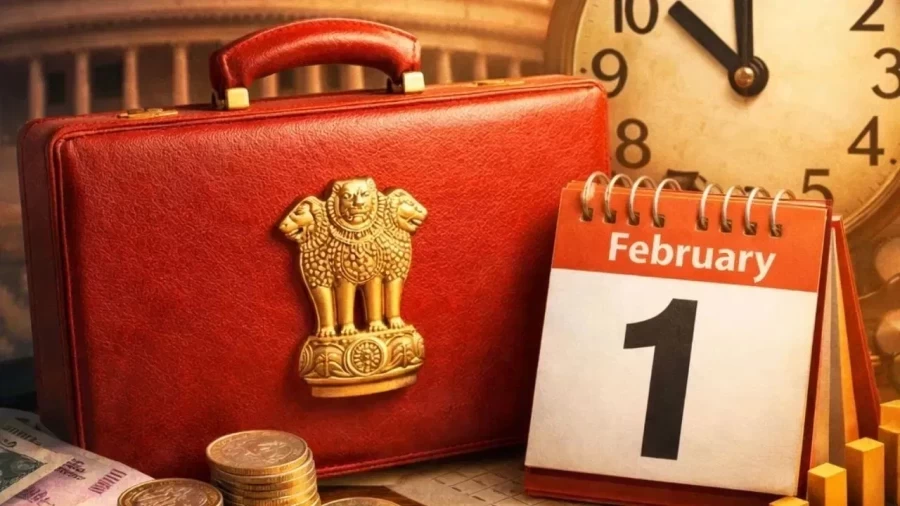
Finance Minister Nirmala Sitharaman is set to present the Union Budget. 2026 on February 1, following the release of the Economic Survey. The survey has set a cautious yet optimistic tone for. The Indian economy, projecting a GDP growth rate of 6. 8% to 7, while 2% for the fiscal year 2026-27. While this is a slight moderation from the previous year's 7. 4%, it reflects India's resilience amidst global economic shifts and trade uncertainties.
Fiscal Discipline and Economic Outlook
One of the most critical aspects of this budget will be the fiscal deficit target. Rating agency ICRA suggests that the government might aim for a fiscal deficit of 4. 3% of the GDP. This move is expected to maintain macroeconomic stability while allowing for necessary capital expenditure. The Economic Survey also highlighted the importance of trade deals, particularly with the US, which could redefine the landscape for Indian exporters in the textile and technology sectors.
Income Tax and the Common Man
The salaried class is eagerly awaiting announcements regarding income tax slabs, while there is a strong demand for increasing the standard deduction limit and providing more benefits under the new tax regime to boost disposable income. Investors are also looking for relief in Securities Transaction Tax (STT) and a rationalization of Capital Gains Tax to encourage long-term participation in the equity markets.
Boosting Manufacturing and MSMEs
The MSME sector, which contributes Importantly to India's employment, is hoping for easier access to credit and simplified compliance norms. Industry experts expect the government to expand the scope of the Export Promotion Mission and provide interest subvention schemes for small exporters. Strengthening the 'Make in India' initiative through PLI schemes for more sectors could also be a major highlight of Budget 2026.
The Green Energy Push and EV Revolution
India's commitment to net-zero emissions will likely translate into significant allocations for the renewable energy sector, while expectations include lower duties on components for solar power and automation technologies. For the Electric Vehicle (EV) industry, stakeholders are pushing for the continuation of subsidies and a uniform 5% GST on all EV components to make green mobility more affordable for the masses.
Healthcare, Education, and Agriculture
The social sector is expected to receive a substantial boost. In healthcare, the focus might shift towards strengthening primary health centers and specialized care for women, while in education, the integration of AI and digital tools in classrooms is a key demand. For the agricultural sector, the government may announce measures to empower Farmer. Producer Organizations (FPOs) and improve cold storage logistics to reduce post-harvest losses.
