

- India,
- 06-Jan-2026 01:22 PM IST


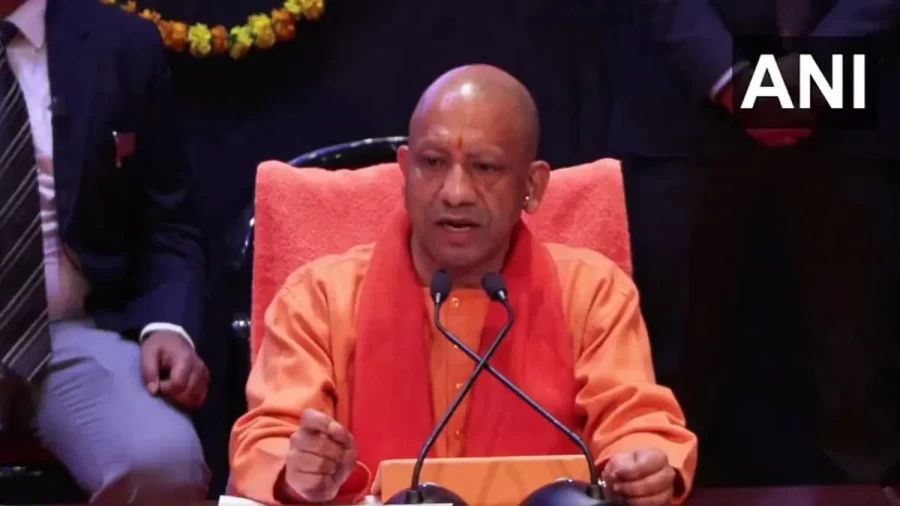
CM Yogi Adityanath, during a significant press conference held in Lucknow, made a powerful declaration regarding the newly introduced 'जी राम जी' law, hailing it as a pivotal milestone for the rural development of India. In his address, the Chief Minister not only underscored the transformative potential of this legislation but also launched a sharp critique against the Congress party and the broader INDI alliance, accusing them of obstructing national progress and perpetuating corruption. His remarks set a clear tone, emphasizing the government's commitment to grassroots development as a cornerstone for achieving a 'Viksit Bharat' (Developed India).
The 'जी राम जी' Law: A Catalyst for Rural Transformation
Chief Minister Yogi Adityanath articulated with conviction that the 'जी राम जी' law isn't merely another piece of legislation but a foundational pillar designed to revolutionize India's rural landscape. He stressed that this act is specifically crafted to address the long-standing challenges faced by rural. Communities, aiming to foster sustainable growth and uplift the socio-economic status of millions residing in villages. The Chief Minister highlighted that the law's provisions are expected to strengthen the rural economy Notably, paving the way for greater self-reliance among farmers and ensuring that laborers receive due social security and respect. This comprehensive approach, he believes, is essential for creating strong and vibrant rural ecosystems that can contribute meaningfully to the national economy.
Critique of the Opposition's Stance on Development
During his address, CM Yogi Adityanath didn't shy away from directly confronting the opposition, particularly the Congress and the INDI alliance, for their perceived resistance to progressive policies like the 'जी राम जी' law, while he asserted that certain factions within the country have historically engaged in practices that amounted to "robbing the nation's resources" over extended periods. According to the Chief Minister, these are precisely the entities that are. Now vociferously opposing a law designed to bring transparency and equitable development. He suggested that their opposition isn't rooted in genuine concern for the public but. Rather in a desire to maintain a system that allowed for corruption and personal gain.
Allegations of Past Misgovernance and Corruption
The Chief Minister further elaborated on his accusations against the Congress and the INDI alliance, painting a picture of systemic misgovernance and corruption during their previous tenures, while he specifically cited instances where "fake job cards" were allegedly created and "fake attendance" was recorded, indicating widespread fraud in public welfare schemes. CM Yogi used a poignant analogy to describe the inefficiency and wastefulness of past administrations, stating that "they would dig pits and then fill them back up. " This metaphor powerfully conveyed his belief that their actions were often unproductive, serving only to siphon off public funds rather than genuinely contribute to development. He argued that the current opposition's discomfort with the 'जी राम जी' law stems from the. Fact that it directly threatens the corrupt practices and vested interests that thrived under their watch.
Vision for a Developed India Rooted in Rural Prosperity
CM Yogi Adityanath meticulously outlined his vision for how the 'जी राम जी' Act is integral to achieving the ambitious goal of a 'Viksit Bharat', while he emphasized that the journey towards a developed India is inextricably linked to the development of its individual states. Crucially, he added that the progress of states, in turn, is contingent upon the solid development of their most fundamental units: the villages. The Chief Minister articulated that true national progress can only be realized when the rural economy is fortified, when farmers are empowered to achieve self-sufficiency, and when laborers are afforded both social security and the dignity they deserve. He concluded his address by warmly welcoming the new legislation and extended his heartfelt gratitude to the Prime Minister on behalf of the people of Uttar Pradesh, recognizing the act as a significant step forward for the nation.
