

- India,
- 30-Nov-2025 08:40 AM IST


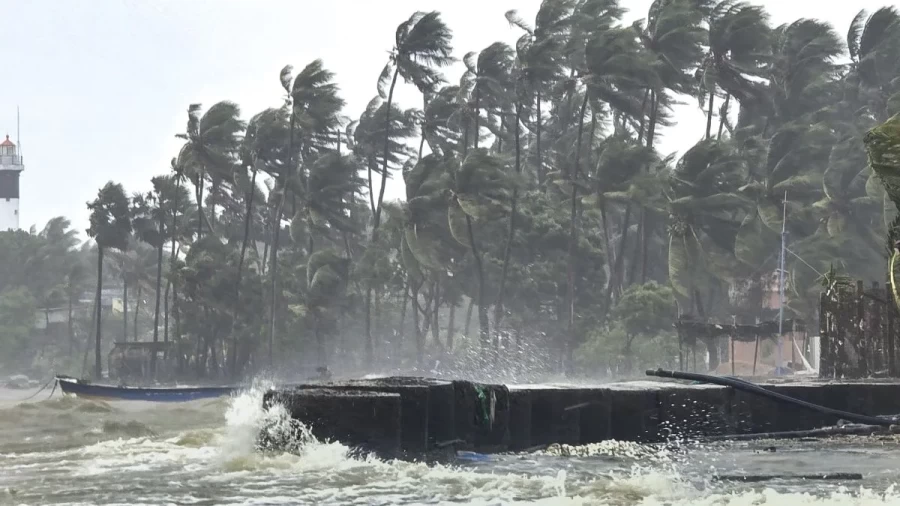
Cyclone Ditwah, a powerful cyclonic storm, has left a trail of destruction in Sri Lanka, resulting in the tragic loss of over 150 lives and leaving many more missing. Following its devastating impact on the island nation, the cyclone is now rapidly advancing towards the Indian coastline, raising significant concerns among authorities and residents in the southern states. The Indian Meteorological Department (IMD) has issued a comprehensive alert, urging preparedness and caution as the storm approaches.
Ditwah's Imminent Threat to India
After wreaking havoc in Sri Lanka, Cyclone Ditwah is now poised to make landfall on the Indian subcontinent. According to the Meteorological Department's latest forecasts, the cyclone is expected to cross the coasts of North Tamil Nadu, Puducherry, and South Andhra Pradesh at any moment today. In anticipation of this severe weather event, a total of 14 teams from the National Disaster Response Force (NDRF) have been strategically deployed across the vulnerable regions. These teams are on high alert, ready to undertake rescue and relief operations, aiming to minimize potential damage and provide immediate assistance to affected populations. Continuous monitoring of the cyclone's trajectory and intensity is underway to facilitate timely responses and precautionary measures.
Current Status and Path of the Cyclone
As of 11:30 PM on November 29, 2025, Cyclone Ditwah was centered over the Southwest Bay of Bengal, adjacent to the North Tamil Nadu-Puducherry coasts, while its precise location was near latitude 10. 7°N and longitude 80. 6°E. The storm was approximately 90 kilometers east-northeast of Vedharanyam, 90 kilometers east-southeast of Karaikal, 130 kilometers north-northeast of Jaffna (Sri Lanka), 160 kilometers south-southeast of Puducherry, and 260 kilometers south of Chennai, while over the preceding six hours, Cyclone Ditwah had moved almost northward at a speed of about 5 kilometers per hour. This relatively slow but steady movement is a cause for concern for coastal areas, as it. Could prolong the period of impact, leading to extended exposure to strong winds and heavy rainfall.
Estimated Arrival in India
According to the IMD's predictions, Cyclone Ditwah is likely to continue its northward movement, running parallel to the coasts of North Tamil Nadu and Puducherry over the next 24 hours. It's anticipated that by the morning and evening of November 30, the cyclonic storm will be centered over the Southwest Bay of Bengal, at a minimum distance of 50 kilometers and 25 kilometers from the Tamil Nadu and Puducherry coasts, respectively. This close proximity indicates a high probability of severe weather conditions, including strong. Winds, torrential rains, and high tidal waves, particularly affecting fishermen and coastal communities. Local administrations have initiated preparations for evacuating residents from low-lying areas to safer shelters, emphasizing the need for extreme caution and adherence to official advisories.
Indians Stranded at Colombo Airport
Adding to the complexities of the situation, the aftermath of Cyclone Ditwah has also led to significant disruption in Colombo, Sri Lanka, while kerala Chief Minister Pinarayi Vijayan has penned a letter to External Affairs Minister S. Jaishankar, offering the state government's full support to assist Indian citizens stranded in Sri Lanka due to the cyclone. In his letter, CM Vijayan highlighted the severe disarray at Bandaranaike International Airport in Colombo, which has resulted in approximately 300 Indian passengers being stranded, while many of these passengers are reportedly residents of Kerala. The Chief Minister expressed grave concern over their plight, noting that these individuals have been stranded for the past three days without adequate food, water, or basic amenities, while the Kerala government has reiterated its readiness to provide all necessary assistance to these distressed individuals, underscoring the broader humanitarian implications of the cyclone beyond its direct environmental impact on infrastructure and international travel.
