

- India,
- 13-Mar-2026 09:32 PM IST


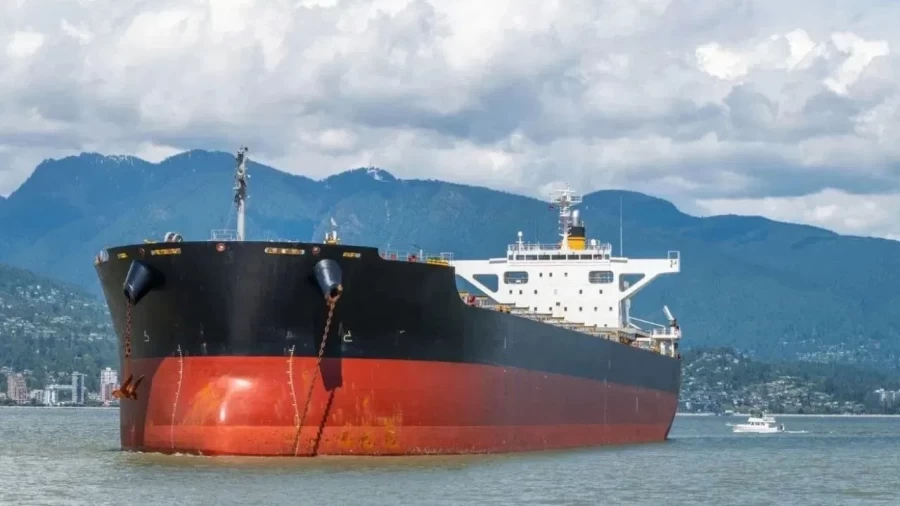
In a significant diplomatic development, Iran has assured India of safe passage for its vessels through the Strait of Hormuz, a critical global maritime corridor. The Iranian Ambassador to India, Mohammad Fathali, confirmed that despite the escalating tensions in West Asia involving Iran, Israel, and the United States, India remains a priority partner. This assurance comes at a time when maritime security in the Persian Gulf has become a global concern due to ongoing military posturing. According to Ambassador Fathali, the interests of India and Iran are aligned, and both nations are working toward ensuring the continuity of trade and regional stability.
Official Assurance from the Iranian Ambassador
Speaking to reporters in New Delhi, Ambassador Mohammad Fathali stated that India is a trusted friend of Iran. When questioned about the safety of Indian shipping movements through the Strait of Hormuz, he provided a definitive assurance. The Ambassador indicated that positive developments regarding this strategic access would be visible within a very short timeframe. He noted that the Iranian leadership has issued specific instructions to facilitate cooperation between the governments of India and Iran. This move is seen as a proactive step to insulate bilateral trade from the volatile geopolitical situation currently unfolding in the Middle East.
Strategic Convergence of Interests between New Delhi and Tehran
Ambassador Fathali emphasized that the strategic interests of Iran and India in the region are identical. He highlighted that both nations share a common vision for security in the Persian Gulf and the Indian Ocean. According to the envoy, the cooperation between the two countries is built on a foundation of mutual trust and shared beliefs. He mentioned that the Iranian government is committed to removing obstacles in various sectors to enhance bilateral ties. The Ambassador's remarks suggest that the partnership extends beyond mere trade, encompassing a broader strategic understanding of regional challenges and the necessity of maintaining open sea lanes.
High-Level Diplomatic Engagement: Modi and Pezeshkian
The Ambassador also touched upon the recent communication between Indian Prime Minister Narendra Modi and Iranian President Masoud Pezeshkian, while he described their dialogue as highly constructive, noting that both leaders are committed to exerting their best efforts to strengthen the relationship. While Iran has stated its desire to avoid war, it has also maintained its readiness to defend its interests if necessary. The discussions between PM Modi and President Pezeshkian are viewed as a cornerstone for the current assurance of safe passage, reflecting the high-level diplomatic coordination between New Delhi and Tehran amidst global uncertainty.
Significance of the Strait of Hormuz for Global Trade
The Strait of Hormuz is one of the world's most vital oil transit chokepoints, connecting the Persian Gulf with the Gulf of Oman and the Arabian Sea. Approximately 20% of the world's total oil consumption passes through this narrow waterway daily. For India, the strait is indispensable as it serves as the primary route for energy imports from major suppliers in the Middle East, while any disruption in this corridor could lead to a surge in global energy prices and supply chain bottlenecks. Iran's assurance to provide safe passage to Indian vessels is Because of this a critical development for India's economic stability and energy security.
Iran's Stance on Regional Conflict and Diplomacy
Addressing the broader regional context, Ambassador Fathali clarified Iran's position on the ongoing conflicts, while he stated that while Iran had previously engaged in talks with the United States, those negotiations were unfortunately interrupted. He reiterated that Iran doesn't seek war but remains prepared for any eventuality. The envoy's statements underscore Iran's effort to maintain strong ties with key Asian powers like India while navigating complex relations with Western nations. This diplomatic outreach to India is interpreted as a strategic move to ensure that regional volatility doesn't adversely affect long-standing bilateral partnerships and essential maritime commerce.
